58° and Partly Cloudy



Image
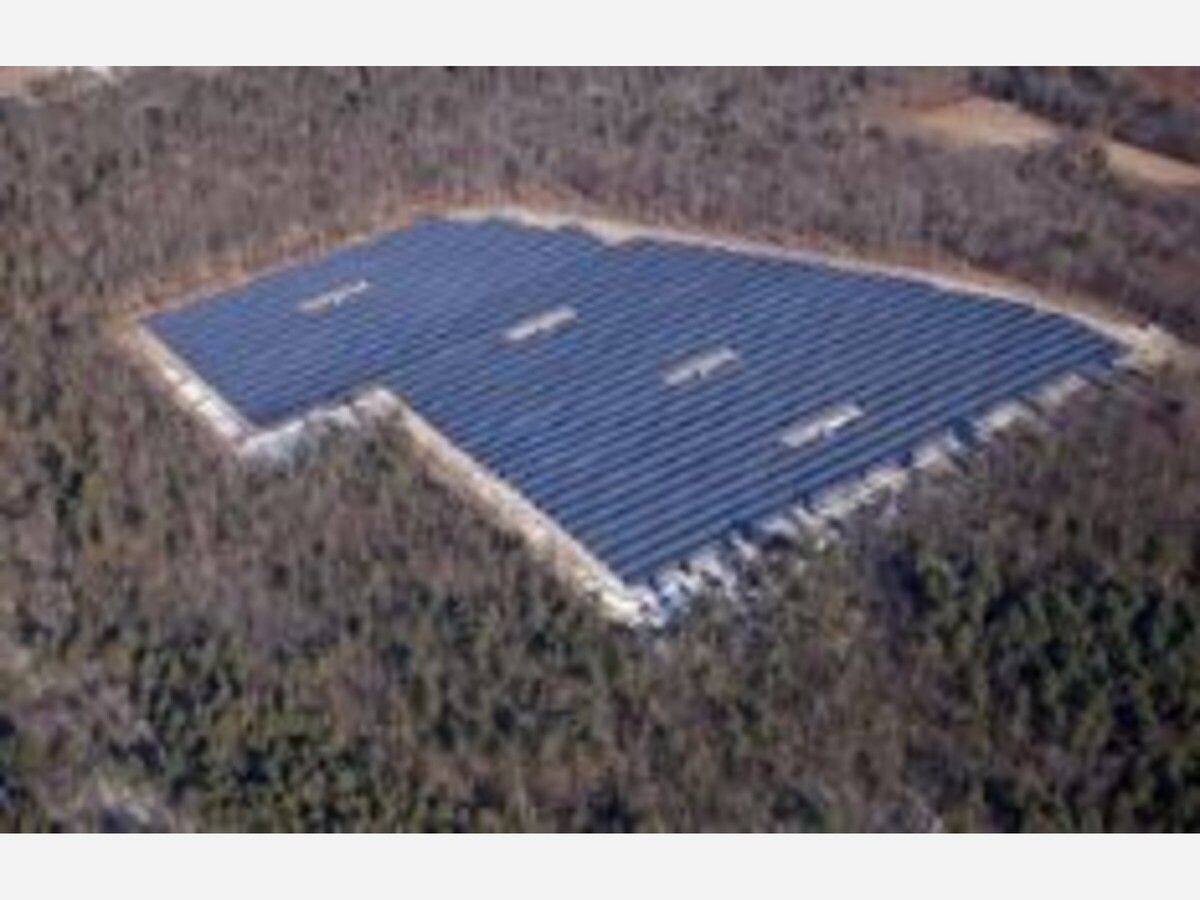
Above, Mount Saint Mary's Solar II
Governor Maura Healey today signed an Executive Order creating the Commission on Clean Energy Infrastructure Siting and Permitting (CEISP), aimed at rolling back local opposition and red tape, and swore in Commission members, including State Rep. Jeff Roy and Sen. Barret, co-chairs of the Joint Committee for Telecommunications, Utilities, and Energy.
To meet the emissions limits outlined in the Clean Energy and Climate Plans (CECP), Massachusetts will need to site a significant amount of new energy infrastructure, including new solar and wind generation, storage, transmission, and distribution infrastructure. The CEISP brings together stakeholders to swiftly remove barriers to `responsible' clean energy infrastructure development.
“The clean energy transition can’t wait,” said Governor Healey. “This commission represents our administration’s efforts to bring people together and build consensus to tackle one of the most complex issues of our time. We are looking forward to receiving a strong slate of recommendations that will deliver clean, affordable energy to our communities and all the economic growth that will come with it.”
“The clean energy transition is going to transform our communities,” said Lieutenant Governor Kim Driscoll. “We’re going to need a lot of new infrastructure, and we’re going to need it fast. With these stakeholders at the table, we’re going to build serious consensus on how to tackle this challenge in a way that ensures environmental justice communities don’t bear a disproportionate burden, greenspace and other development priorities are protected, and we can all share in the benefits of clean energy.”
“We’re thrilled to have a robust and diverse group of leaders to lead the Commission on Clean Energy Infrastructure Siting and Permitting,” said Energy and Environmental Affairs Secretary Rebecca Tepper. “We worked intentionally to ensure that we would have representation from every sector of the clean energy space – from labor, to environmental justice leaders, to energy experts. With these members leading this effort, we are confident that the recommendations will be smart, balanced, and ready for action.”
The CEISP will be tasked with reducing permitting timelines, ensuring communities have input in the siting and permitting of clean energy infrastructure, and ensuring that the benefits of the clean energy transition are shared equitably. Secretary Tepper will order every relevant agency housed within the Executive Office of Energy and Environmental Affairs to evaluate existing permitting processes impacting energy infrastructure and identify potential areas of improvement. The Commission will also be instructed to make recommendations on administrative, regulatory, and legislative changes to existing permitting and siting procedures by Spring 2024.
Those appointed to the Commission include:
State Agencies
Municipalities
Environmental Justice Organizations
Climate, Environmental, and Land Use Advocates
Electric Utilities
Agricultural Interests
Tribal Organization
Youth Climate Council Representative
Energy Siting Practitioner
Clean Energy Industry
Housing and Real Estate
Labor
Chairs of the Joint Committee Telecommunications, Utilities, and Energy (Non-Voting Members). According to a source close to the process, both the legislators and others agreed their role would be better kept to an advisory one.


Patchy rain nearby, with a high of 76 and low of 48 degrees. Sunny during the morning, clear overnight.