25° and Clear



Image
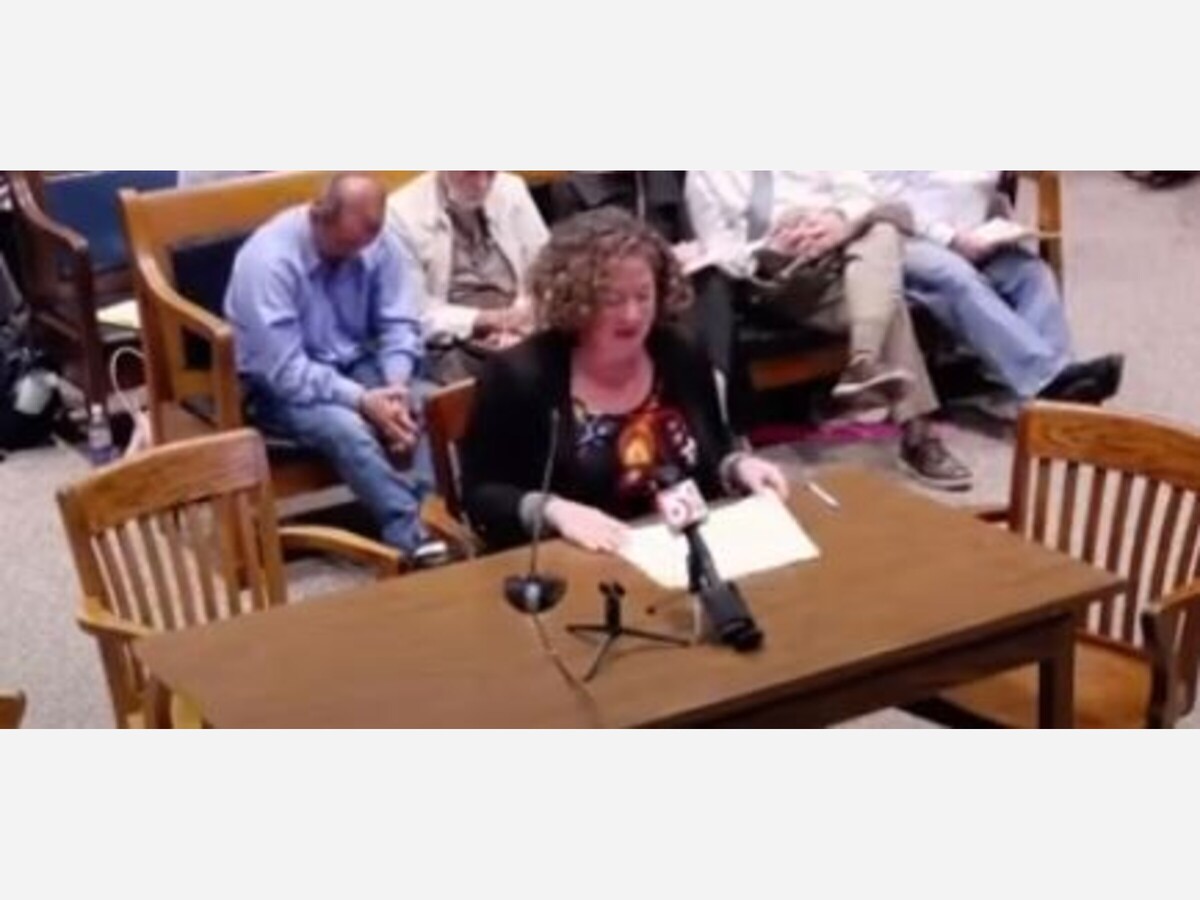
Above, Senator Rausch testifying on Sept. 12.
Beacon Hill has been a hotbed of new ideas in recent years. Some of those ideas are particularly new and to some, shocking. An example is Bill S. 1110, ` An Act Supporting Consenting Young Adults,’ that proposes to let children as young as 13 consent to sexual relations with another person. To be sure, there are some ‘conditions’ in the language of the proposed bill – broadly that the consent is given to someone of a similar age -- but even with that concession, many parents locally and statewide have expressed serious concern about the legislation, sponsored by Franklin’s Senator, Rebecca L. Rausch, and Senator Jack Patrick Lewis.
In testimony supporting bill S. 1110 (Docket SD 1017), Rausch went before the Joint Committee on the Judiciary on September 12 and testified, in part, “According to DESE, more than one-third of Massachusetts high school students report having engaged in sexual intercourse.
"However, under current law, if a 16-year-old and a 15-year-old have a consensual sexual relationship, the older youth could be subject to arrest, incarceration and possible listing on a sex offender registry for engaging in these consensual acts. These penalties as we all know carry very serious consequences including severely limiting a young person's future ability to obtain higher education, housing and employment. Our law as it currently stands is archaic, and does not reflect the current realities for our youth. If all teenagers who violated this provision were prosecuted, the number would be quite staggering. This bill addresses this problem by updating our current statutory rape law to provide a very narrow, carefully tailored exception to criminal prosecution for youth who engage in consensual sexual conduct with others of a similar age, there are three distinct changes that the bill would make. First, it would create an exception to prosecutions for indecent assault and battery for youth who are 13 years old if the defendant is no more than two years older than the minor. Second would create an exception for prosecutions based on consensual intercourse with a minor for youth ages 13 to 15.”
The third element, in the proposed legislation,would be ensuring that such matters are handled in a juvenile court.
Rausch’s rapid-fire testimony had wrapped up when she received a question from a panelist who asked her if she really meant the legislation to apply to 13-year-olds, to which Rausch replied in the affirmative. Then the questioner added, “So, what you're saying is a 13-year-old has the wherewithal to understand what they're consenting to and the potential consequences of that interaction?”
Rausch replied, “Some 13 year olds I've seen, just in my anecdotal experience, have had a great wealth of maturity.”
With that the testimony ended, but the bill will presumably inch ahead as things do on Beacon Hill.
Meanwhile, another Massachusetts Senator was proposing to provide greater access to medical marijuana for Massachusetts High School students. a bill proposed by Senator Susan Moran, who represents the Plymouth and Barnstable district, S. 59 would allow students access to prescription cannabis at school. The proposed language reads as follows:
An Act to allow students access to prescription cannabis.
Be it enacted by the Senate and House of Representatives in General Court assembled, and by the authority of the same, as follows:
Section 2 of chapter 94G of the General Laws, as appearing in the 2020 Official Edition, is hereby amended by inserting, after the word “facility”, in line 41, the following:-
“; provided, however, that this paragraph shall not apply to possession or consumption of medical use marijuana as defined in chapter 94I; or (4) authorize the possession or consumption of marijuana or marijuana accessories”.
Wikipedia notes that ‘The use of cannabis as medicine has not been rigorously tested due to production and governmental restrictions, resulting in limited clinical research to define the safety and efficacy of using cannabis to treat disease.’’ And, for similar reasons the American Academy of Pediatrics has continued to oppose legalization.


Light snow, with a high of 33 and low of 20 degrees. Light snow in the morning, moderate snow in the afternoon, clear in the evening, light freezing rain overnight.