59° and Partly Cloudy



Image
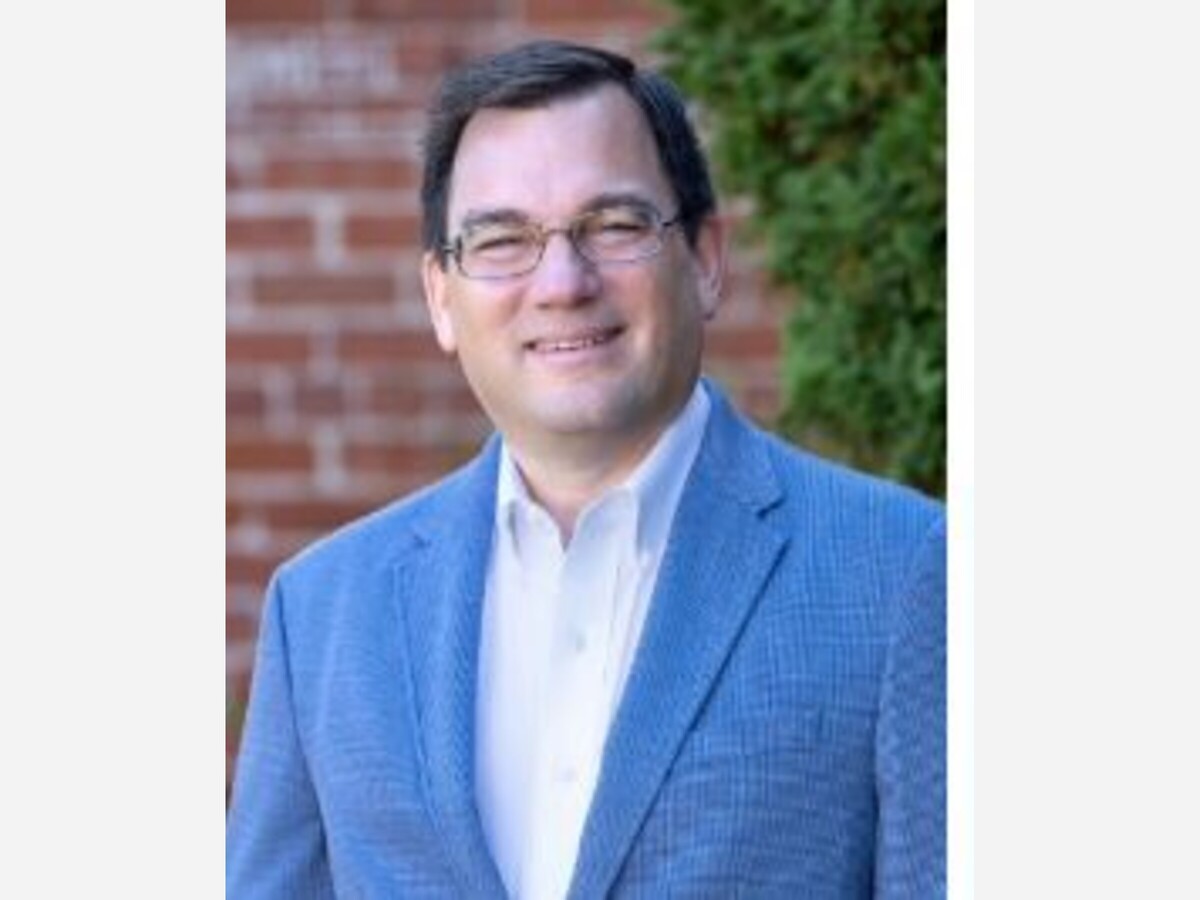
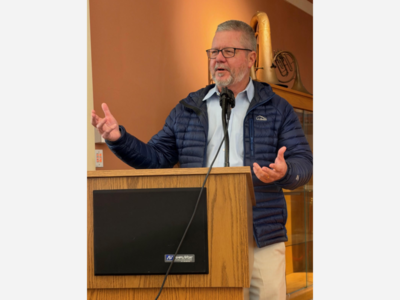
Today we continue postings dedicated to the Franklin Town Council election. We contacted all 15 candidates by email and asked each of them the same questions and also asked for a response on our proposed “pledge.” [Could you also include whether you would support/agree to the Pledge we have proposed? (see: https://franklinobserver.town.news/g/franklin-town-ma/n/335372/editoria… ). Five candidates responded by the Oct.4 deadline: Jane Callaway-Tripp, Caroline Griffith, Stephen Malloy, Joe McGann, and Max Morongiello, were presented a few days ago. Over the weekend, we shared three additional candidate submissions, namely Ken Ojukwu, Tom Mercer, and Gene Grella. Today we hear from Town Council Candidate Michael LeBlanc.
Briefly discuss ‘who you are’ in no more than 150 words.
I have spent the last 35 years right here in Franklin. It is where I built my life, raised my family, and formed friendships that have lasted decades. And over those years, I have watched Franklin change—sometimes gradually, sometimes rapidly—but always with the potential to become something better.
I bring a wealth of experience in managing complex financial and operational matters across both public and private sectors. My involvement with the Town of Franklin spans several years, beginning in the early 2000s when I served on the Finance Committee, including as Chairman. From 2005 to 2007, I was honored to serve on the Franklin Town Council, and I also contributed as a member of the Franklin High School Building Committee.
Briefly state why you are running for TC and why someone should vote for you (75 words max)
Right now times are tough, and Franklin residents feel it every day. That is why we need leaders who listen—who truly represent the people they serve. I am running to be that voice that represents YOU. To make sure every tax dollar is spent wisely, to protect what makes Franklin special, while embracing smart, balanced progress.
TOWN COUNCIL SPECIFIC QUESTIONS
1. Personal Impact of Tax Increases
We’ve heard arguments for and against a tax override, including what’s needed to maintain current services and suggestions to ask for even more. My question is:
How would a tax increase affect you personally and financially?
Would the increase be manageable for you, a financial strain, or have no impact?
A tax increase may be manageable for me personally, but I know that is not true for everyone in our community. I am deeply aware that many residents could feel a real financial strain from any increase in taxes. The next Town Council’s decisions must reflect not only fiscal responsibility, but also compassion and fairness.
2. New Growth and Affordable Housing
A) What is your position on new growth in Franklin, in particular with regard to the town accepting of encouraging more so-called affordable housing?
In order for Franklin to continue providing the services we value like public safety, public works, our library, senior center, and more, we must encourage smart growth. But that growth must align with three key principles: it must be smart, thoughtful, and guided by a long-term vision for the town.
While we need more housing, we need the right kind of housing, primarily owner-occupied homes. Smaller homes on smaller lots generate more tax revenue per unit than apartments and often place less strain on the school system.
I've proposed cluster neighborhoods as a solution: higher-density single-family homes that preserve the town’s rural character by maintaining open fields, trees, and natural landscapes. Downtown, we should also encourage mixed-use development that combines residential and commercial space that again aligns with smart growth principles.
B) How do you view the role of affordable housing in our town’s future—both its benefits and its challenges?
When I talk about affordable housing, I am not referring solely to income-restricted or subsidized units. My definition of affordable housing focuses on owner-occupied, single-family homes that are reasonably priced for the average dual-income household. They are homes that can be purchased through a traditional mortgage without special qualifications.
This kind of housing is critical for maintaining a balanced, sustainable community. It allows young families to put down roots, helps retain longtime residents looking to downsize, and ensures that people who work in our town, teachers, first responders, small business owners, can also live here.
The challenge is finding ways to encourage this type of development while preserving the character of our town. That’s why I support cluster neighborhoods and smaller homes on smaller lots that offer a path to affordability without sacrificing open space or overwhelming town services.
Ultimately, housing affordability must be part of a broader conversation about smart growth, infrastructure, schools, and long-term planning. It is not about building more for the sake of numbers; it is about building the right kind of homes that strengthen our community.
3. Senior Center and Revenue Shortfalls
The Town Administrator has projected potential closures—including the Senior Center—if revenue doesn’t increase. What is your position on closing the Senior Center?
I do not support closing the Senior Center. If we are facing serious revenue shortfalls, we must look at all options—but closing the Senior Center should be a last resort.
4. Rebuilding Trust and a Sense of Community
Franklin is divided. Many residents have expressed frustration with each other and mistrust in town leadership. If elected (or re-elected), how would you work to rebuild trust and help mend the divide in our community?
The next Town Council needs to bring the community together by leading with respect, listen with intention, and focus on our community’s shared values. I will make it a priority to create time and space for open, civil discussion where people feel heard, even when we disagree. I will engage with residents and always aim to find common ground where possible. It’s not about winning arguments—it's about solving problems together.
5. Budget Deficit and Future Overrides
We are facing a budget deficit, and two override attempts have failed.
How would you approach this challenge going forward?
We must manage expenses responsibly just like we do in our own households. One of the largest line items in the town’s budget is salaries. After honoring current contractual obligations, I believe we should hold remaining salaries flat or allow only modest increases. Any future contracts need to have the same level of review in their increases.
Likewise, any expense rising faster than inflation should be subject to close scrutiny. We must ask why, and whether it is justified.
6. What other initiatives or directions do you believe the town should undertake to address its fiscal problems?
Downtown Revitalization: A vibrant, active downtown brings life to the heart of our community. I want to work closely with property owners, developers, and business leaders to identify redevelopment opportunities like mixed-use buildings with businesses on the ground floor and residential units above. These types of projects activate our streets, support local commerce, and help create a lively, walkable town center where people want to live, work, and spend time.
Economic Development: Continue to attract new businesses and explore ways to support existing ones.
Shared Services: Explore opportunities to share resources not only withing the Town and School budgets but look to outside communities to see if there are opportunities for sharing resources.
Land Review: I believe it is important to conduct a comprehensive review of all town-owned property to determine each parcel’s long-term value and potential use. This review should include assessing whether properties are best suited for future municipal needs, preservation, recreation, affordable housing, or other strategic purposes. Once that review is complete, we should identify parcels that hold no long-term benefit to the town and develop a responsible process for their disposition. This could include selling or leasing surplus land in a way that aligns with community goals, generates revenue, or supports smart development—while ensuring full transparency and public input.

Sunny, with a high of 61 and low of 36 degrees. Overcast in the morning, clear for the afternoon and evening,