

Image
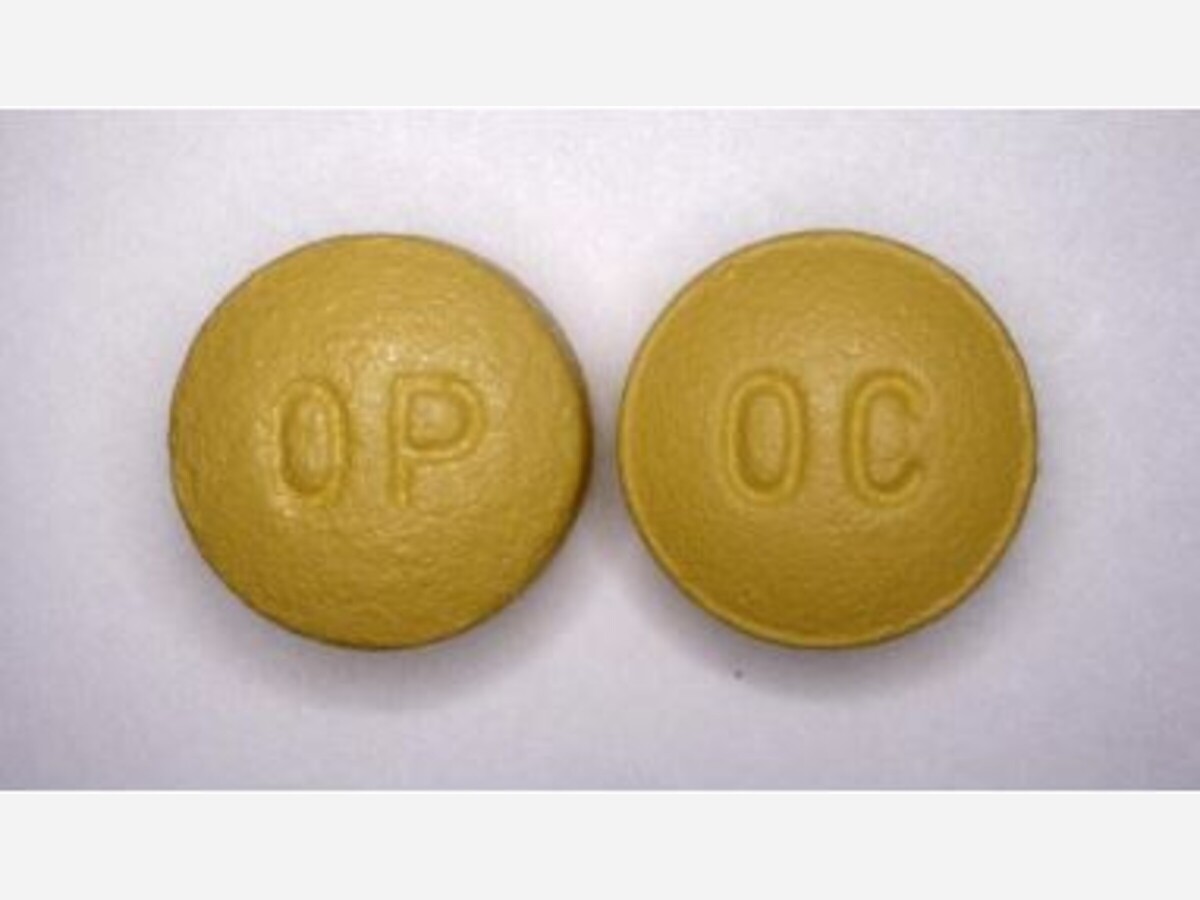
Above, Oxycontin tablets, a form of opioid. (DEA image)
The Healey-Driscoll Administration today announced $1.25 million in matching grants to 18 municipalities and community-based organizations in areas disproportionately impacted by the overdose crisis. Locally, SAFE Coalition, is among those receiving funds.
The latest round of funding is part of the Mosaic Opioid Recovery Partnership (Mosaic), an initiative designed to help cities and towns expand prevention, harm reduction, treatment and recovery efforts in ways that reflect the needs of their communities. Massachusetts is using statewide opioid settlement funds to support this work, ensuring resources reach communities most affected by the crisis.
"The Mosaic Municipal Matching Grant program emphasizes community, collaboration, and meeting individuals where they are,” said Health and Human Services Secretary Kiame Mahaniah, MD. “By encouraging cities and towns to work together, pool resources, and prioritize the involvement of persons with lived and living experience, these grants are designed to support efforts and initiatives that are community-led and culturally responsive.”
The Mosaic program was developed in 2024 between the Massachusetts Department of Public Health’s (DPH) Bureau of Substance Addiction Services and RIZE Massachusetts to increase access to funding for smaller community-based organizations and municipalities.
An initial round of one-year matching grants totaling nearly $1.5 million was awarded in 2025.
Communities had the option to apply for funding directly, partner with a nonprofit organization, or collaborate and pool funding with other municipalities. The one-year grants, which range from $5,000 to $150,000, will fund initiatives focusing on at least one of the following areas: prevention, harm reduction, access to care, recovery, trauma, grief, and family supports.
Respective municipalities will earmark a matching portion of their previously distributed opioid settlement funds to the proposed initiative. RIZE will provide grantees with technical assistance and learning opportunities tailored to their specific needs to strengthen their organizations and develop sustainability.
“These grants offer a unique opportunity to build and support municipalities’ capacity to address the overdose crisis through non-punitive, health-centered approaches,” said Public Health Commissioner Robbie Goldstein, MD, PhD. “They also represent an ongoing commitment to investing in strategies to address the impacts of opioids that are data-informed, evidence-based, and that center the needs of the communities, families, and individuals who have been deeply impacted by this crisis.”
New to this round of the grant program, municipalities could choose between two project tracks based on their current stage of opioid abatement spending. The first track supports municipalities in early stages of planning, including designing, implementing, and evaluating abatement strategies that are responsive to the needs of their communities. The second track will support those municipalities that have already established strategies in place and are working to start, expand, or continue their efforts.
“This program continues to adapt to the needs of communities as well as to the needs of those municipalities and organizations that are engaged in abatement efforts,” said Deirdre Calvert, Director of DPH’s Bureau of Substance Addiction Services. “Our ability to meet individuals and communities where they are is strengthened by our efforts to provide tailored support to those who are developing and expanding programs and initiatives to serve those communities most impacted.”
“Mosaic’s Municipal Matching Grant program demonstrates what is attainable when communities come together,” said Julie Burns, President and CEO of RIZE Massachusetts Foundation. “By building partnerships locally and across city and town lines, the grantees are advancing new responses to the overdose crisis that reflect the realities on the ground. This is the promise of Mosaic in action: connecting strategies, places, and people to drive lasting change statewide.”
RIZE will conduct one additional round of Municipal Matching Grant awards in 2027, awarding a total of $4 million in matching grants over the program’s three years.
Grant awardees:
The Opioid Recovery and Remediation Fund (ORRF) was established in 2020 to receive and administer funds from certain legal settlements relating to allegations brought against companies in connection with the opioid crisis. Over the next 18 years, Massachusetts anticipates receiving $1 billion through the settlements and is using it for substance use prevention, harm reduction, treatment, and recovery. Of this funding, 40 percent is allocated to municipalities, and 60 percent is directly allocated to ORRF.


Sunny, with a high of 87 and low of 60 degrees. Sunny during the morning, clear for the afternoon and evening,