52° and Light rain



Image
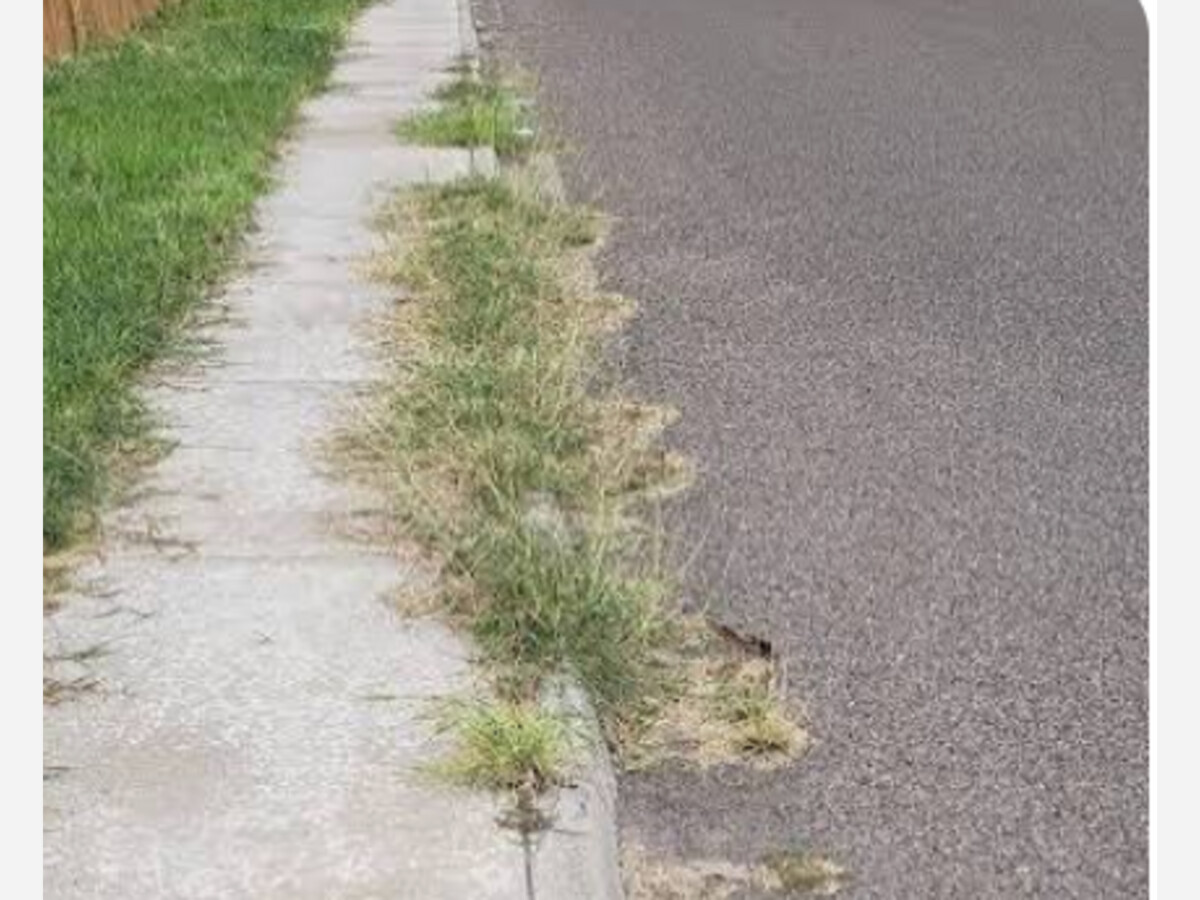
If you've ever wondered why that crack in your local parking lot turned into a full-blown pothole seemingly overnight, the culprit might not be traffic or age — most likely it's the be weeds.
Across the Northeast, uncontrolled weeds and invasive plants are chewing through municipal infrastructure faster than most cities realize, and the region's brutal freeze-thaw winters inevitably make the problem worse.
In Franklin, one of the "Make the Public Suffer" measures implemented after a recent tax over-ride vote failed, was municipal weed suppression. A relatively cheap program designed to preserve and protect the town's investments was eliminated, leaving weeds to grow and multiply unchecked. And that's a path that could create millions of dollars in costs in coming years.
How a Weed Becomes a Wrecking Ball
It starts small. A windblown seed lands in a hairline crack in the pavement — crabgrass, plantain, prostrate knotweed, it doesn't matter which. As it germinates, its roots push outward, prying that crack open wider.
From there, things snowball. Root systems act almost like underground sponges, trapping moisture beneath the asphalt instead of letting it drain away naturally. Then winter arrives. That trapped water freezes, expanding by roughly 9 percent — and because the roots already widened the gap, the ice has nowhere to go but out, shattering the asphalt around it. The result: alligator cracking and potholes, practically on a timer.
The Worst Offender: Japanese Knotweed
Not all weeds are created equal. Japanese knotweed stands out as public enemy number one for infrastructure — its rhizomes can burrow up to 10 feet deep and spread 20+ feet horizontally, often pushing straight through even a few inches of asphalt. It's strong enough to split road seams and lift concrete sidewalk sections.
Where the Damage Shows Up
Roads: Weeds tend to attack the seam where asphalt meets curb, breaking the watertight seal and letting salt and runoff seep into the base. That leads to sub-base erosion, cave-ins under heavy traffic, and — less obviously — safety hazards like blocked sightlines at intersections and drainage issues that cause hydroplaning.
Sidewalks: Roots lift and tilt concrete panels, creating tripping hazards. That's not just an inconvenience — cities in the Northeast can be held legally liable for pedestrian injuries from uneven sidewalks, and the settlements add up fast.
Parking lots: With less traffic to disturb them, weeds settle comfortably into expansion joints and spread unchecked, turning a lot into "alligator asphalt" within a few seasons — often forcing a full repave instead of a cheap sealcoat job.
The Real Cost: Prevention vs. Reconstruction
The financial argument for staying ahead of this is stark. Crack filling runs about $1 to $3 per linear foot, and pothole patching is $35 to $150 a pop — cheap, as far as infrastructure goes. But once weeds take hold and roots need to be fully removed, those patches become recurring expenses. According to published sources, left unchecked long enough, cities are looking at $2 to $4 per square foot for resurfacing, $32 to $75 per square yard for full repaving, and potentially thousands per block just to tear out roots and pour new sidewalk concrete.
The takeaway for municipal budgets including Franklin's is that a little weed control now is a lot cheaper than reconstruction later.


Overcast, with a high of 71 and low of 51 degrees. Fog for the morning, partly cloudy during the afternoon, overcast for the evening, patchy rain nearby overnight.