


Image
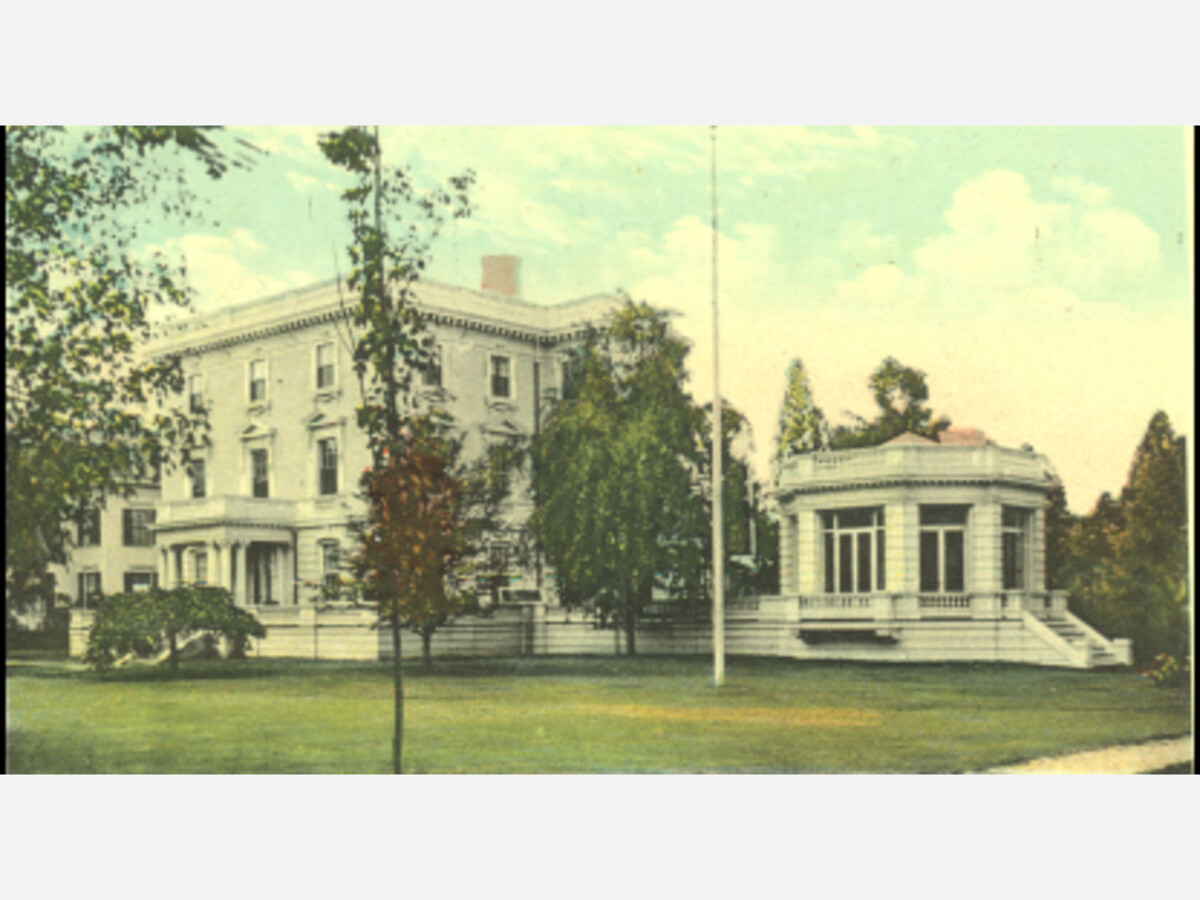
Above, the Thayer House around 1900. Later a Dean dormitory named Thayer Hall, it was destroyed by fire in 1995. Alumni Hall was lost to fire two years later. According to the college, these days all Dean College residence halls have full sprinkler systems and networked fire alarm systems. When a fire alarm is activated, the alarm goes directly to the Franklin Fire Department.
The Commonwealth has proclaimed September College Fire Safety Month in Massachusetts as thousands of students return to campus and move into dormitories, apartments, and other student housing.
Fire officials are offering guidance to help prevent fires and injuries during what is traditionally the leading month for fires in student housing.
“Massachusetts is proud to welcome thousands of students to our colleges each fall, and we want every one of them to have a safe and successful year,” said Governor Maura Healey. “Most fires in student housing can be prevented. Simple steps like staying in the kitchen while cooking, keeping exits clear and using batteries and chargers safely can save lives.”
“Move-in day comes with a long checklist, and fire safety needs to be on it,” said Lieutenant Governor Kim Driscoll. “Before families unpack the last box, check the smoke and carbon monoxide alarms, identify two ways out and make sure everyone knows what to do if a fire starts.”
Massachusetts fire departments reported more than 2,500 fires in dormitories, fraternities, and sororities between 2021 and 2025. These fires caused six civilian injuries, 10 fire service injuries, and approximately $2.7 million in damage.
Fire officials are also emphasizing the importance of safety in apartments and other off-campus housing. Two Massachusetts college students died in separate, unrelated off-campus fires in 2013.
“College Fire Safety Month is an important reminder that keeping students safe is a shared responsibility,” said State Fire Marshal Jon M. Davine. “Colleges and universities, property owners, families, and students all have a role to play. As students return to campus and settle into new housing, we encourage everyone to review basic fire safety, make sure alarms are working, and know what to do in an emergency.”
Massachusetts law requires landlords to provide working smoke and carbon monoxide alarms. Students should test their alarms when they move in and immediately notify their landlord if an alarm is missing, damaged or not working.
Students should also check the manufacturing date printed on the back of each alarm. Smoke alarms should generally be replaced after 10 years. Carbon monoxide alarms should be replaced after five, seven or 10 years, depending on the make and model.
About 90 percent of fires in student housing are related to cooking, with unattended cooking the most common factor. Students should remain in the kitchen when using the stovetop, use a timer when cooking in the oven, and never cook while drowsy or impaired.
With September 1 marking the primary move-in date for students across Massachusetts, fire officials are also reminding students to keep escape routes clear. Boxes, furniture, bikes, and other belongings should not block windows, doorways, hallways, or stairwells.
Students should know two ways out of their building and, when possible, two ways out of each room. If an alarm sounds, occupants should leave the building, stay outside, and call 9-1-1.
Students can also reduce the risk of fire by following these precautions:
For more fire safety tips for both on and off campus, visit www.mass.gov/dfs.


Patchy rain nearby, with a high of 61 and low of 54 degrees. Overcast in the morning, patchy rain nearby for the afternoon, clear in the evening, mist overnight.