55° and Cloudy
Image




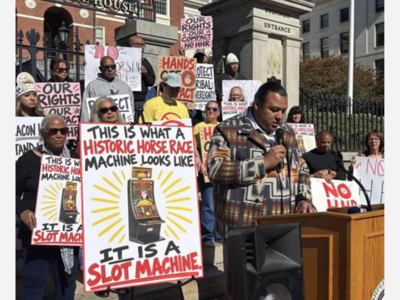
Above, Paul Diego Craney
Following Governor Maura Healey’s announcement of a new executive order requiring local approval for data center projects, the Massachusetts Fiscal Alliance, a fiscally conservative organization, is calling out the Governor for embracing local control when it comes to data centers while refusing to extend that same principle to communities facing large solar projects and potentially dangerous battery energy storage facilities.
Similarly, the MBTA Law that mandates more apartment and condo construction in towns across Eastern Massachusetts, while begun under the prior administration, has been stringently enforced by Healey.
“Governor Healey’s new position is simple: if a community says no to a data center, the state should listen. So why doesn’t that same principle apply when residents object to massive solar projects or battery storage facilities in their own communities?” said Massachusetts Fiscal Alliance Executive Director Paul Diego Craney. “Local control should not depend on whether a project fits the Governor’s political agenda.”
On Tuesday, Healey offered a sweeping defense of municipal authority over data center development.
“Unless a community says yes to a data center, we’re saying no,” Healey said.
That is a dramatically different message from the one communities have heard when opposing large alternative energy projects. The Healey administration has supported policies designed to accelerate and centralize the permitting of major solar and battery storage developments, reducing and sometimes eliminating the power of residents in the traditional local permitting process.
Now, when it comes to data centers, Healey is insisting that community approval come first.
“The hypocrisy is impossible to miss,” said Craney. “When Healey wants to slow down a project, local control suddenly becomes sacred. When her administration wants solar panels or battery facilities built faster, local objections become an obstacle to overcome.”
Healey’s order requires certain large data centers to demonstrate community support before advancing through the state permitting process, including through community benefits agreements.
MassFiscal is calling on Healey to extend those same principles of local control to communities currently being considered as sites for large solar projects and battery energy storage facilities.
“If Healey really believes ‘unless a community says yes, we’re saying no,’ then apply that standard consistently,” said Craney. “Residents should not lose their voice simply because Beacon Hill prefers one type of project over another.”



Overcast, with a high of 53 and low of 45 degrees. Overcast in the morning, clear overnight.