52° and Light rain
Image



To the Editor:
MassMEP’s new federal award will put nearly $3 million behind efforts to help smaller Massachusetts manufacturers adopt technologies including artificial intelligence, robotics, and automation. Franklin's businesses should use that moment to focus on a workforce skill that is easy to overlook: independent judgment.
The town already has reason to care. The Franklin Observer has reported that Plansee and Dale Medical are local members of MassMEP. It also reported that Plansee’s Franklin manufacturing training center combines hands-on training and technical instruction for CNC machining.
As AI enters more of that work, employers should test whether people can use it without surrendering their own understanding.
A practical assessment can have four parts. First, ask a worker to perform a task without AI. Second, let the worker use AI to improve speed or quality. Third, require independent verification against measurements, procedures, or physical inspection. Fourth, introduce a plausible AI error and see whether the worker catches and overrides it.
This gives employers a stronger signal than simple AI usage. A person who works quickly with automation but cannot detect a bad recommendation may create hidden rework or quality problems. A person who can challenge the system is more valuable as the technology becomes more capable.
Franklin’s manufacturing base already depends on precision. Its AI strategy should measure judgment with the same seriousness.
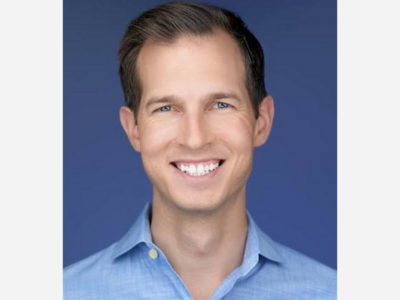
Gleb Tsipursky, PhD
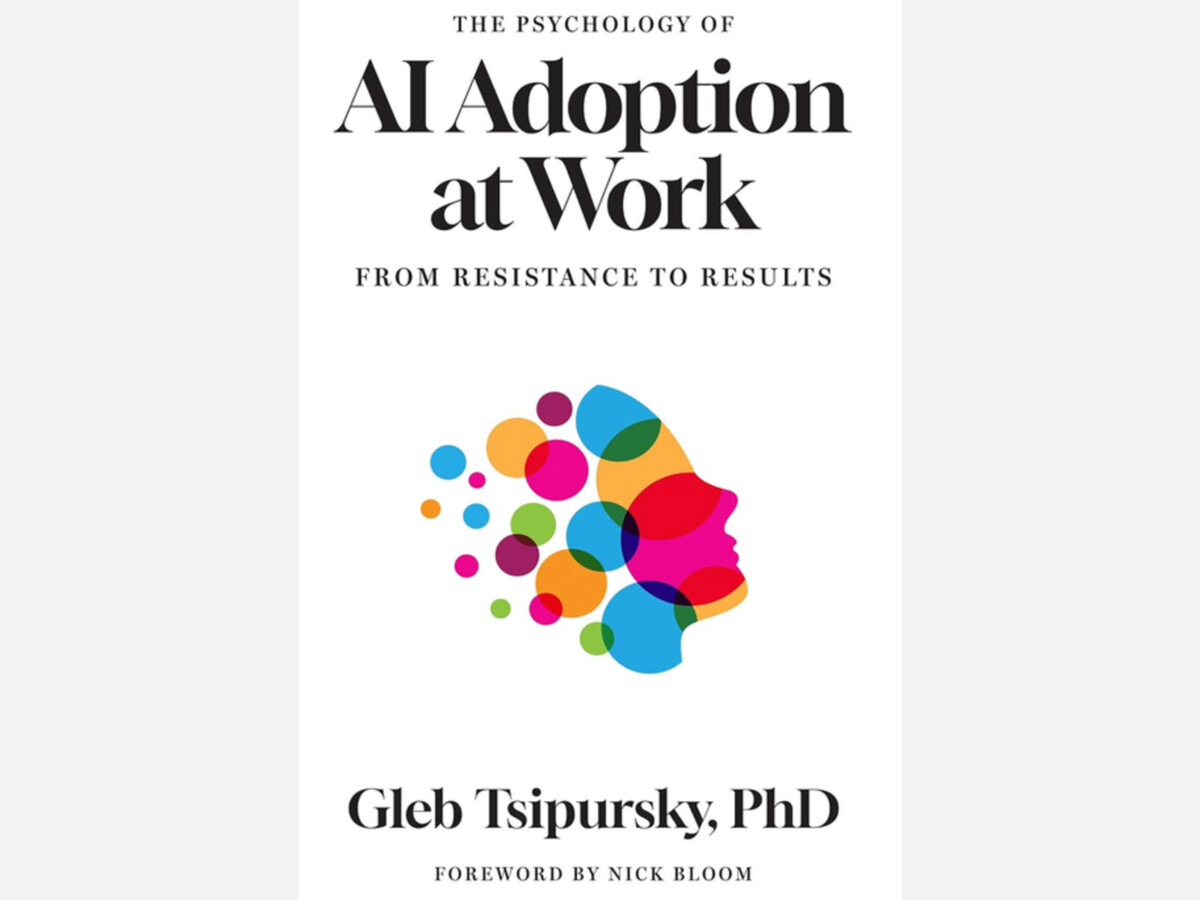
Gleb Tsipursky, PhD, a behavioral scientist, CEO of Disaster Avoidance Experts, and author of The Psychology of AI Adoption at Work: From Resistance to Results (Georgetown University Press, 2026). https://disasteravoidanceexperts.com/aibook His commmentary has appeared regularly in The New York Times, The Guardian, the Toronto Star, and many others. https://disasteravoidanceexperts.com/media


Overcast, with a high of 71 and low of 53 degrees. Fog for the morning, sunny for the afternoon, overcast in the evening, light drizzle overnight.