52° and Patchy rain nearby
Image



Massachusetts residents worried about losing electricity during winter storms may soon have another source of emergency power sitting in their driveways.
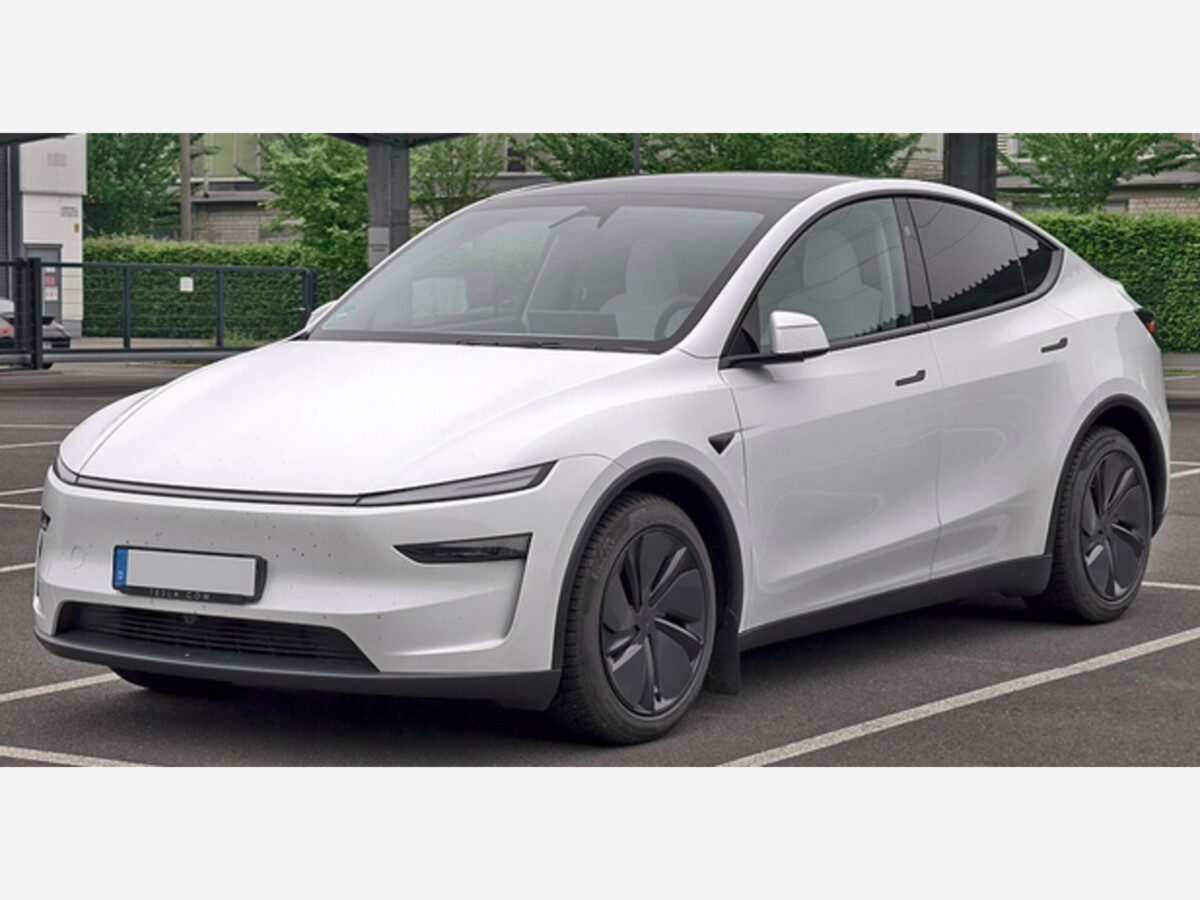
Tesla has expanded its Powershare Home Backup feature to eligible new Model 3 and Model Y electric vehicles. The technology allows electricity stored in a car’s battery to help power a home during an outage.
Tesla, which has a massive charging station at the Franklin Village Mall, announced the expansion Oct. 6. When a compatible vehicle is connected to the required Tesla home equipment, its battery can provide additional electricity after utility power goes out.
Tesla estimates that Model 3 Standard and Model Y Standard vehicles could provide up to two additional days of home backup power. Premium and Performance models could provide more than two days.
Those figures assume the vehicle begins with a 90% charge and the home consumes about 30 kilowatt-hours of electricity per day. Actual backup time will vary considerably depending on the vehicle’s charge and how much electricity the household uses.
The technology could be particularly useful in Massachusetts, where winter storms, falling trees and high winds can leave homes without electricity. During an extended outage, a large EV battery could help keep lights, refrigerators, heating-system controls, communications equipment and other essential devices operating.
There are limitations. The feature requires an eligible Model 3 or Model Y, a Tesla Powerwall 3 and a compatible Tesla Wall Connector. Not every Model 3 or Model Y qualifies.
Tesla says support for homes equipped with Powerwall 2 and Powerwall+ is planned but is not currently available.
The expansion reflects a broader change in the role of electric vehicles. Instead of serving only as transportation, their large batteries can potentially become part of a household emergency-power system or could even contribute to grid power during periods of peak demand.
For Massachusetts homeowners accustomed to preparing for northeasters, ice storms and other weather-related outages, that could make an EV considerably more useful when it is parked than previously imagined.



Sunny, with a high of 73 and low of 57 degrees. Sunny in the morning, overcast for the afternoon, clear in the evening,