55° and Cloudy



Image
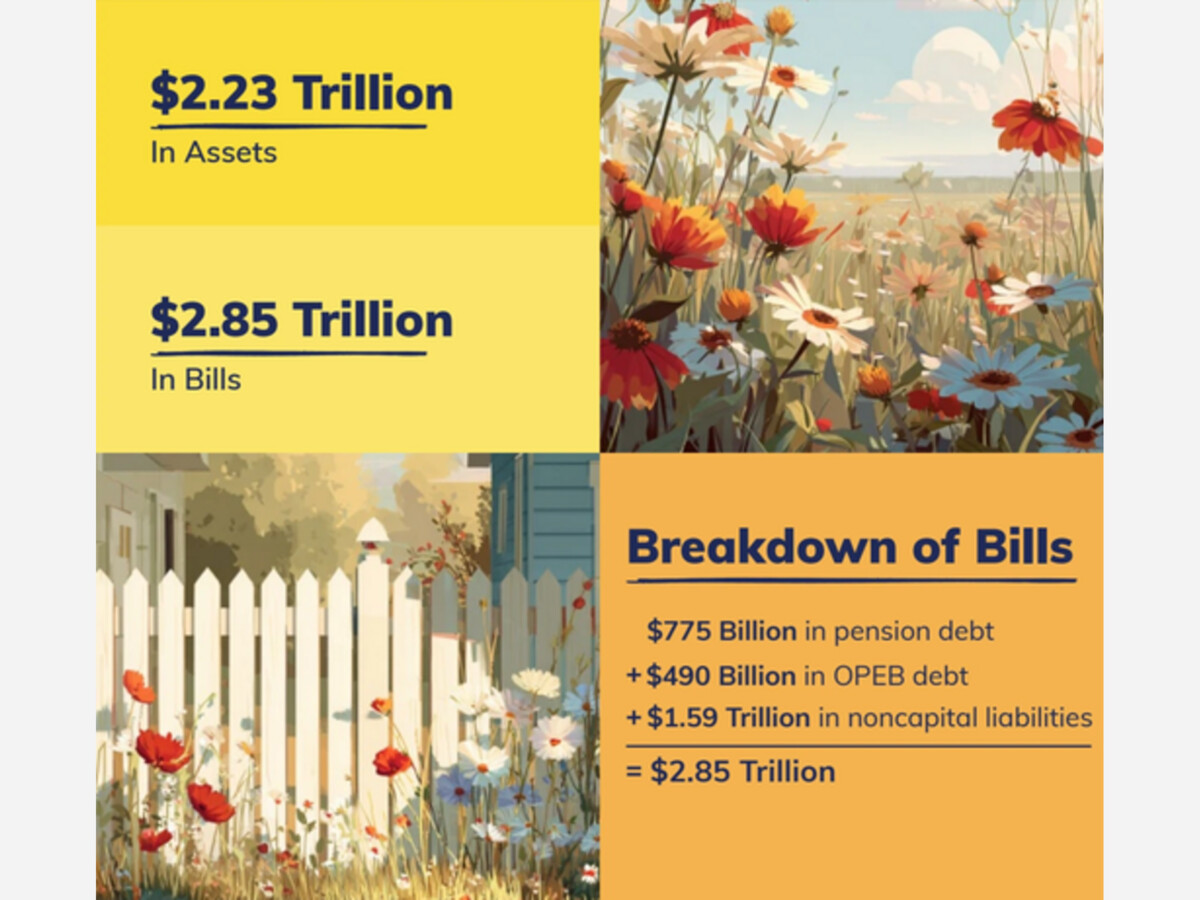
A new report examining the financial health of all 50 states paints a troubling picture across New England, with four of the region’s six states earning grades of D or F and Massachusetts and Vermont both ranking near the bottom nationally.
Truth in Accounting’s newly released Financial State of the States 2026 found that Massachusetts, Vermont, Rhode Island and Connecticut all lack sufficient resources to cover their existing obligations. Only Maine earned a B and reported operating in the black, while New Hampshire received a C.
Massachusetts received an F grade and ranked 47th nationally, categorizing itself among the bottom five “sinkhole” states, with a $24,100 burden per taxpayer. Only Illinois, Connecticut and New Jersey ranked worse. The report found Massachusetts had approximately $48.7 billion available to cover $116.1 billion in bills, leaving a $67.4 billion shortfall.
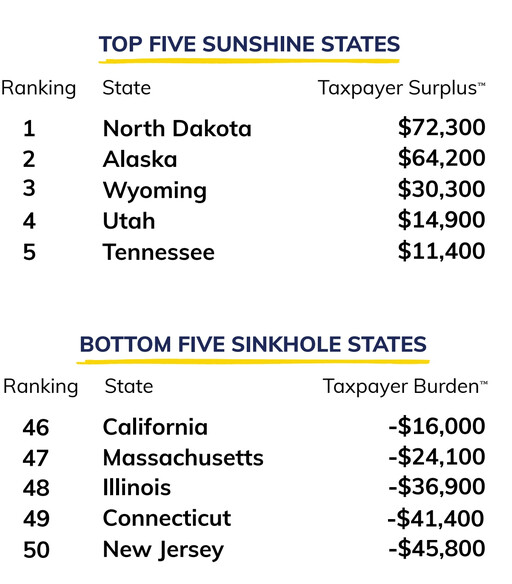
“Beacon Hill cannot continue to make it a habit of making promises without setting aside the money to pay for them, and using budgeting gimmicks to deceive taxpayers,” said Paul Diego Craney, Executive Director of the Fiscal Alliance Foundation. “Ranking 47th in the country should be a flashing warning sign, especially while the Legislature continues fighting greater oversight and avoiding the implementation of the voter-approved audit law. Massachusetts has a spending, transparency and accountability problem and this report shows that.”
The report also raises concerns about financial oversight. Massachusetts received approximately $34.3 billion in federal grants, accounting for 31 percent of state revenue. This large amount triggered a federally required Single Audit that identified repeated problems involving financial reviews, federal grant reporting and oversight of organizations receiving federal funds. Truth in Accounting noted that many of those problems had been identified in previous audits but remained unresolved.
Vermont received a D grade and ranked 43rd nationally, with an estimated $11,500 burden per taxpayer. By comparison, neighboring New Hampshire's burden was $2,700, while Maine was the only New England state to report a taxpayer surplus, at $500.
“Vermonters are constantly being asked to pay more, but this report shows that higher spending has not translated into stronger state finances,” said Elizabeth Brown, Vermont State Director of the Fiscal Alliance Foundation. “An $11,500 burden for every taxpayer should force policymakers to take a hard look at the commitments state government is making and whether Vermonters can afford them. We need greater transparency, stronger oversight and a much more serious focus on the long-term cost of state government.”
Vermont also relies heavily on federal funding, with approximately 38 percent of state revenue coming from federal grants. Its Single Audit identified weaknesses involving financial reporting, benefit eligibility, grant reporting, purchasing and computer systems used to manage cases.
Nationally, Truth in Accounting found that 24 states lacked enough money to pay all of their bills. The Fiscal Alliance Foundation said the findings should serve as a warning throughout New England that high taxes and spending do not guarantee sound fiscal management, and policymakers should focus on controlling long-term obligations and providing taxpayers greater transparency into state finances.



Sunny, with a high of 61 and low of 41 degrees. Sunny for the morning, clear for the afternoon and evening,