55° and Cloudy



Image
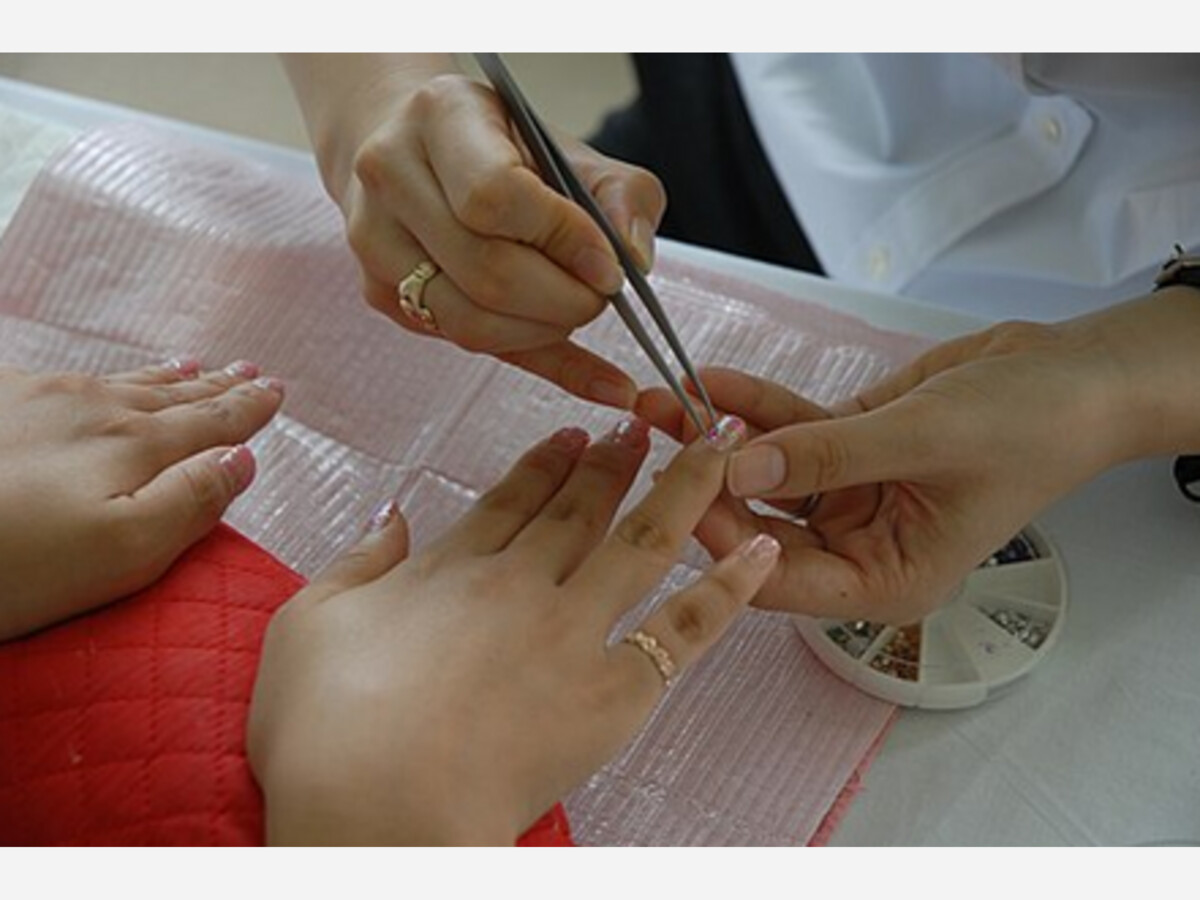
A new report, “Not to be Left Behind”: Re-examining the Needs of the Massachusetts Nail Salon Industry, released Monday finds that nail salon workers and owners across Massachusetts face persistent challenges with financial insecurity and rising costs of living, workplace health risks, and discrimination—even as the industry provides a skilled and important source of livelihood for immigrant women and families.
Developed by the Vietnamese American Initiative for Development (VietAID), Greater Boston Legal Services’ Asian Outreach Center (AOC), Asian American Resource Workshop (AARW), Asian Pacific Islander’s Civic Action Network (APIs CAN), and the Boston College Law School Legal Services LAB Civil Rights Clinic, the report examines the experiences of nail salon workers and owners through surveys and focus groups. It explores income stability, workplace conditions, health and safety, and the support needed to sustain an industry deeply connected to immigrant communities across the Commonwealth. The report comes as federal cuts to food assistance, health coverage, and other public benefits take effect, reducing support on which many low-income working families and immigrant households rely.
Massachusetts has nearly 20,000 licensed nail technicians and more than 1,700 registered nail salons. The nail salon industry serves as a particular bedrock for immigrant communities. The majority of nail salon workers identify as Asian women with limited English proficiency. In Massachusetts, the industry is made up largely of small, single-salon businesses owned by former nail technicians, who often come from the same communities as the workers they employ. Yet the report’s findings reveal significant challenges for workers and owners alike.
“Nail salons are on nearly every Main Street in Massachusetts, yet the people who work in them are rarely heard,” said Jaya Savita, executive director of the Asian Pacific Islanders Civic Action Network (APIs CAN). “Nail work is a skilled career which families, especially immigrant women, have built their lives around. This report puts workers’ experiences on the record, in their own words, so this work finally gets the respect and investment it deserves.”
Among the key findings:
“Every day, community members come to VietAID’s Direct Service program for support, and many of them are nail salon workers,” said Ricky Huynh, community engagement coordinator at VietAID. “They rely on safety net programs to manage the uncertainty of their monthly income, and we see firsthand how that hardship affects their families and our broader community. As federal cuts reach the programs working families depend on, that need is only growing.”
The report also highlights the interconnected challenges facing salon owners. Three-quarters of surveyed owners were former nail technicians. Nearly 80% of surveyed owners owned just one salon and 68% of surveyed owners had salons with five or fewer employees. Workers and owners alike identified needs for greater financial stability, accessible resources in their primary language, and support navigating industry pressures.
“Workers and owners are both facing the same rising costs and pressures in the nail salon industry," said Kevin Lam, co-executive director of the Asian American Resource Workshop (AARW). “There is deep pride shared by both workers and owners for the craft, and must not be a trade-off for their health and wellbeing. The lived experiences of workers and owners should be the foundation for policies that are put in place to make this work sustainable and ensure the well being, safety, dignity, and agency of workers and owners.”
Building on From Our Own Voices, a 2021 report by VietAID and Greater Boston Legal Services’ Asian Outreach Center examining Vietnamese nail salon workers’ experiences before and during the COVID-19 pandemic, the new study broadens the focus to include workers and owners across the industry.
The report recommends action in three key areas:
The report emphasizes that responsibility for improving conditions extends beyond workers and salon owners. Government agencies, elected officials, funders, customers, and community organizations all have a role in supporting a safer, more financially stable, and more equitable industry.
“Workers must have a meaningful voice in the decisions that affect their health, livelihoods, and future,” said George Huynh, executive director at VietAID. “For low-income Vietnamese nail salon workers in Massachusetts, language access is economic access. When workers can understand their rights and safety protections in their own language, they can earn fair wages and build stronger futures for their families.”
“We cannot expect salon owners and workers to fix systemic problems in the industry on their own.” said Thao Ho, staff attorney at Greater Boston Legal Services’ Asian Outreach Center. “There must be partnership and investment, from state and local agencies and funders to community organizations and the customers who rely on these salons every day."
Community members will gather this evening to mark the report’s release and discuss its findings and recommendations. The community launch will take place Monday, October 19, from 6 to 8 p.m. at the Vietnamese American Community Center, 42 Charles St. in Dorchester. The event will create space to hear directly from nail salon workers about their experiences, explore the report’s findings, and connect workers and owners with resources.
To learn more about the report and its recommendations: massapiscan.org/nail-salon-report-2026
Vietnamese American Initiative for Development (VietAID) works to empower Vietnamese Americans and other residents of Boston’s Fields Corner neighborhood through community development, organizing, and programs that promote economic opportunity and well-being.
Greater Boston Legal Services’ Asian Outreach Center (AOC) works to advance access to justice for low-income Asian communities through legal services, litigation, outreach, and policy and legislative advocacy.
Asian American Resource Workshop (AARW) builds grassroots power among working-class Asian American communities in Massachusetts through community organizing, leadership development, and advocacy.
Boston College Law School Legal Services LAB Civil Rights Clinic engages students in civil rights advocacy and legal work addressing systemic inequities.
The Asian Pacific Islanders Civic Action Network (APIs CAN) is a statewide coalition of grassroots, community organizations that builds collective power across Asian American and Pacific Islander communities in Massachusetts to advance racial, economic, civic, and immigrant justice.


Overcast, with a high of 53 and low of 45 degrees. Overcast for the morning, clear overnight.