48° and Clear



Image
Wednesday, the U.S. Department of Energy announced a Request for Proposal for an exchange of up to 315,000 barrels of ultra-low sulfur distillate (fuel oil) from the Northeast Home Heating Oil Reserve (NEHHOR). This solicitation is structured to mitigate supply chain challenges disrupting fuel oil supply. Under the terms of the exchange, borrowing companies must return the same volume of fuel oil plus a premium, ensuring that NEHHOR is refilled ahead of the 2027–2028 heating season.
The Northeast Home Heating Oil Reserve (NEHHOR) is a one million barrel supply of ultra low sulfur distillate (diesel) that provides protection for homes and businesses in the northeastern United States should a disruption in supplies occur.
Of all the households in the United States that use heating oil to heat their homes, the majority reside in the Northeast region of the country - making this area especially vulnerable to fuel oil disruptions. The Northeast Home Heating Oil Reserve, a one million barrel supply of ultra low sulfur distillate (diesel), provides protection for homes and businesses in the northeastern United States should a disruption in supplies occur.
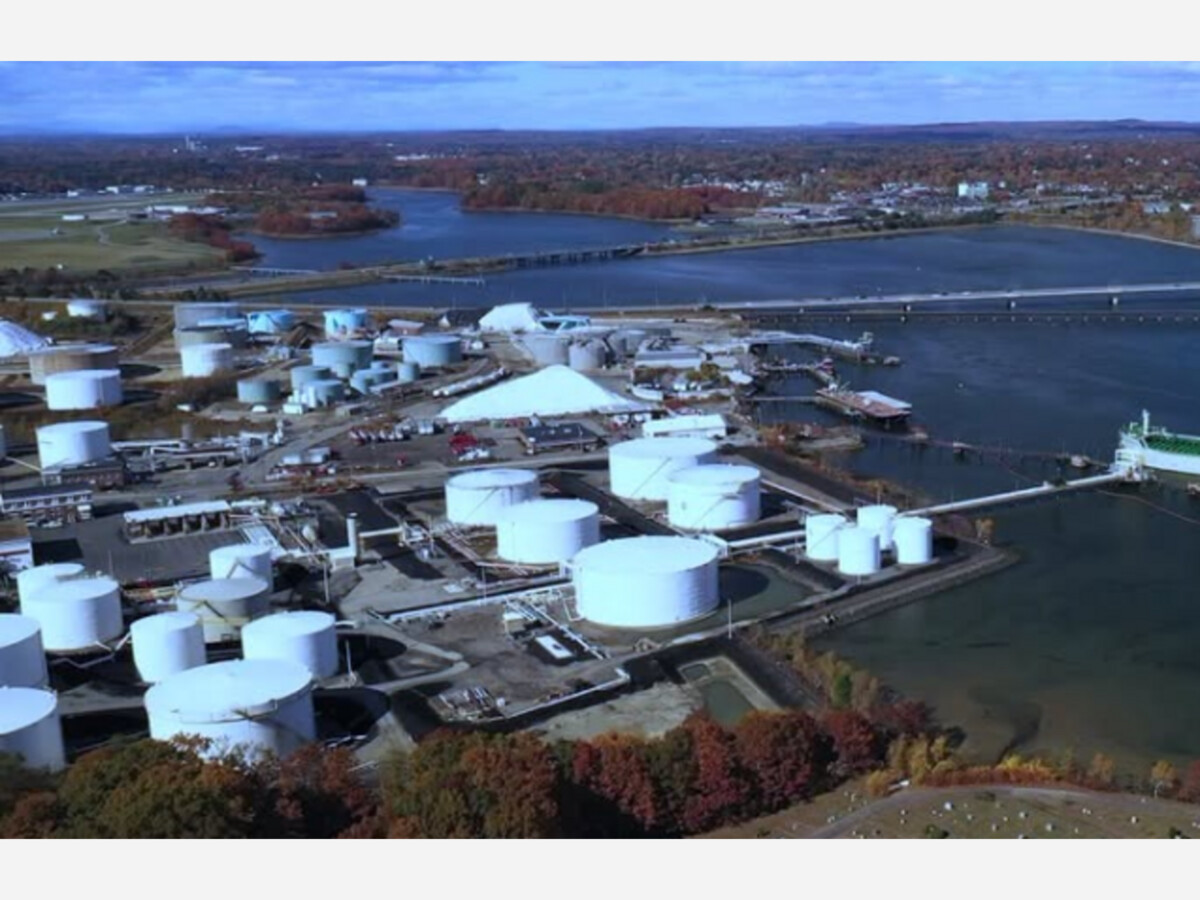
The NEHHOR holds approximately one million barrels of Ultra Low Sulfur Diesel designated for Heating Oil:
200,000 barrels located in South Portland, ME area
200,780 barrels located in the Boston, MA Area
300,347 barrels located in the Groton/New Haven, CT area; and
300,000 barrels located in the New York Harbor area
The reserve are defined by the Energy Policy and Conservation Act (EPCA).
U.S. Secretary of Energy Chris Wright said, “After receiving Senators Collins’ and Kings’ letter and extensive discussions with Senator Collins, I have directed the Department to exchange barrels from our Northeast Home Heating Oil Reserve to mitigate heightened home heating oil costs during the upcoming winter... I encourage the governors of New York and New England to work with the Trump Administration to build the Constitution Pipeline and replace home heating oil with low-cost natural gas. Doing so would save their residents billions of dollars in home heating and electricity costs.”



Overcast, with a high of 59 and low of 46 degrees. Overcast for the morning, clear during the afternoon and evening, overcast overnight.