45° and Clear



Image
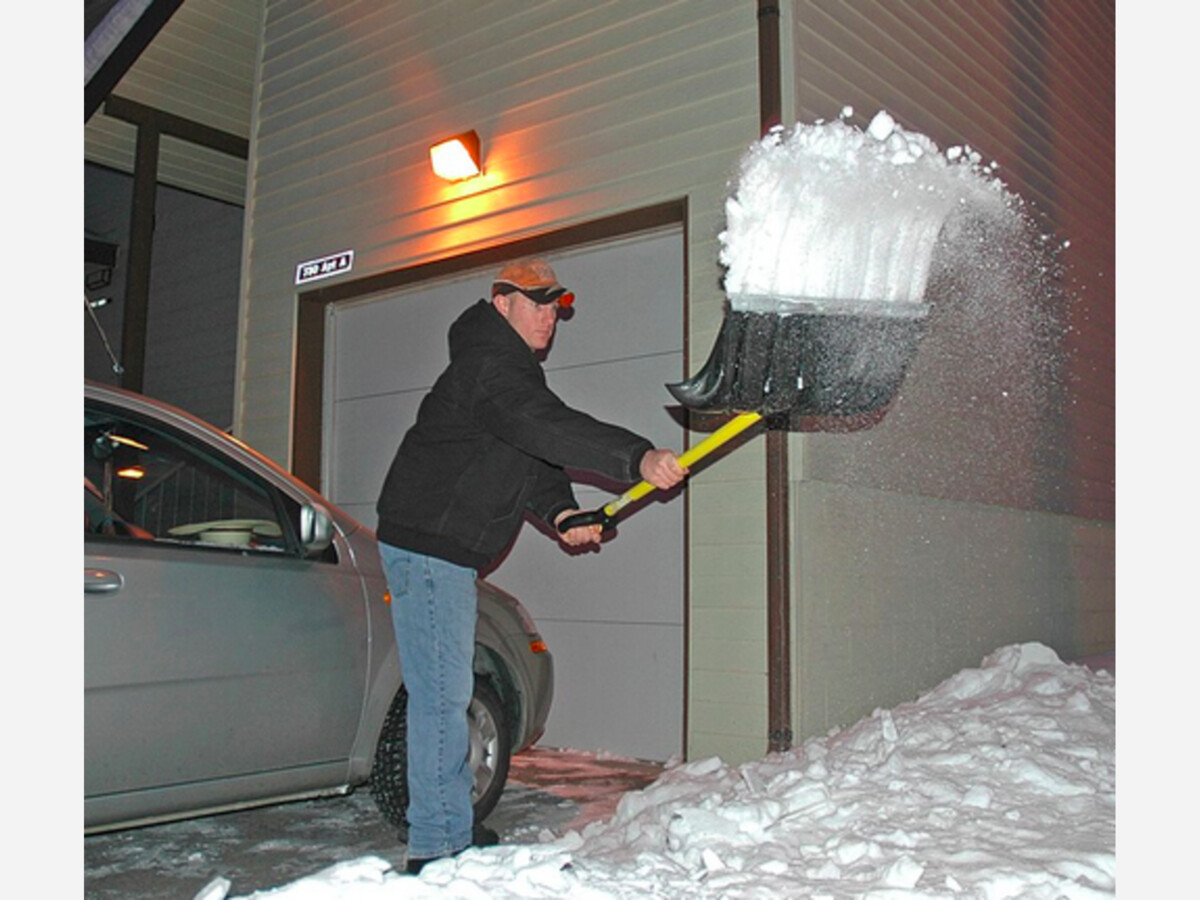
NOAA’s U.S. Winter Outlook, released earlier this month shows how El Nino will likely influence the upcoming winter months (December 2026 to February 2027), with warmer-than-average temperatures expected across the northern U.S.; wetter-than-average conditions likely across the southern U.S., from California to Florida, and along the Eastern Seaboard; and drought improving for the majority of the country, including areas in the East, Southern Great Plains and Southwest.
“As we know from decades of observations, a very strong El Nino will likely bring a southward and eastward shift to the jet stream for the contiguous U.S., which tilts the odds toward stormier weather across the South,” said Ken Graham, director of NOAA’s National Weather Service. “While higher chances of rain and snow may bring relief to drought-afflicted areas, too much precipitation on dry soil can fuel destructive flash floods and mudslides. Now is the time for communities and individuals to plan ahead for the upcoming winter.”

The 2026-2027 U.S. Winter Outlook map for temperature shows the greatest chances for warmer-than-average conditions in the Pacific Northwest, northern Rockies, Midwest, Mississippi Valley, much of the East and Alaska. (Image credit: NOAA)Download Image

The 2026-2027 U.S. Winter Outlook map for precipitation shows wetter-than-average conditions are most likely across the Southwest, South and East Coast. Drier-than-average conditions are forecast for parts of the northern Rockies and Great Lakes, and central Alaska. (Image credit: NOAA)Download Image

The U.S. Drought Outlook map for October 15, 2026, through January 2027, predicts drought conditions to improve or end by the end of January for the Southwest, Southern Great Plains, Southeast and East Coast. Drought conditions are favored to develop or worsen across parts of the northern Rockies. (Image credit: NOAA)Download Image
NOAA has also implemented upgrades to many of its winter weather products for the 2026-27 winter season:
NOAA’s seasonal outlooks provide the likelihood that temperatures and total precipitation amounts will be above-, near- or below-average, and how drought conditions are anticipated to change in the months ahead. The outlook does not project seasonal snowfall accumulations as snow forecasts are generally not predictable more than a week in advance. NOAA’s Weather Prediction Center updates its three-month outlook monthly. The next update will be available on November 19.
Stay current on winter weather risks in your area with the latest official watches and warnings at weather.gov. Visit weather.gov/safety for important winter preparedness information.


Sunny, with a high of 66 and low of 44 degrees. Mist for the morning, sunny in the afternoon, clear in the evening, mist overnight.