42° and Light rain
Image
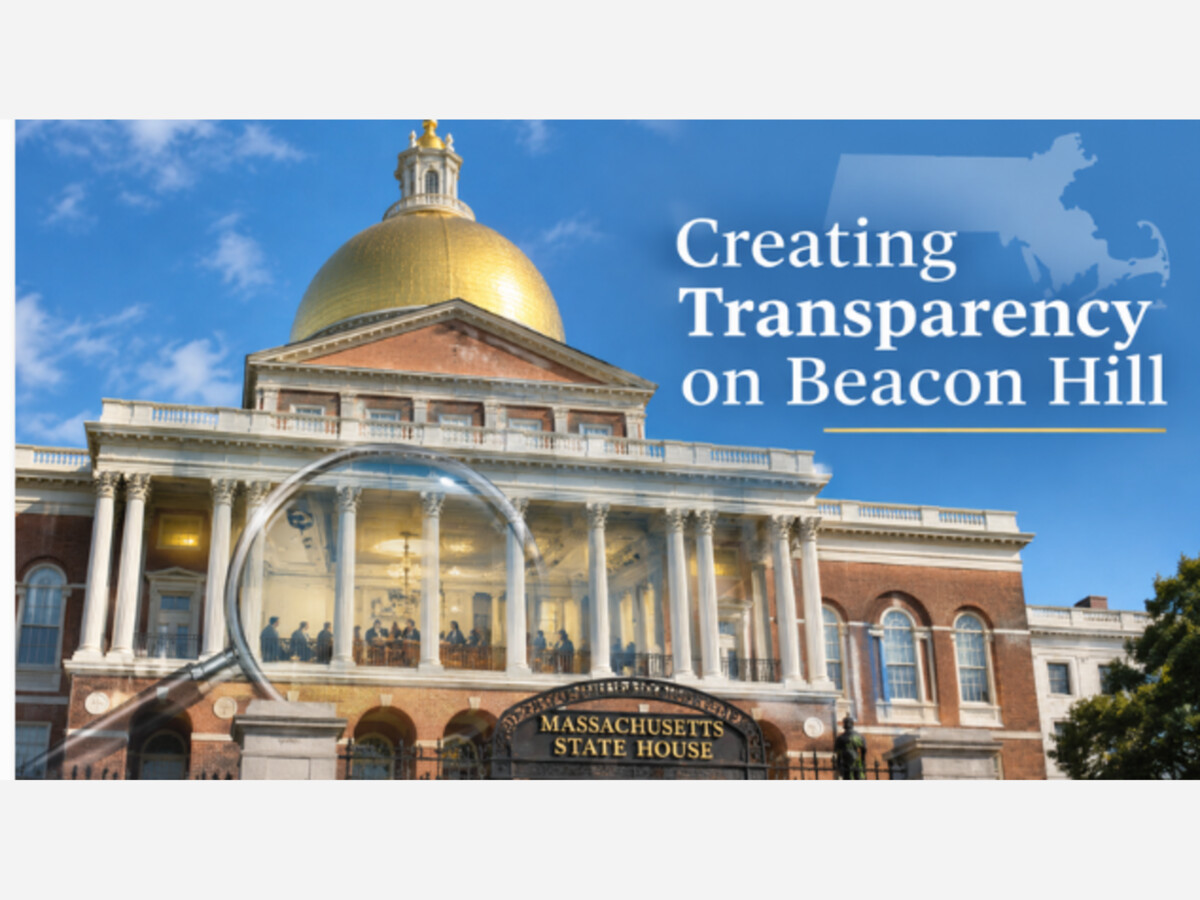



In this article, some Western Mass. reporters look at the passage of Question 1 and what it might -- or might not -- mean for transparency. This story was originally published by The Shoestring.
By Dusty Christensen Published 2 days ago
When I arrived at the Daily Hampshire Gazette as a newly hired reporter in 2017, I was full of optimism about holding politicians accountable. And two months into the job, a perfect chance arrived.
Peter Kocot, who was then Northampton’s state representative, had proposed a bill to create a mid-level dental job — similar to a nurse practitioner — as a way to improve dental care for low-income families who had unmet dental needs because they couldn’t afford care. The bill had the backing of the Massachusetts Dental Society, which had traditionally lobbied against legislation that would create the new class of provider.
However, the bill contained some significant limitations that the dental lobby wanted to see implemented. It would have restricted where those dental therapists could practice, required that they be supervised by an on-site certified dentist, and prevented them from performing tooth extractions. Advocates for greater access to dental care argued all that would limit the bill’s ability to meaningfully tackle dental inequity.
Several other state lawmakers put forward another bill with fewer restrictions — an effort that a wide range of medical organizations backed, including the Massachusetts Dental Hygienists’ Association and the Massachusetts Public Health Association.
As a reporter, the question on my mind was simple: “I wonder what kind of communications the Massachusetts Dental Society had with those state lawmakers.” So I drafted a public records request — for emails, or other conversations, between the parties.
But when I ran the idea past my editor, what he said shocked me. That won’t work, he explained, because Massachusetts lawmakers are exempt from the state’s public records law.
In other words, our elected representatives on Beacon Hill didn’t consider their own documents to be the public’s business. City councils, mayors’ offices, police departments, state agencies — they all had to abide by the law and disclose their business to the public except in certain circumstances. But not the state Legislature, not the governor’s office, and not the judiciary.
That soon will change after voters on Tuesday overwhelmingly passed Question 1, a ballot initiative that opens up the Legislature and governor’s office to records requests. But just how much state lawmakers are willing to let the sun shine into the dark corners of the Statehouse remains to be seen.
For as long as I’ve been a journalist in western Massachusetts, all three branches of our state government have been able to avoid responding to public records requests. We have been the only state in the entire country where that’s true. The Society of Professional Journalists took that into consideration when, last year, it “awarded” Massachusetts with a dishonorable prize: its Black Hole Award, given yearly to government entities demonstrating “a troubling lack of transparency and disregard for the public’s right to know.”
“Access to public records is not optional – it is a cornerstone of a functioning democracy,” the organization’s Freedom of Information Committee Chair Michael Morisy said at the time.
Journalists have long used freedom-of-information laws to investigate allegations of wrongdoing, abuses of power, and the behind-the-scenes work of public and private entities alike. And the language of Question 1 is unambiguous. Except for two exemptions — one for constituents’ requests for assistance in obtaining benefits or services, another for documents “relating to developing policy positions” — the Legislature and governor’s office will now be subject to public records requests.
However, some expect lawmakers to put up a fight, just like they’ve done ever since voters approved another ballot question in 2024 allowing for an audit of the Legislature. (State Auditor Diana Dizoglio was behind both initiatives.)
As The Shoestring’s divina cordeiro reported last week, the state House and Senate have both passed separate bills that would supersede Question 1. And although there are some differences, both versions of the legislation would open the governor’s office up to records requests while keeping many of the Legislature’s records still hidden from the public.
That’s bullshit.
So, while House and Senate leaders meet to hammer out the differences in bills that, if passed now — after 85% of voters supported Question 1 — would be profoundly undemocratic, we thought we’d ask The Shoestring’s writers to share the public records requests they’re itching to send:
The request: All of the written comments received on a list of proposed bills to address PFAS contamination.
Why I’m filing it: As a reporter who has been following PFAS contamination issues for years, I was eager to learn more about a bill filed in 2023 that would have addressed a particularly troubling trend. For decades, fertilizer and soil products derived from sewage sludge have been applied to farmland in Massachusetts and across the country, but only recently have we come to understand that this practice can spread PFAS. Sen. Jo Comerford’s bill would have protected farmers who unknowingly contaminated their fields with this state-approved fertilizer, set up a fund for testing and remediation, and limited the land application of sewage sludge. The bill received vocal support during the public hearing process and bipartisan cosponsorship.
So why didn’t it pass?
I requested to see the written public comments on the bill submitted by Casella Waste Systems, one of the major waste management companies in New England that handles sludge, and was shocked to learn that those comments are not public record. Lawmaking is supposed to be an intentionally transparent and deliberative process. Why should a company responsible for managing our waste and protecting public health be able to weigh in on relevant legislation anonymously?
When Maine banned the land application of sewage sludge in 2022, it contributed to a “significant and dangerous challenge” managing all the extra waste sent to the Juniper Ridge landfill, one Casella manager later told the Maine Department of Environmental Protection. Massachusetts residents deserve to know what challenges lie ahead as we work to reduce exposure to PFAS and manage our waste streams, especially if the companies responsible for it are struggling.
Various versions of the PFAS bill were reintroduced, amended, and consolidated this session, but they died after being sent to committee without a vote. Now, written public comments submitted while a bill is before a committee will actually be public record (as is the case in neighboring states!). I’d like to know what is being said behind closed doors that is keeping the Massachusetts Legislature from addressing this pressing public health issues of PFAS contamination and sewage sludge management.
The request: Any and all emails or other communications, from January 2022 to present, between Gov. Maura Healey and representatives from the companies OpenAI, Anthropic, Nvidia, Microsoft, Google, and Meta/Facebook.
Why I’m filing it: Healey really seems to love AI. Earlier this year, she joined OpenAI CEO Sam Atman to announce, from the Boston headquarters of a wearable AI device company, that Massachusetts was bringing ChatGPT to employees of the executive branch. And as The Shoestring’s Jonathan Gerhardson reported in April, by then the governor’s vision for AI’s role in state governance was already well underway. Gerhardson obtained records — using a public records request — that showed at least 40 state agency functions, many of which touch sensitive resident data, are now or may imminently be powered by AI.
Since 2022, the year she was elected governor, Healey’s campaign has pulled in more than $23,000 from the six companies in my records request. It should be simple to learn what they’re talking about with the governor. That’s possible in most other states, and now it’ll be possible here.
The request: (1) All communications, including attachments, received by the Office of the Governor from Dec. 1, 2026 through the date the request is processed, from any lobbyist or lobbyist entity on a specified list; (2) all communications sent by the Office to those entities in the same period; and (3) all internal communications, notes and drafts of the Office that forward, discuss or respond to the records in items (1) and (2).
Why I’m filing it: While expanded access to governmental records is a good thing, the newly passed ballot initiative also creates a new exemption to the public records law, bringing the total number of reasons the government could deny a request to 23. Exemption (x) will let the governor’s office and the Legislature withhold “communications, memoranda, drafts or other documents” if they are about “developing policy positions.” That’s vague and I don’t really know what it means, so the intention of these requests is to find out as quickly as possible by asking for records some offices might try to withhold. Why? Because I find governmental records aesthetically pleasing, in the same way that Hollywood producers like Mark Rothko paintings. I’m also dating the request to December to test whether the governor will release records created before the ballot question or attempt to withhold those.
* * * * * * *
Dusty Christensen is The Shoestring's investigations editor. Based in western Massachusetts, his award-winning investigative reporting has appeared in newspapers and on radio stations across the region. He has reported for outlets including The Nation magazine, NPR, Haaretz, New England Public Media, The Boston Globe, The Appeal, In These Times, and PBS. He teaches journalism to future muckrakers at Smith College. Send story tips to: dchristensen@theshoestring.org.

Overcast, with a high of 45 and low of 37 degrees. Light drizzle during the morning, overcast for the afternoon, light rain overnight.