44° and Clear
Image
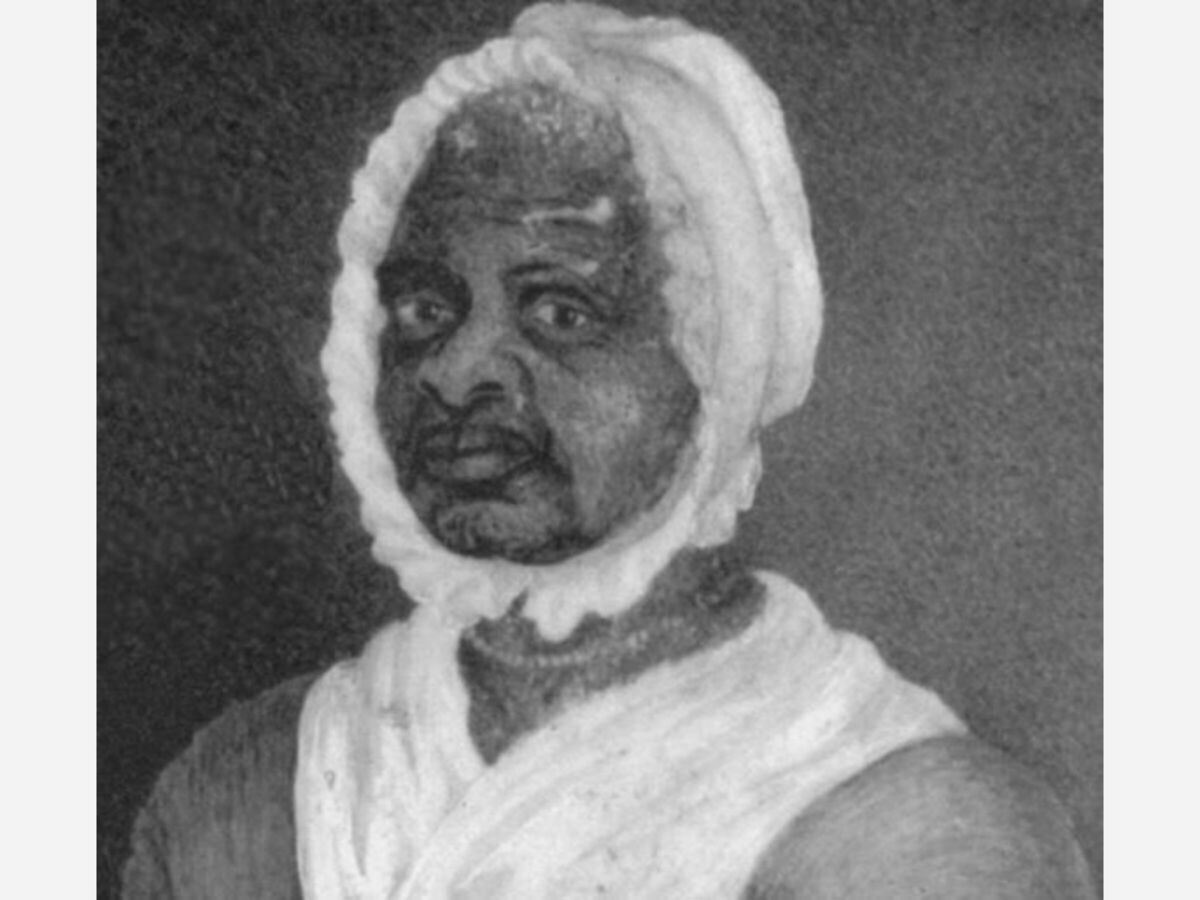



Above, an image of Mumbet from Massmoments.org
Slavery was a fact of life in Colonial New England, including Franklin, and its “mother town,” Wrentham. And while a significant portion of enslaved individuals were able to “earn” their freedom or had it granted to them in some way, the majority had to wait for a change in legal circumstances.
The first step was the creation of the Massachusetts State Constitution, the oldest in continuous use in the world and a big influence on the creation of the US Constitution several years later. Though the Revolutionary War still raged on, Massachusetts had achieved at least tentative independence from Britain. Although nominally the product of a committee, few have ever questioned that it was primarily authored by John Adams.
With minor changes, it was printed and distributed for public reading across the Commonwealth, the revolutionaries having decided the voters should have a say in approving or disapproving the new government structure.
So it was that an enslaved woman in the Berkshires, known as Elizabeth but commonly called Mumbet, chafing at the cruelties of her “owners” was fortunate to hear the new constitution being read publicly and, when Article I was read, the words “All men are born free and equal, and have certain natural, essential, and unalienable rights..” struck her like lightning, giving her the conviction that she should no longer be enslaved.
With the help of a sympathetic local lawyer, a jury heard her plea and granted her freedom. This was vital for her but as a local legal decision, it didn’t immediately impact other enslaved people.
Meanwhile, a Worcester county man, Quock Walker, enslaved but believing he had been promised his freedom, had run away when his freedom was not granted. Reclaimed and savagely beaten by his owner, his situation also found its way into the legal process and eventually ended up in front of the Supreme Judicial Court where he was granted his freedom. The marginal notes of Justice Cushing's ruling made it clear that in the view of the court, slavery was now illegal. Indeed, by 1790, no slaves were enumerated in the first US census in Massachusetts, an accomplishment that, while belated, was decades ahead of any other state.
Exactly how this played out in the hinterland is unclear and doesn’t seem to be well documented. Town historian, James C. Johnston, said he has never seen a manumission document from the town. And neither independent researcher Susan Elliott nor Franklin Library archivist Vicki Earls have encountered such documents in their study of enslaved and “of color” Revolutionary War soldiers from the area.
In any case, this long-neglected aspects of Massachusetts history has been getting new attention.
The Senate approved two bills Thursday that would set aside on the calendar a pair of ceremonial days related to Black history in Massachusetts.
Under a measure originally filed by Sen. Cindy Friedman (S 2704), July 8 would be observed as Massachusetts Emancipation Day (or Quock Walker Day).
Sen. Joan Lovely said that day would honor Quock Walker, whose case before the Supreme Judicial Court in 1783 established the legal precedent in this state that slavery was "in direct conflict with the commonwealth's newly-minted Constitution."
"And yet, most people are completely unfamiliar with the case and with Quock Walker. That's why bringing awareness to Quock Walker and his story is so incredibly important," Lovely said on the Senate floor. "It shines a bright light on an important part of our history in the commonwealth, a part of our history that has been kept in the shadows or simply ignored for too long."
Last month, the House gave its initial approval to a bill (H 3117) designating July 8 as Massachusetts Emancipation Day a.k.a. Quock Walker Day.
In addition, under S 2703, the third Saturday in July would be observed by a ceremonial proclamation as Negro Election Day in recognition of "the adoption of the first black voting system." Lovely said that starting in 1740, enslaved people from Salem and across the region would hold an annual election to choose their own king or governor. That event eventually became the Black Picnic still held each summer in Salem.
"As we celebrate Black History Month, it is critical that we acknowledge and celebrate the many ways that African Americans have fought for change and pushed our country and commonwealth forward," Lovely said.
A codicil: After being granted her freedom in 1781, Mumbet renamed herself Elizabeth Freeman.
- Sam Doran/SHNS & Franklin Observer


Sunny, with a high of 60 and low of 36 degrees. Partly Cloudy in the morning, cloudy during the afternoon, clear for the evening,