67° and Clear



Image
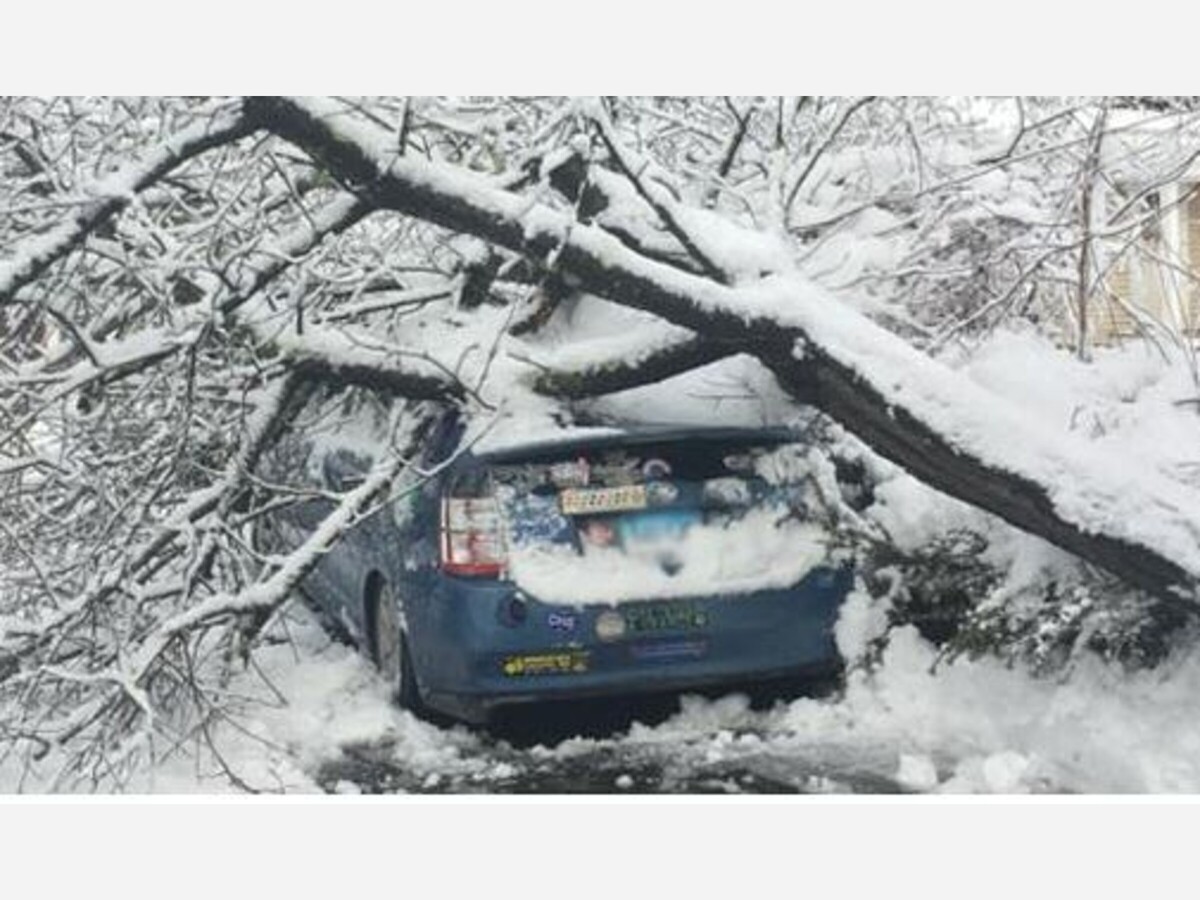
The blizzard of 2026 is leaving a trail of downed trees and power lines in its wake, with potential damage to homes from ice and snow a concern for many. As homeowners assess damage and next steps, AAA Northeast offers guidance on some of the most common post-storm issues.
Ice dams
Ice dams are barriers of ice that clog gutters and prevent melting snow from properly draining off roofs. Damage from ice dams can range from ripped-off gutters and broken shingles to serious water damage affecting ceilings, walls and insulation. While the major accumulation from this storm presents challenges, the best way to decrease ice damming is to remove ice and snow as quickly and safely as possible. Use a roof rake to clear as much snow as you can, even if it’s just near the gutter line — and always prioritize safety. Standard homeowners insurance will generally cover water damage or roof damage caused by ice dams. Once damage has occurred, homeowners are typically obligated to take necessary action to limit further impact. This can include moving furniture from the path of the water entering the home.
Fallen trees
A standard homeowners insurance policy will cover structural damage caused by a fallen tree as well as the structure’s contents. Tree removal may also be covered by your insurance. If a tree falls on your property but doesn’t damage any structure, your home insurance policy might not cover debris removal except in some situations, such as a blocked driveway or accessibility structure. If a tree damages your car, it should be covered if you carry comprehensive coverage. Liability-only policies would not qualify. If a neighbor’s tree falls and damages your property, your own insurance would generally cover the damage; you will need to file a claim with your insurance company. In these cases, the neighbors were not necessarily negligent. It was the storm that caused the tree to fall. However, neighbors may be held liable if the tree was knowingly in poor condition or deteriorating.
AAA Northeast is a not-for-profit auto club with offices in Rhode Island, Massachusetts, Connecticut, New Jersey, New Hampshire and New York, providing more than 6.8 million local AAA members with travel, insurance, financial and auto-related services.



Sunny, with a high of 91 and low of 66 degrees. Sunny in the morning, clear overnight.