53° and Overcast



Image
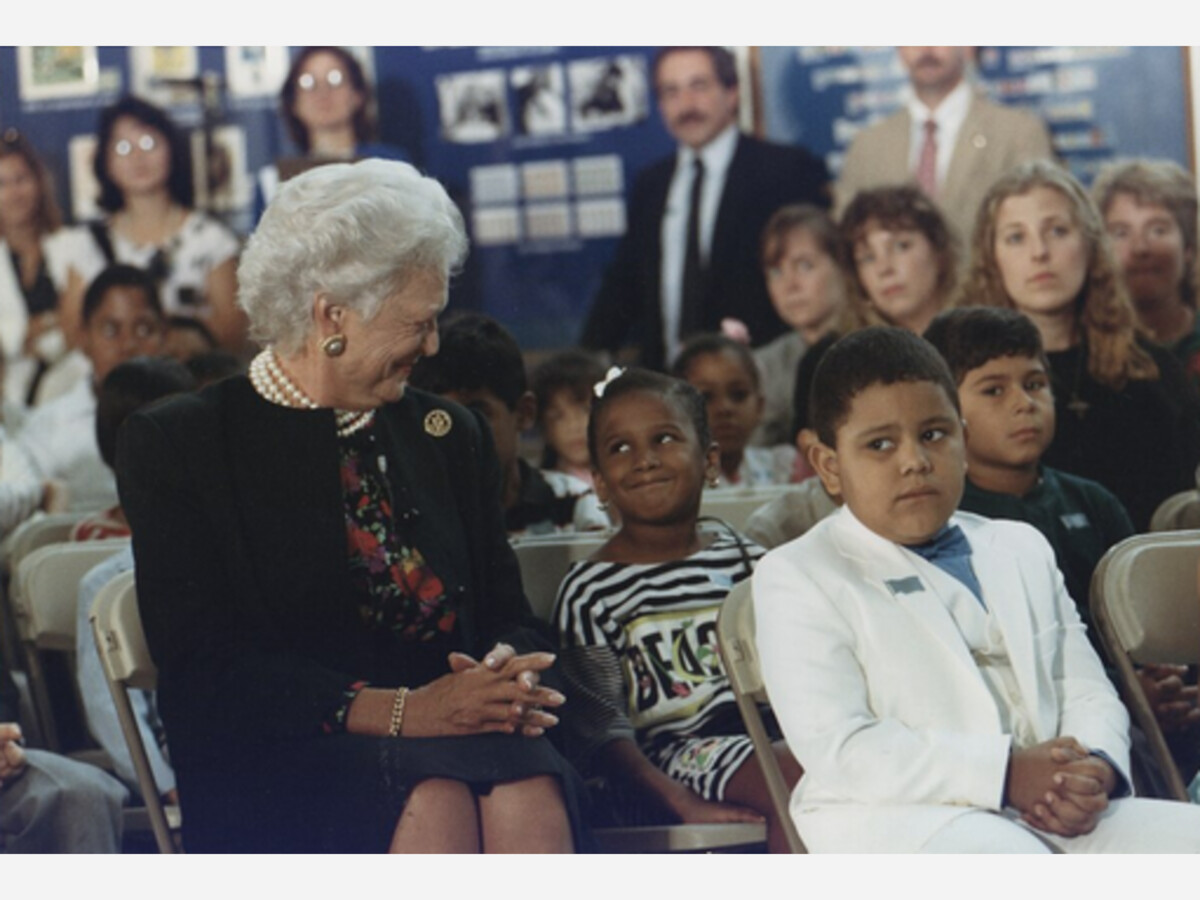
The more things change, the more they stay the same? Above, First Lady Barbara Bush with New York City school children at the UNESCO International Literacy Day celebration in 1989 (the same year that the Barbara Bush Foundation for Family Literacy was launched).
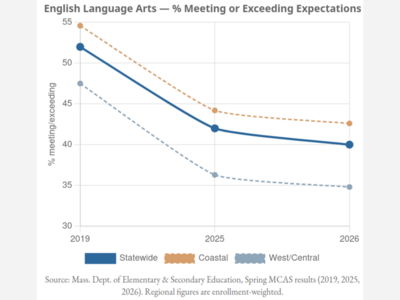
Earlier this month, EdTrust in Massachusetts released a new report, Beyond the Early Grades: The State of Adolescent Literacy in Massachusetts, which finds that nearly 150,000 students in grades six through eight and 10 are not meeting grade-level expectations in English language arts (ELA), with especially troubling disparities for Black and Latino students, multilingual learners, students with disabilities, and students from low-income backgrounds.In recent years, Massachusetts has invested significantly in early literacy through initiatives such as Literacy Launch and the recent passage of the Right to Read Law, which establishes statewide requirements for evidence-based literacy instruction and curriculum in grades K-3.
While these efforts represent important progress, the report contends that the Commonwealth’s literacy agenda must also support schools in meeting the needs of tens of thousands of students entering middle and high school without strong foundational skills, as well as students who demonstrated reading proficiency in the early grades but now struggle as texts become more complex and literacy demands intensify. “Literacy development does not end in third grade, and our policies should reflect that reality,” said Jennie Williamson, state director for EdTrust in Massachusetts. “Reading is the gateway to learning in every subject and nearly every opportunity that follows, but for too long, adolescent literacy has been treated as an afterthought. When students cannot access grade-level texts, they are locked out of rigorous learning, college pathways, and economic opportunity. The good news is that this challenge is solvable — but only if we commit to supporting literacy development beyond the early grades.”
Key Findings
The report crucially emphasizes that these disparities are driven by systemic inequities — such as unequal access to high-quality instruction, timely interventions, culturally responsive practices, and academic supports — not by differences in students’ abilities or potential. It also identifies bright spots across the Commonwealth, where several districts demonstrate that stronger and more equitable adolescent literacy outcomes are possible. These districts achieve this by narrowing achievement gaps and outperforming statewide averages, particularly for Black and Latino students, students from low-income backgrounds, and students with disabilities.
To close these gaps statewide, the report calls on state leaders to strengthen adolescent literacy in Massachusetts by:
"This report is a wake-up call," said Mary Tamer, Executive Director of MassPotential. "We've been making strides in early literacy, but a child's right to read doesn't expire at the end of third grade. When a teenager can't make sense of a textbook, a job application, or a college essay, we are narrowing their future — and too often it's the same students being left behind. That's exactly why the MassReads Coalition is preparing to put adolescent literacy at the center of our future efforts: to make sure Massachusetts supports readers at every grade, in every school, so that every student in the Commonwealth can access a robust education and a bright future."



Overcast, with a high of 61 and low of 47 degrees. Patchy rain nearby during the morning, overcast in the afternoon, clear during the evening, overcast overnight.