48° and Clear



Image
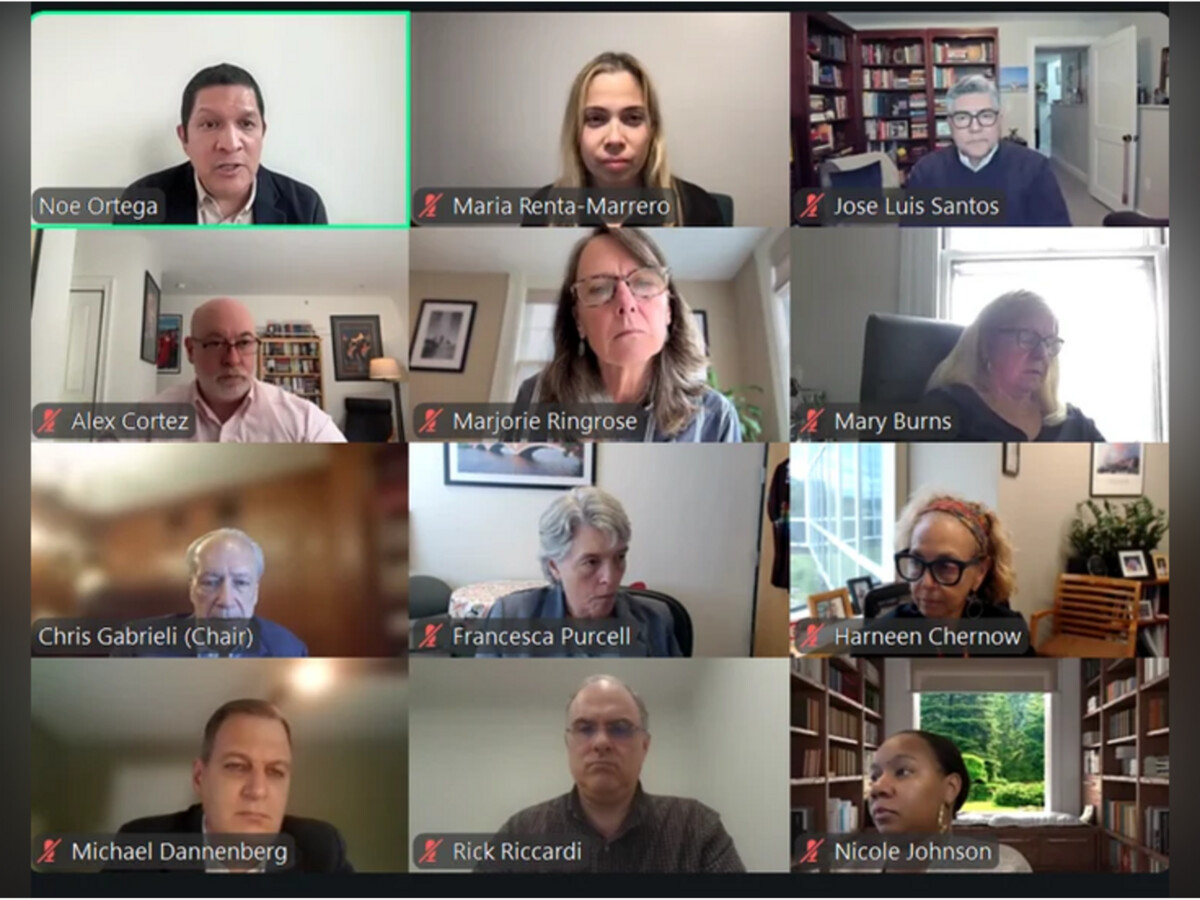
Board of Higher Education meets on Tuesday, Sept. 29, 2026.
After two private colleges announced they were shuttering at the tail end of the last academic year, higher education officials are planning to require earlier notice for institutions that are at risk of closing.
Noe Ortega, commissioner of the Department of Higher Education, said the board plans to require private colleges and universities to publicly post by Dec. 31 if they are at "risk of imminent closure." That means if the institutions are at risk of not having enough resources to fulfill their obligations for the next 18 months, he said.
The planned deadline helps DHE support students of institutions that are at risk of closing, especially as many are solidifying their plans for the future during spring semesters, Ortega said during a Board of Higher Education meeting on Tuesday, which is set to be his last before Jose Luis Santos will step in as interim commissioner on Oct. 1.
In the wake of the sudden closure of Mount Ida College in 2018, the Legislature enacted a law in 2019 requiring colleges and universities to immediately notify the Board of Higher Education of a financial situation that could result in closure or inability to fulfill its obligations to current or admitted students.
The law also requires the board to annually assess each institution's financial stability and for the commissioner to notify them if they are deemed to possibly be at risk of imminent closure. The institution must then submit a risk mitigation plan to the department. After reviewing the plan, if the department deems the institution still at risk of closing within the current and following academic year, then it must post a public notification along with more contingency planning for a potential closure.
Board chairman Chris Gabrieli said current rules give the board anytime after Dec. 1 to determine whether an institution is at an imminent risk of closing. According to the board's regulations, Dec. 1 is the "annual threshold measurement date" for deciding whether an institution is at risk of closing or unable to fulfill its obligations for the rest of the current and following academic year.
Making it clear the department will make its determinations about an institution's financial stability in December "reflects the concern that students and people in the communities and members of the staff and faculty of these colleges take increasing risk the longer we go into the second half of each academic year after January 1," Gabrieli said.
In April, both Anna Maria College in Paxton and Hampshire College in Amherst announced they planned to close as a result of financial struggles. Students said they felt blindsided and had to pivot quickly to continue at a new school.
Ortega said the board also plans to bring in more employees and hire outside firms to help assess institutions' financial risks amid a trend of small liberal arts colleges shuttering. Also, the board plans to revise the required financial training that leaders of private colleges and universities receive so it's more proactive.
"Lots of things change, right, for both the institutional leader and the board. And it's important that we go in there and be more proactive by early engaging institutions in the training process, and not just including those who are going through the process of a teach-out or who are posted public notice, but others as well as we more proactively engage institutions early on in this process to improve the training," he said.
"All of this is really meant to be in service of making sure that students aren't stranded, that faculty and staff get a reasonable notice period by which they can seek other employment, and that communities have the least negative impact possible," Gabrieli said.
Katie Castellani is a reporter for State House News Service and State Affairs Pro Massachusetts

Overcast, with a high of 59 and low of 46 degrees. Overcast in the morning, clear for the afternoon and evening, overcast overnight.