45° and Cloudy



Image
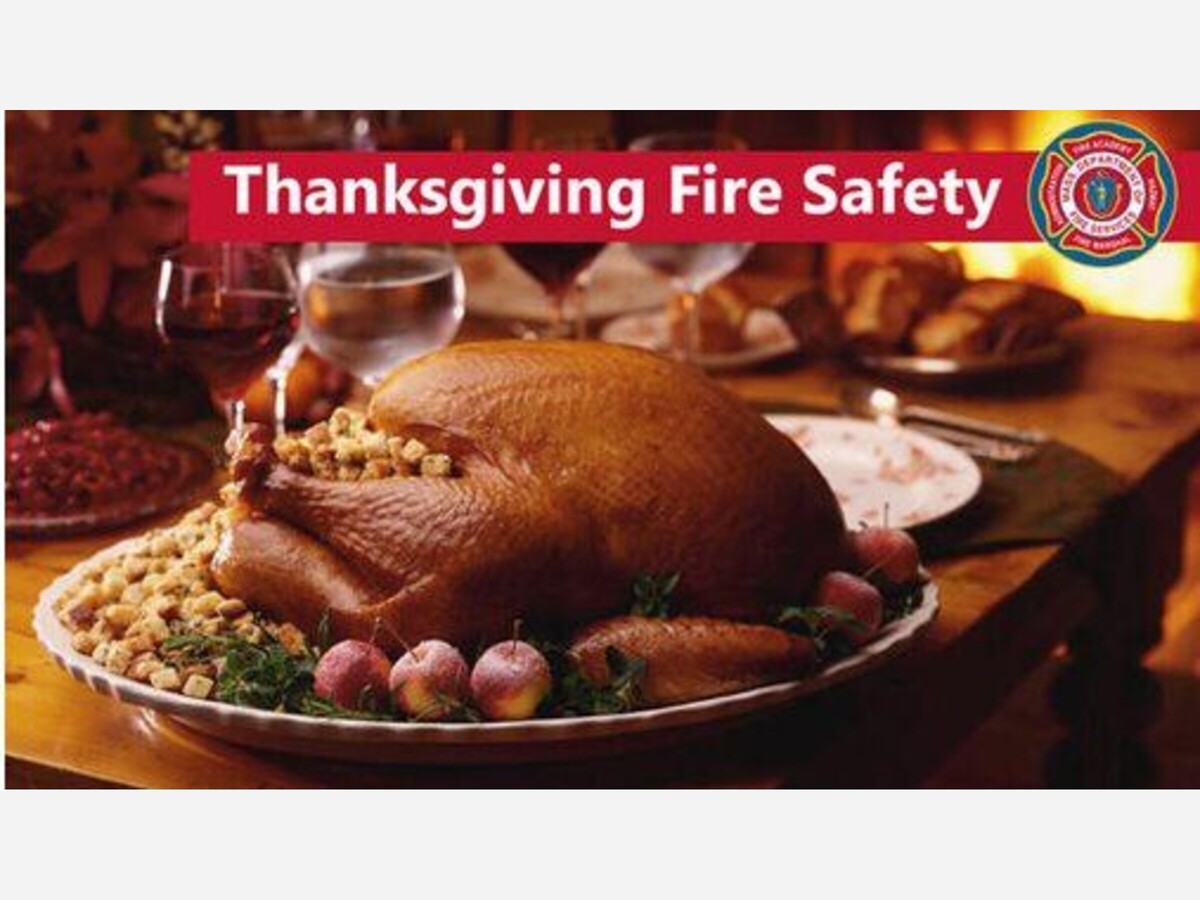
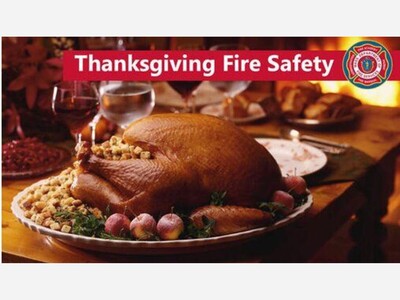
With Thanksgiving just days away, Massachusetts fire officials are reminding residents to stay safe in the kitchen on the #1 day for residential fires.
“We see about twice as many house fires on Thanksgiving as we do on any other day of the year,” said State Fire Marshal Jon M. Davine. “As we prepare to give thanks and spend time with our loved ones next week, remember that most of these fires can be avoided with a little planning and extra attention.”
“Don’t let a fire ruin this special day with your family and friends,” said Brockton Fire Chief Brian Nardelli, president of the Fire Chiefs Association of Massachusetts. “Firefighters love to eat, but we don’t want to end up in your kitchen on Thanksgiving.”
Thanksgiving Day Cooking Fires
Massachusetts fire departments reported more than 700 fires on Thanksgiving Day from 2021 to 2025. About 80% of them took place at home, and about 90% of these were cooking-related. That’s more than double the number reported on Christmas Eve, the second-leading day, during that period.
In 2025, residential cooking fires declined for the second year in a row, from 95 to 91 – maintaining a significant decline from the 124 cooking fires reported statewide in 2020. Fortunately, no injuries were reported last year, but damages were estimated at more than $260,000.
State Fire Marshal Davine and Chief Nardelli offered these safety tips that everyone can follow to stay fire-safe in the kitchen this year:
Smoke and Carbon Monoxide (CO) Alarms Save Lives
Keep it Clean:
Stand by Your Pan
Put a Lid on It
Buy It, Don’t Fry It
A devastating turkey fryer fire in New Bedford caused severe injuries and displaced almost 30 people in 2020. Fire safety experts strongly discourage the use of outdoor gas-fueled turkey fryers that immerse the turkey in hot oil. There are no outdoor turkey fryers that have a listing from an independent testing laboratory such as UL or ETL, and the risk of hot oil spilling or igniting is high. The National Fire Protection Association states that home use of “turkey fryers that use cooking oil, as currently designed, are not suitable for safe use by even a well-informed and careful consumer.” They recommend using new “oil-less” turkey fryers.
Gas Ovens: A Source of Carbon Monoxide
A properly used gas oven generally does not produce enough carbon monoxide (CO) to present any dangers, but it can present a hazard if used for several hours consecutively – such as when roasting a turkey. Use a kitchen exhaust fan if you have one; if not, crack a window for fresh air when using the gas oven for a prolonged period. Working CO alarms are vitally important to protect you and your loved ones from carbon monoxide poisoning.
Home Heating: #1 Source of Carbon Monoxide, #2 Cause of Fires
Heating is the second leading cause of fires on Thanksgiving and the primary source of carbon monoxide in the home. Have your furnace professionally checked each year, have chimneys cleaned and inspected by a professional at the beginning of heating season, and place space heaters on flat, lever surfaces where in locations where they won’t be bumped or tripped over. Keep a three-foot “circle of safety” free of anything that can burn around all heat sources.
For more information, contact your local fire department or the Department of Fire Services’ Cooking Fire Safety web page.



Sunny, with a high of 44 and low of 28 degrees. Sunny in the morning, cloudy in the afternoon, overcast during the evening, clear overnight.