25° and Clear
Image



By Olympia Caswell
Part3 -- We need more conversation, not less!
At this point in history, we’re so very divided! And don’t tell me it’s because of a certain president. These things have been brewing for the last 40 years…
It’s a fragile moment for our country. It’s not exaggeration to say that we’re amid an economic, social, and geo-political collapse. People are traumatized by political shifts, cultural change, and the uncertainty of a globalized world.
And in the process, we’ve become increasingly intolerant of other people’s opinions and beliefs. A January 2017 poll showed that because of the 2016 election, 1 in 6 people has stopped talking to a family member or close friend.
Because of this, I try hard not to discuss politics, but lately I find it difficult not to. Several years ago, a friend recommended this book by Arthur Brooks: Love Your Enemies: How Decent People Can Save America from the Culture of Contempt. I thought it was a religious book because of the Bible verse “Love your enemies and pray for those who persecute you…,” but it’s not a religious book at all.
Arthur Brooks contends that “the outrage industrial complex” – screaming heads on television, divisive politicians, angry campus activists, Twitter trolls, and so on – is the wrong answer for mending relationships and bridging the political divide. These vehicles only pit American against American, creating a culture of contempt where people see those who disagree with not as merely wrong but as worthless, defective, or evil. When we get to a point where we wish our political enemies would disappear go away, or die “it is easy to consider them less than human.”
I couldn’t agree more. The thing is, it’s fair to ask, how in the world did we get here? I’d have to say, the issues have a lot to do with it.
Immigration
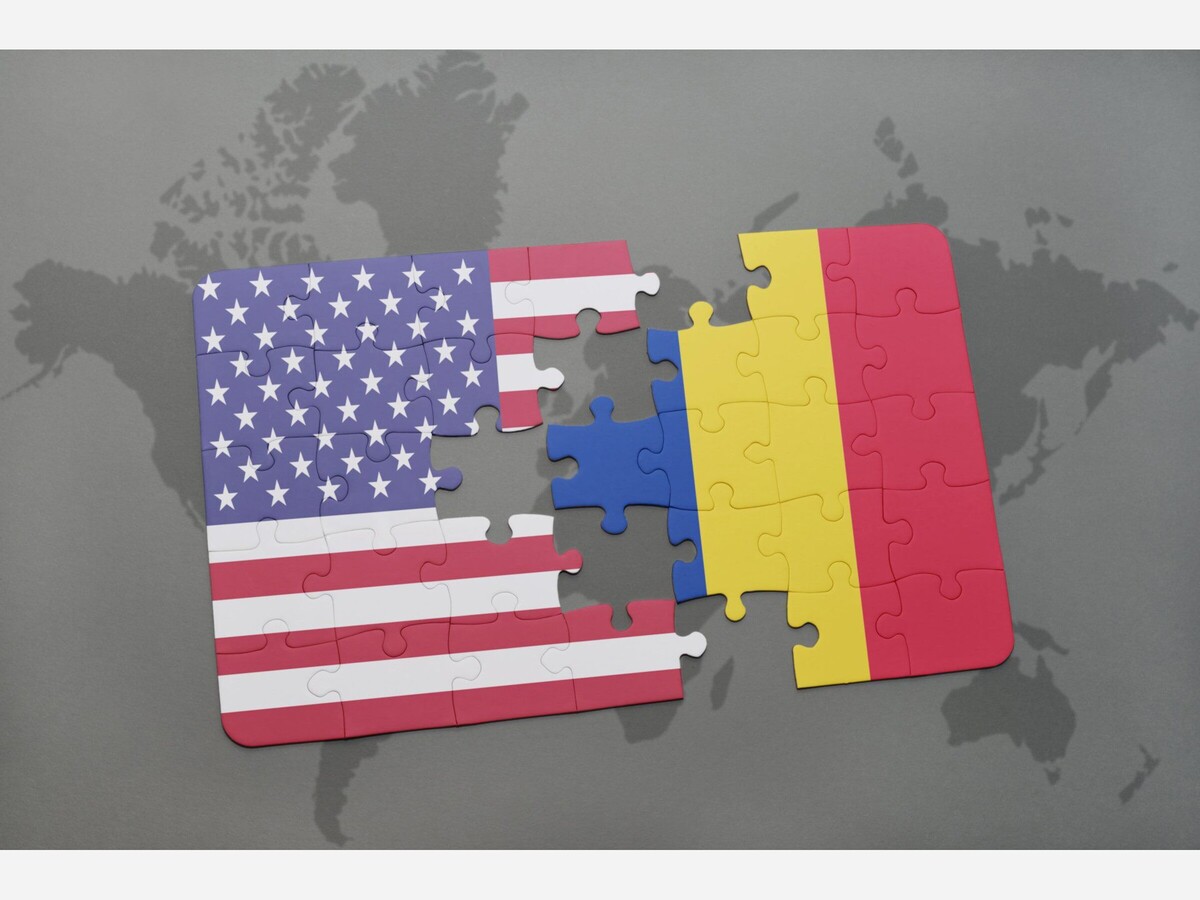
This topic came to mind first because as you know, I’m an immigrant. When I first came here in 1982, Ronald Reagan was president and there was a set process in place for becoming a legal citizen. Those seeking to move to America needed a sponsor who’d help them learn the language, find a place to live, and most importantly, get a job. This was the story for my own family, and many others like us.
After arriving in San Francisco, for example, my father’s first job was at a golf course working for $5 an hour. He was very proud of this. Meanwhile he learned carpentry skills and over time had enough money to buy his first home. He thought welfare checks were reserved for those who either couldn’t find work or were for some reason disabled. He was right.
In November of 1986 Ronald Reagan signed the Immigration Reform and Control Act which allowed immigrants who’d entered the U.S. illegally before January 1, 1982 to apply for legal status, provided they paid fines and back taxes. This provision allowed 3 million immigrants to secure legal status after paying $185, demonstrating “good moral character” and learning to speak English.
Today the numbers of Illegal immigrants are at the highest in history, and the immigration system – if one can even say there is one – is in complete chaos!
Finding the existing immigration policy is difficult and interpreting it even harder. Our president and the general leadership say the border is closed but know better. Open is more like it, with person after person pouring in and the border states overwhelmed.
Under these conditions, when the state of Massachusetts proposes giving illegals driver’s licenses, good people erupt. How is the RMV possibly qualified to do the vetting process?
An Oversexualized Culture
When I came to the US 40 years ago, there was little talk about sexual education in school, and on the home front parents had control over which movies and TV shows their children were exposed to.
At the college level it was a different story, with schools like Harvard and Yale sponsoring “Sex Week,” an event so popular that at Harvard it has its own website. As outrageous as that seemed to me, I still believed that at that age and with most parents paying, people were free to make their own decisions.
It was when sexualization came to our preschoolers that people took notice. I’ve talked to many Franklin parents about this issue, which the Covid lockdowns made them more aware of. Books like “Gender Queer” by Maia Kobabe, "The Bluest Eye" by Toni Morisson, and “Lawn Boy” by Jonathan Evison are a huge problem for most parents.
Most of them believe that they are responsible for the sexual education of their children, NOT the government, school boards, and politicians. When did this change? And why? What is the goal?
I don’t get it, and I’m certainly not alone.
Censorship
What were considered in the last 2-3 years to be conspiracy theories have proven to be the truth. Time and space don’t allow me to get into it, but we all know about the suppression of information, the censorship, and the silencing of dissenting voices online! I haven’t met one person who doesn’t see it. From person to person the extent
of what they see is the only thing that differs.
In the last couple of weeks, I had my own experience with censorship which involved Comcast and a link I’d sent in an email to my husband and a friend. The website I’d included in the email was https://www.fairandsecurema.com, the website Maureen Maloney created to gain support for a No vote on ballot Question 4. The email sent to my husband went into his spam folder and the one to my friend was never delivered.
I couldn’t believe that a big company like Comcast would actually read the body of my email, find a “problem” link and not deliver the message, so a few days later I called their security department, spending hours on the phone and getting nowhere. After the reps finally acknowledged that the link was considered spam and said there was nothing they could do, after a few days the problem was in fact, fixed, but only after causing potential damage to Maureen’s cause. [For more on this subject, see this link.]
None of these are small issues. These and many more have worked to erode the very foundations of our country, and the upset has been enormous.
There's a choice set before us, and the biblical account of David's facing Goliath expresses it well. At the prospect of David facing the giant, David's brother mocks him, but David's response was to ask, "Is there not a cause?" The word cause actually means "history," which brings to mind past history but implies too the history yet to be made.
Like David, a growing segment of the population has concluded that there IS a cause and the choice before them is to act or to remain passive. My own choice has been to get involved and move toward positive change.
As I said in a previous article, several months ago I joined the Franklin RTC. I have so admired the people in this group. They’re open to conversations, new ideas, and don’t demonize the opposing party. I’ve even seen libertarians, democrats, and many unenrolled voters attend our meetings. As a matter of fact, more independents are showing up for standouts and other volunteering efforts than republicans. I was particularly impressed with the civil and loving and respectful conversation Alan Earls and Rachel Plukas, the Franklin Republican and Democratic chair respectively, had with Frank Falvey. Watch it here to see for yourself.
Abraham Lincoln said in his first inaugural address: “We are not enemies, but friends. We must not be enemies. Though passion may have strained it must not break our bonds of affection. The mystic chords of memory, stretching from every battlefield and patriot grave to every living heart and hearthstone all over this broad land, will yet swell the chorus of the Union, when again touched, as surely, they will be, by the better angels of our nature.”
The Bible, which is my guide for life, says: “Love is patient and kind; love does not envy or boast; it is not arrogant or rude. It does not insist on its own way; it is not irritable or resentful; it does not rejoice at wrongdoing, but rejoices with the truth.”
The REAL answer lies in choosing to love one another, despite our differences.
And this doesn’t mean agreeing more, but having more genuine conversation. Our feelings toward our political opponents shouldn’t matter; in the end, what matters is how we choose to act.


Overcast , with a high of 34 and low of 23 degrees. Overcast in the morning, mist in the afternoon and evening, clear overnight.