14° and Clear
Image



In January, the Franklin Town Council heard from Town Administrator on the subject of Local Historic Districts, and referenced a presentation
on the subject developed by Reference Librarian Vicki Earls.
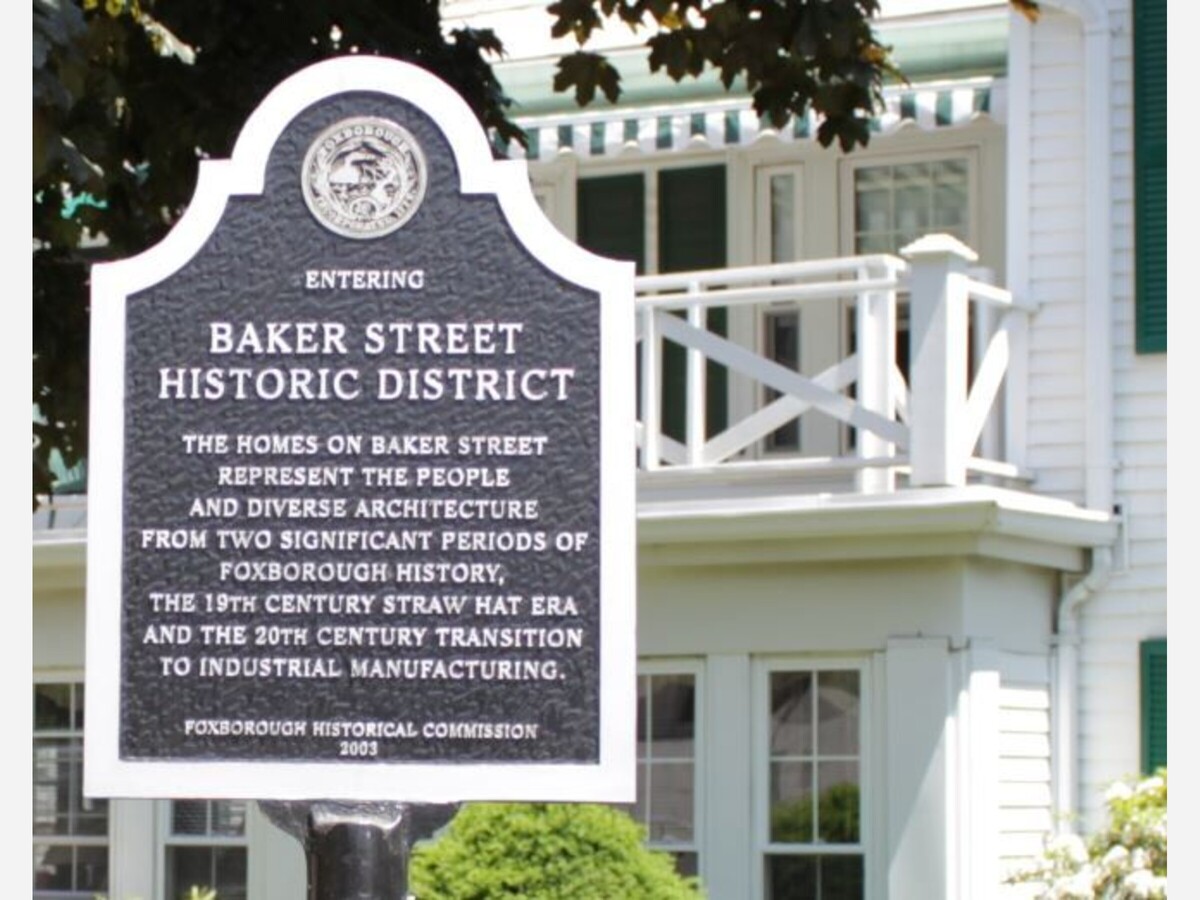
The short version is that National Historic Districts sound great – but offer no real protection for some of the most valued and historic structures located in the town. Local Historic Districts, authorized by the Massachusetts Legislature even before the creation of National Historic Districts, can give communities the power to decide what to protect and how. The process of adopting this measure and creating districts is complex, but experience in two other nearby towns, shows it can be done – and it can work well.
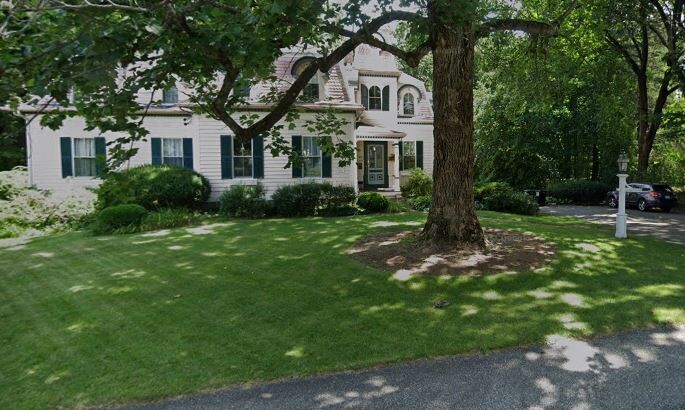
Kristian Edgar, Chair of the Foxborough Historic District Commission, has a special perspective, with parents that live on the street, as does she.
Edgar said, she had been involved from quite early in the process, joining the Commission as an associate in 2003. She later graduated to full member, vice chair, and is now chair. Edgar said she grew up on Baker Street, which is the center of the town’s sole historic district. It is a street with a variety of ages and types of homes, that are typical of Foxborough as a whole.
Once the Historic District Commission was up and running, Edgar said they began to publicize its existence and let people know about the regulations. Alas, she said, in Foxborough, many people seemed to have missed the memo and the years-long process that was involved in setting up the District – and were shocked when they went to make changes to their home and then learned they were in a district. “I don’t know where the disconnect was,” she said.
Those that had not understood the process now expressed ‘buyer’s remorse,’ she said. “A group of owners along Baker between Garfield and Chestnut reared their head and fought to get out of the Historic District.”
Although the state (Mass. Historical Commission) was ‘not happy’ with the change, the discontented did finally succeed in getting the Baker Street Historic District pared back. And those in that smaller district have since then been largely happy with the arrangement, according to Edgar.
“My parents own a house on the street and at one point they wanted to take of chimney but the architect on the Commission explained how the look of the chimney helped date and identify their property” – and that simple explanation was enough to convince her parents to keep it and maintain it, she said.
She said a recent practical problem for the Commission has been the same supply chain disruption that challenges so many parts of the economy. It has made it hard to be militant about strictly adhering to certain materials that may not even be obtainable.
The number of judgements asked of the Commission has also varied. Sometimes little or nothing has happened in the district for years on end. “Now we have boom in new buyers who want to make changes,” she said.
“We also had an instance of a realtor not disclosing to a buyer that their property was in a historic district,” she said. A hope was that the Commission could persuade the town to place a notice on all the deeds so that no one would misunderstand the matter – but so far, the town hasn’t been willing to spend the money required.
On the whole, though, Edgar said even “new” people, once they are educated about the District, are usually on board and glad for the advice the Commission is able to provide.
Then there is the problem that bedevils Franklin in cultural matters (with a Cultural Council, a Cultural District Committee, and Cultural District Partners). In the case of Foxborough, “Town Hall” was regularly confused regarding the identity and roles of the Historical Commission and the Historic District Commission, confusion that sometimes led to snafus. Likewise, turnover in inspectional services and the building department has led to a disconnect with homeowners and confusion regarding how changes get approved.
Edgar said that the Historic District Commission has worked hard to be fair and flexible. In one instance recognizing that replacing a historic door, especially during Covid, would be very burdensome. So, substitutions were allowed.
In another instance, a new owner with limited English, purchased a historic house and then immediately began putting up a pergola across much of the yard – in appropriate and unapproved, but done innocently.
Here again, said, Edgar, the Commission was patient, educated the homeowner and allowed the pergola to stay for now.
Edgar said, while there has been no push to create any additional historic districts in the town, “I think most people support it.”



Partly Cloudy , with a high of 25 and low of 5 degrees. Overcast in the morning, partly cloudy in the afternoon, clear in the evening,