53° and Patchy rain nearby



Image
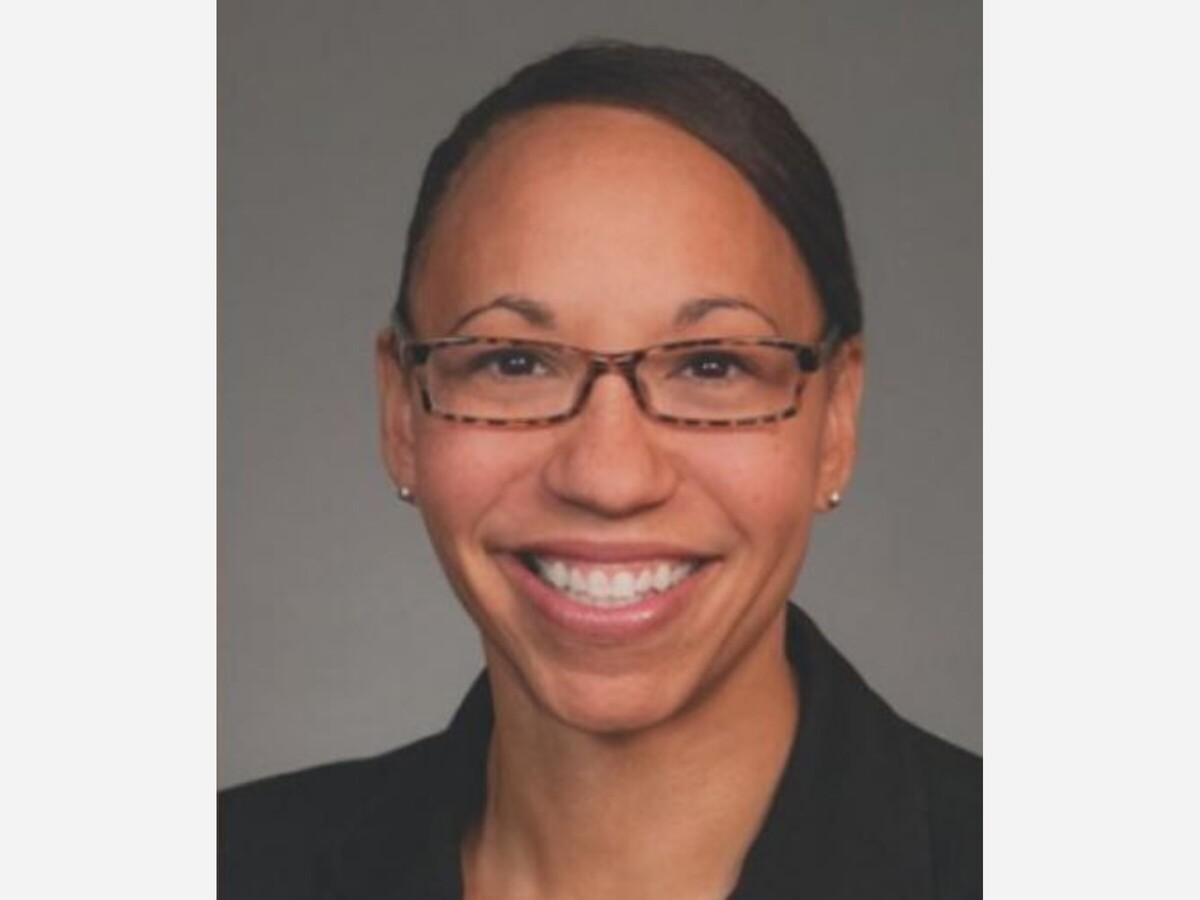
Gov. Maura Healey on Wednesday named a top lawyer from the Patrick administration to helm her Judicial Nominating Commission, a 27-member panel that will pre-screen applicants for open judgeships and other court positions. Governor Baker's eight-year reign had reduced the flow of Democrats to the bench, and many, reportedly including members of the legislature from the region, are eyeing potential appointments.
Now in a senior role at Fidelity Investments, Abim Thomas spent close to six years working in the corner office under Gov. Deval Patrick, ultimately as deputy chief legal counsel.
The Georgetown University Law Center graduate departed the State House in 2012 to join Goodwin Procter LLP. She also serves as clerk of the board of directors at Discovering Justice, a nonprofit that partners with schools and courts to teach students about the justice system.
One of her colleagues in the Patrick legal office, former chief counsel William "Mo" Cowan, lauded Thomas on Wednesday as someone who will be a "strong, clear, and effective leader for the JNC."
"She's quite familiar with the courts, court leadership, and their needs," Cowan told the News Service. "So I think she'll be a great resource for the governor and lieutenant governor as they try to identify qualified candidates to serve on the bench. Candidly, I think it's an important appointment as an African American senior legal leader who's willing to give of her time and her talents."
Healey's office called the new JNC roster "historically diverse," and a spokeswoman said the 27 commissioners include 17 women, 10 people of color, and three LGBTQ+ people.
Kathleen Henry, the executive vice president and general counsel at Eastern Bank, and Mark Fleming, co-chair of WilmerHale's Appellate and Supreme Court Litigation Practice, will serve as the commission's vice chairs, Healey's office announced.
The rest of the membership is drawn from across the legal spectrum, and includes representation from public defense and legal aid organizations, like Nancy Hathaway, senior trial counsel at the Committee for Public Counsel Services; CPCS trial attorney Elizabeth Rodriguez-Ross; and Laura Gal of Greater Boston Legal Services.
Two retired judges will sit on the panel, both of them Republican appointees to the bench: former District Court Judge John Payne Jr. was an appointee of Gov. Paul Cellucci, and former Appeals Court Judge David Mills, who has also served on the State Ethics Commission, was named to the bench by Gov. Jane Swift.
The other newly-named JNC members are: Gavin Alexander, Jackson Lewis P.C.; Kristen Bonavita, Law Office of Kristen Farrell Bonavita; Gerry D'Ambrosio, D'Ambrosio LLP; Ruth Deras, Law Office of Ruth Deras; Stephen Hall, Orrick, Herrington & Sutcliffe LLP; Peggy Ho, Commonwealth Financial Network; Kristin Knuuttila, Knuuttila Law; Francis (Jay) Lynch, Lynch & Lynch; Mikaela McDermott, Catholic Social Services; Daniel Mulhern, Nutter McLennen & Fish LLP; Lynette Paczkowski, Bowditch & Dewey, LLP; Sheriece Perry, Massachusetts Trial Court - Court Service Centers; Tatum Pritchard, Disability Law Center; John P. Pucci, Bulkley Richardson and Gelinas, LLP; Wendy Quinn, Hassett & Donnelly, P.C.; Mark W. Shaughnessy, Boyle Shaughnessy Law; Dolores Thibault-Muñoz, NewVue Communities; Linda Thompson, Thompson & Thompson PC; and Natashia Tidwell, Mintz.
Chair Thomas said in a statement that she looked forward to "work[ing] to install judicial officers who will uphold the law with intellect, integrity, sound judgment, and a strong work ethic to support the people of this Commonwealth."
The text of the executive order Healey signed Wednesday afternoon (E.O. 610), which sets up the commission and lays out its ground rules, is largely identical to the orders Gov. Charlie Baker handed to his JNC in 2015.
JNC members were already prohibited from accepting "a gift or anything of value" from judicial applicants or their immediate family members, unless they have a "bona fide friendship" and the JNC member recuses themselves. Healey appears to have added onto that language, prohibiting JNC commissioners from receiving gifts from applicants' business partners, as well.
Healey's JNC rulebook now specifies that the commission can consider applicants for "any vacancies" that exist, in contrast to Baker's order which said applicants would be considered "in connection with the vacancies for which they have applied."
Healey also retained some longstanding ethics rules, like prohibitions against lobbying JNC members or the governor's office for an appointment, and a prohibition on making political campaign donations to the governor, lieutenant governor, or Governor's Council members after applying for a court position.
After an applicant has been screened by the JNC and nominated by the governor, they appear before the elected eight-member Governor's Council for further review, a public interview, and a final confirmation vote.
Some council members, who are elected by the largest political districts in the state and hold public, livestreamed hearings, in recent years have voiced concerns about the amount of power wielded by the JNC which conducts its pre-vetting activities in relative secrecy.
"Our goal is to ensure that those serving on our courts are committed to justice and equality, and that they are representative of the vibrant, diverse communities they serve," Healey said in a statement. "We're proud to be appointing this experienced, dedicated group to the Judicial Nominating Commission, who I know I can count on to advise me on nominating the best judges to serve the people of Massachusetts."


Cloudy , with a high of 72 and low of 40 degrees. Sunny in the morning, partly cloudy during the afternoon, overcast for the evening, fog overnight.