

Image
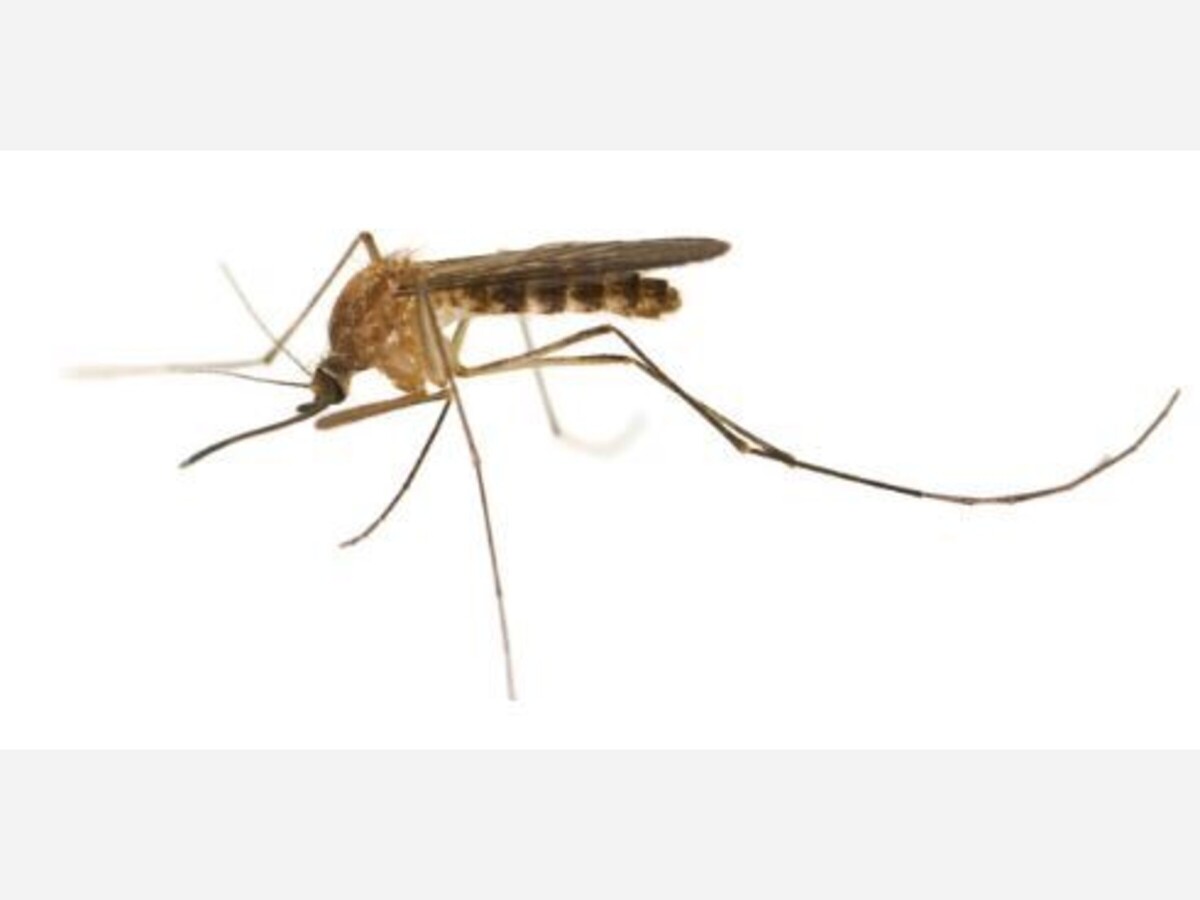
The Massachusetts Department of Public Health (DPH) today announced the first two human cases of West Nile virus (WNV) in state residents this year. One individual is a female in her 70s who was exposed to the virus in another part of the country. The second individual is a male in his 40s who was exposed in Middlesex County, an area already known to be at moderate risk.
Over the border in Rhode Island EEE has been confirmed along with West Nile.
The risk of human infection with WNV is moderate in the Greater Boston area (Middlesex, Norfolk, and Suffolk counties), and in parts of Berkshire, Bristol, Hampden, Hampshire, Plymouth, and Worcester counties. There are no additional risk level changes indicated at this time.
“This is the first time that West Nile virus infection has been identified in Massachusetts residents this year,” said Public Health Commissioner Robert Goldstein, MD, PhD. “August and September are the months when most people are exposed to West Nile virus in Massachusetts. Populations of mosquitoes that can carry and spread this virus are fairly large this year and we have seen recent increases in the number of WNV-positive mosquito samples from multiple parts of the Commonwealth.”
In 2022, there were eight human cases of WNV infection identified in Massachusetts. WNV is usually transmitted to humans through the bite of an infected mosquito. While WNV can infect people of all ages, people over the age of 50 are at higher risk for severe disease. Most people infected with WNV will have no symptoms. When present, WNV symptoms tend to include fever and flu-like illness. In rare cases, more severe illness can occur.
“We are coming to the unofficial end of summer but mosquitoes with West Nile virus will persist for several more months,” said Dr. Catherine M. Brown, State Epidemiologist. “To avoid mosquito bites, use a repellent with an EPA-registered ingredient, wear clothing to reduce exposed skin, drain standing water and repair window screens. We also encourage everyone to regularly visit DPH’s mosquito-borne diseases web pages to stay informed on when and where WNV activity is occurring.”
More information, including all WNV and EEE positive results, can be found on the Arbovirus Surveillance Information web page at Mosquito-borne Diseases | Mass.gov, which is updated daily, or by calling the DPH Division of Epidemiology at 617-983-6800.


Sunny, with a high of 43 and low of 25 degrees. Sunny during the morning, overcast during the afternoon and evening, clear overnight.