Image
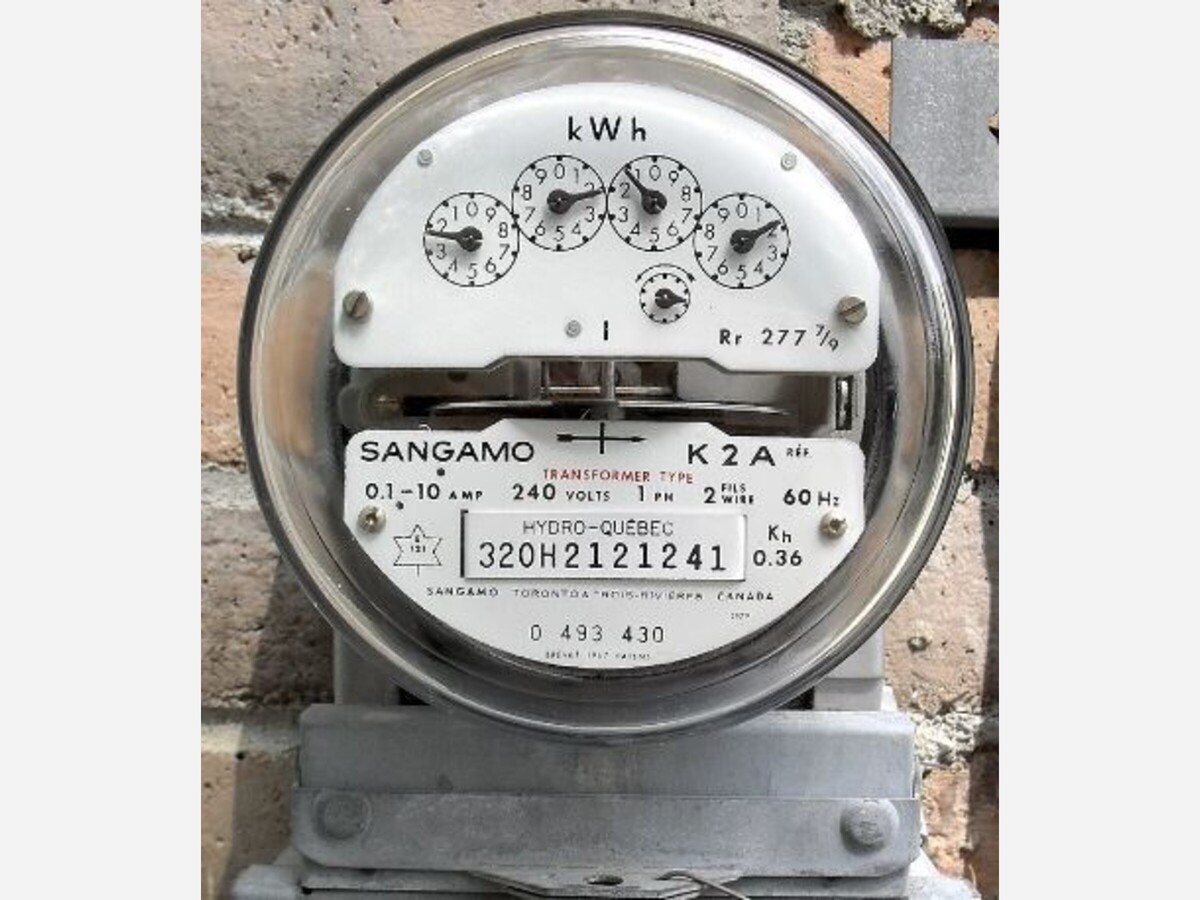



Reversing course on many cherished green regulations, Gov. Maura Healey is proposing to eliminate or significantly reduce charges on energy bills, open the door to new nuclear energy technologies and make nuts-and-bolts changes to electricity procurement and supply practices in an attempt to save ratepayers $10 billion over a decade.
The bill the governor unveiled Tuesday in Leominster would allow Massachusetts to procure energy directly, which would eliminate fees the state pays utilities for entering into those contracts, and, only a few years after the state eliminated its last nuclear power plant, she also vowed to "explore cutting edge nuclear technologies," the governor's office said. The Bill also seeks to reduce the value of net metering credits for new and large solar hookups or other facilities that transfer energy back to the grid in exchange for a bill credit.
The governor's bill would also require the Department of Public Utilities to review and reform all charges on energy bills, and establish a cap on month-to-month bill increases. Energy bills soared for many Bay Staters this winter, leading Healey to shave $50 off April electricity bills and announce a series of executive actions in March designed to address the issue.
"Massachusetts families and businesses can't afford big energy price spikes now, or in the future. This bill – along with our energy affordability agenda – gets costs off bills, saves people money, and adopts an all of the above strategy to bring new energy into Massachusetts," she said Tuesday.
Healey's office detailed where it expects to find savings over the next decade, identifying "Getting Costs Off Bills and Avoid Unnecessary Costs" (about $6.9 billion in savings), "Creating Accountability" ($2.5 billion), and "Supporting the Customer" ($900 million) as the three main buckets of savings.
Shifting to utilities the ability to finance the Mass Save efficiency program, Electric Sector Modernization Plans, storm response, and other programs through rate reduction bonds would lead to "the ability to reduce ratepayer costs by up to $5 billion in the first 10 years," Healey's office said.
Lower net metering credits would mean a lower net metering surcharge on bills, estimated to save customers an estimated $380 million over the 10 years, and phasing out the Alternative Portfolio Standard charge is expected to save ratepayers at least $60 million a year.
The accountability-related measures include authorization for DPU to audit the utilities and ban the use of ratepayer funds for costs not associated with providing energy to customers, a streamlining of government processes and the establishment of a variety of consumer protection standards.
The watchdog group, Massachusetts Fiscal Alliance, took a dim view of the whole thing.
In a statement, the group wrote, for years, the Healey administration and its allies have denied that Massachusetts’ alternative energy mandates were contributing to Massachusetts’s highest in the nation electricity prices. But now, under the guise of affordability, the Governor is proposing to roll back charges like the Alternative Portfolio Standard and cut back on net metering credits, policies her administration once championed and insisted were not inflating costs.
“That’s not reform. That’s a confession,” noted Paul Diego Craney, executive director of MassFiscal.
“This plan is political window dressing. Governor Healey is trying to calm public outrage over sky-high electric bills without making any of the tough decisions needed to actually lower them. This bill gives more power to the same bureaucrats that created this mess and asks ratepayers to trust them again," Craney added.



Sunny, with a high of 43 and low of 25 degrees. Sunny during the morning, overcast during the afternoon and evening, clear overnight.