25° and Clear
Image
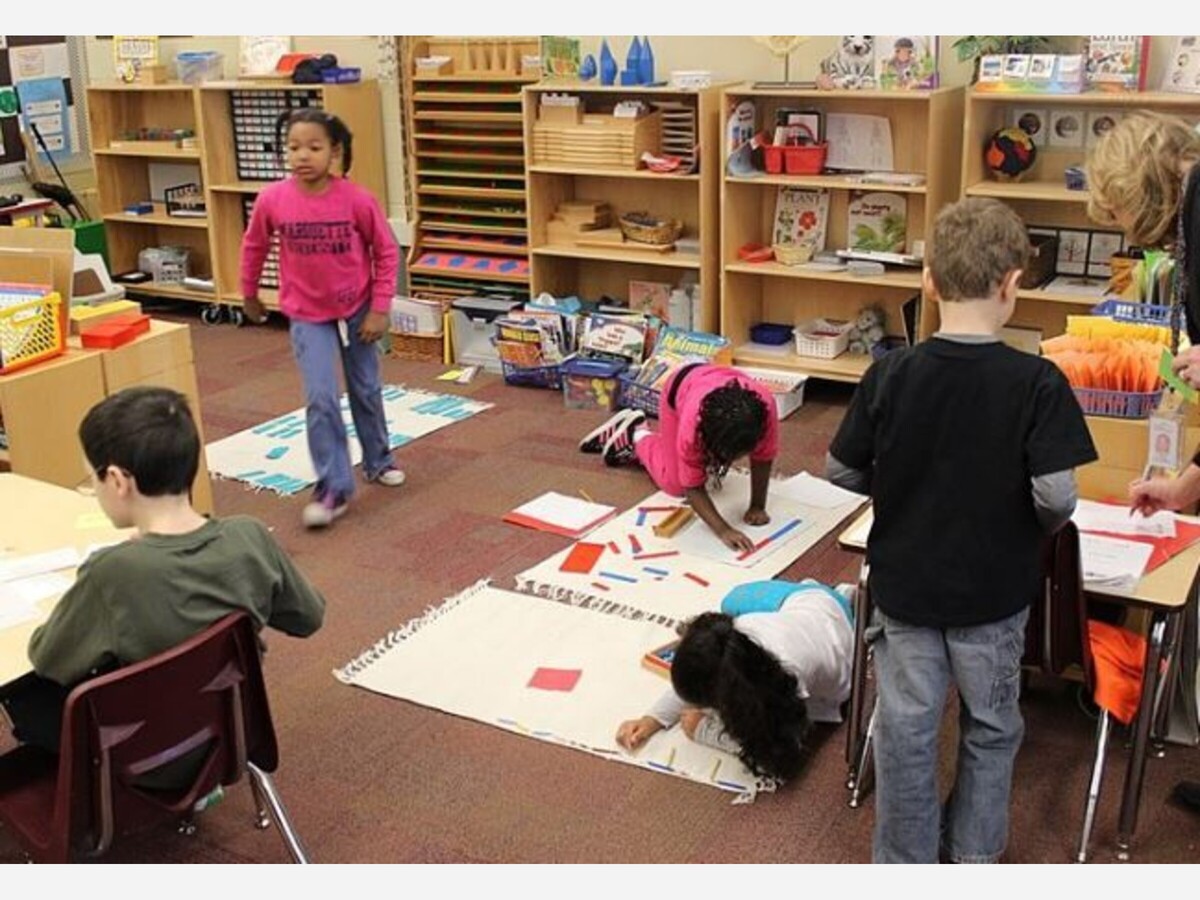



Above, a Montessori classroom in Indiana.(creative commons image)
Despite Massachusetts families’ strong interest in alternative to traditional educational models, entrepreneurs seeking to establish innovative learning environments face significant challenges, according to a new study published by Pioneer Institute.Across the country, the creation of small learning environments such as microschools, hybrid schools, learning pods and homeschool coops is on the rise, but the data suggest that Massachusetts lags many states in the growth of this new education sector.
“The number of students in and on waitlists for charter and virtual schools, as well as the high percentage of children attending private schools, seem to indicate an appetite for alternatives to public schooling,” said Lynn Swanson, who authored “Massachusetts Can Do More to Encourage Education Entrepreneurship” with Amar Kumar and Bill Heuer.Both supply- and demand-side barriers inhibit the growth of educational innovation in Massachusetts.
“One-size-fits-all education doesn’t work for a growing number of children—as can be seen in Massachusetts’ steep decline in academic performance and the traditional public schools’ response to the pandemic,” said Jim Stergios, the Institute’s executive director. “Massachusetts families want more choices, but red tape is holding them back We’re seeing promising models of individualized learning take off around the nation, and it’s time Massachusetts made space for them, too.
”The authors’ supply-side recommendations include making childcare regulations easier to navigate, easing the private school approval process, right-sizing zoning requirements and facilitating alternative ways to achieve fire safety.On the demand side, Swanson, Kumar and Heuer also recommend funding formulas under which money follows the child and creating policies that recognize the existence of educational options beyond traditional public and private schools.

Overcast , with a high of 34 and low of 23 degrees. Overcast in the morning, mist in the afternoon and evening, clear overnight.