

Image
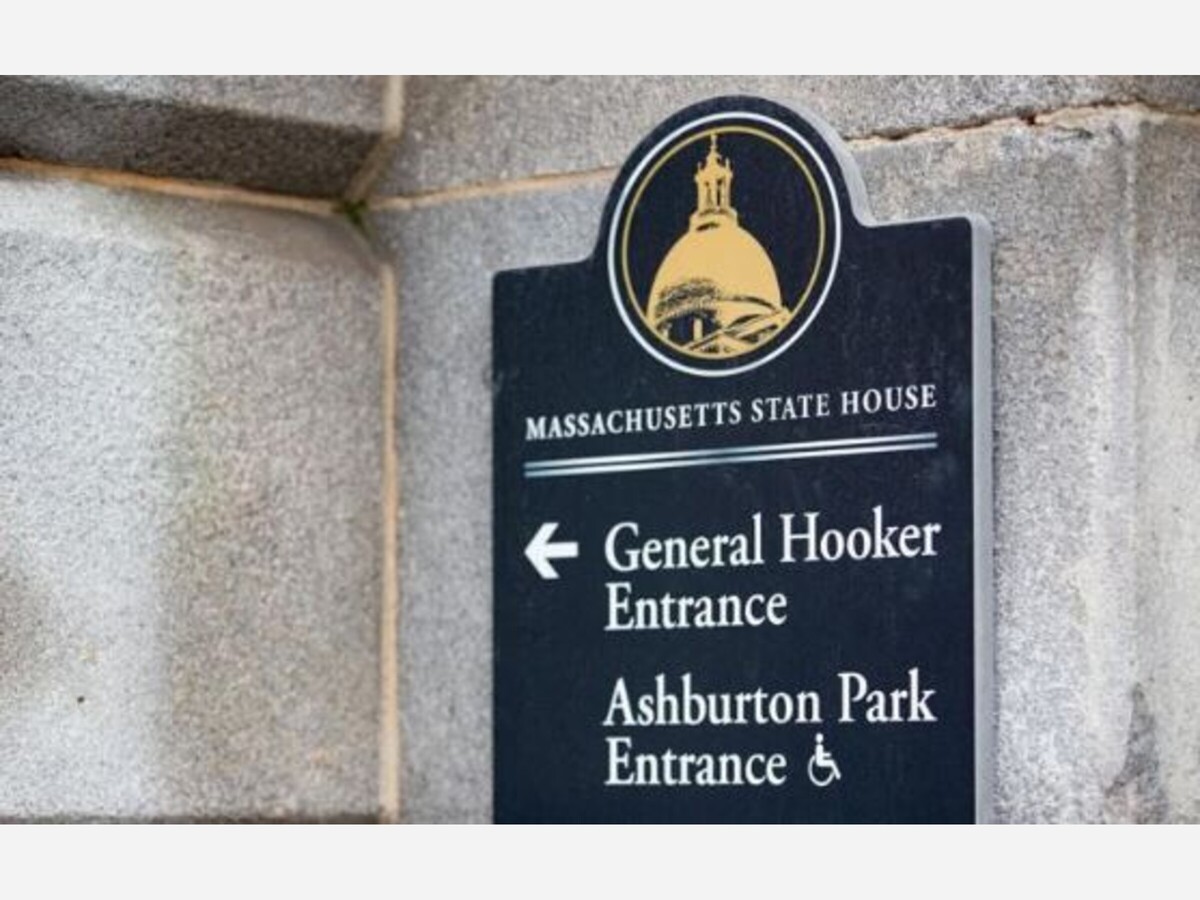
One influential small business industry group remains unhappy with a new mandatory retirement program the Legislature included in the state budget it passed Monday, slamming it as an example of a "conflict" between Beacon Hill's rhetoric and policy.
The National Federation of Independent Business doubled down on its frustration over the so-called Secure Choice Savings Program that would be created by the fiscal 2026 budget on Gov. Maura Healey's desk.
Under that program, employers with 25 or more workers who do not already offer a qualified retirement plan would need to automatically enroll employees in a retirement fund and redirect payroll deductions from each participating employee.
Businesses would not need to pay toward the fund themselves, but they would be responsible for enrolling workers and could face penalties -- starting at $250 per employee per year -- for failing to do so. Workers could opt out or change their contribution amount.
Christopher Carlozzi, Massachusetts state director for NFIB, on Monday said the Legislature "blatantly shoehorned a major policy change without any oversight or public input" into the budget.
"Small businesses already deal with a plethora of state-imposed payroll deductions ranging from [unemployment insurance] taxes to [paid family and medical leave], as well as a new pay transparency mandate, they do not need the additional burden and compliance costs of yet another," Carlozzi said in a statement.
The House quietly attached the measure to the budget via a mega-amendment in the spring, and legislative negotiators embraced it in the final spending plan.
Supporters have said the program could help Bay State employees at smaller businesses who do not have access to 401(k)s or other long-term savings plans. Research has found only about half of workers ages 25 to 64 participate in an employer-sponsored 401(k) or defined benefit pension plan.
"NFIB supports efforts to identify barriers to retirement savings, especially given the prevalence of low-cost savings options already available in the marketplace," Carlozzi said. "However, we do not support another payroll mandate on employers forcing them to manage and administer a new state-run program or face hefty fines and lawsuits."



Sunny, with a high of 43 and low of 25 degrees. Sunny during the morning, overcast during the afternoon and evening, clear overnight.