Image



Sam Drysdale | SHNS
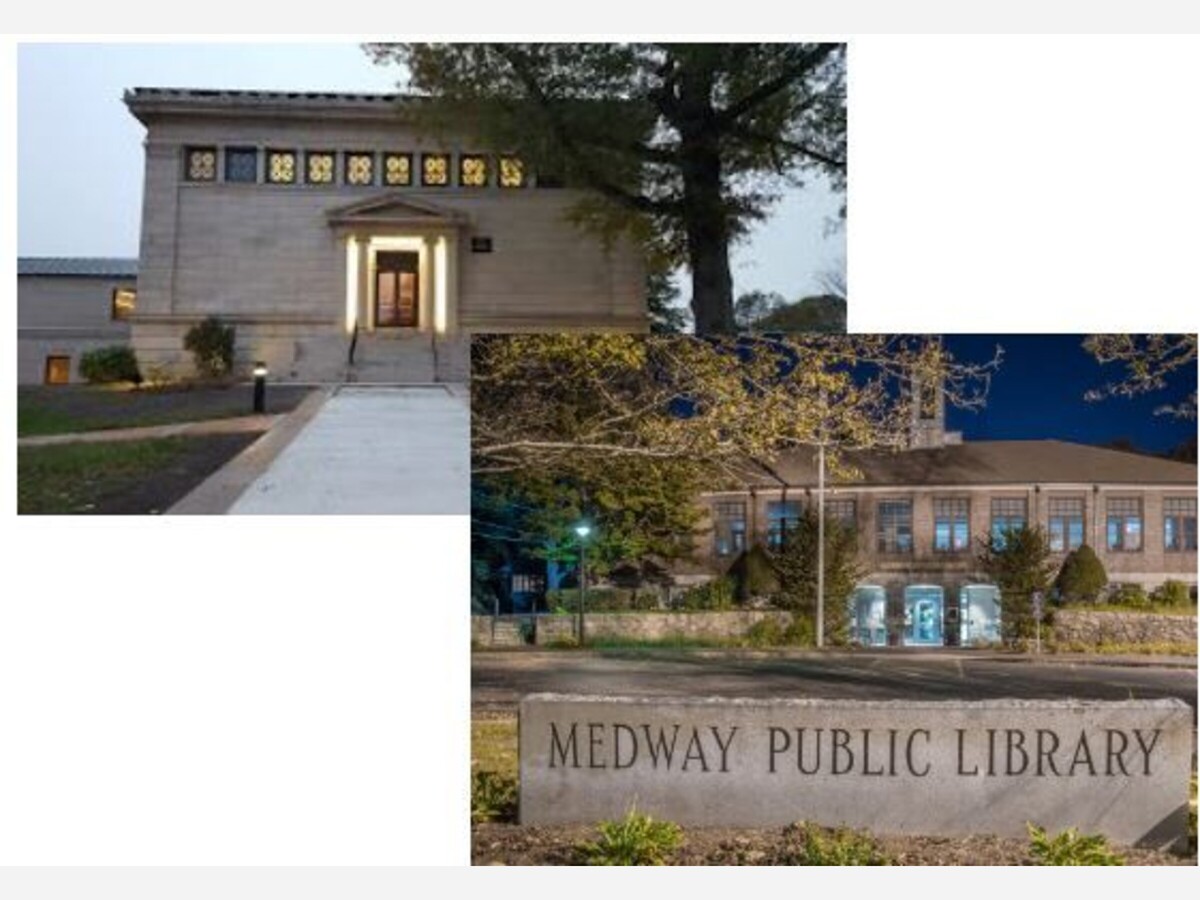
Summer reading programs, English language classes, online research databases used in public schools across the state, free newspaper archives, e-book access, and GRE and career prep resources are on the chopping block as a cut to federal funding is poised to hit Massachusetts libraries from Franklin and Medway to giants municipal libraries like the Boston and Worcester public libraries.
"Every library in every community will be impacted," said Maria McCauley, Cambridge's director of libraries and American Library Association president-elect, told the House Committee on Federal Funding, Policy and Accountability during a hearing Tuesday.
"The only fiscally responsible path for the [Massachusetts Board of Library Commissioner] is to plan for no federal funding," Maureen Amyot, the MBLC director, said.
Local taxes typically cover the largest portion of local library funding. State direct appropriations and grants, and IMLS federal grants, support a smaller portion of various library programs and services.
Still, officials said libraries here are already feeling the impacts of federal cuts.
The MBLC received $3.6 million from IMLS in fiscal year 2025, Amyot said. Of that, about $2.2 million went to funding databases for students and library patrons. These databases include Encyclopedia Britannica, The Boston Globe archives, online language learning platforms for residents to learn English, and early literacy programs. About 60% of database usage comes from schools.
Starting July 1, Amyot said the state agency is only able to retain four of the 34 databases it had been providing.
"As one western Mass. teacher recently told me, our public schools could not teach the state and federally mandated curriculum to our students without the resources provided through the MBLC. The very resources we've been forced to cut," she said.
Later in the hearing, Amyot told lawmakers she has been trying to get information out about the funding cuts and their impact on services, but it's been difficult to get attention on the topic.
"I think the impact will be felt the most once the school year starts and our schools don't have access to those databases anymore," she said.
The state's fiscal year 2026 budget also made a cut to an MBLC line item. The state budget level-funded most of its programming, but cut funding for agency staff and operations. The agency has 23 employees, 13 of whom are paid fully or partially with federal funds, raising concerns about both state and federal cuts impacting the agency's ability to remain staffed at current levels.
Amyot told lawmakers MBLC canceled 12 workshops for Perkins School for the Blind to help make library websites more accessible; and canceled grants to 18 municipalities for programs such as literacy for incarcerated individuals, English second language and citizenship classes, and increasing accessibility at libraries for physically disabled patrons.
The federal funding cuts are part of the Trump administration's larger efforts to downsize the federal government, which he has said commits fraud and wastes taxpayer money.
"President Trump was given a clear mandate by the American people, and his Executive Order delivers on that by reducing federal bureaucracy," a Trump administration official told POLITICO about the IMLS cuts. "This restructure is a necessary step to fulfill that order and ensure hard-earned tax dollars are not diverted to discriminatory DEI initiatives or divisive, anti-American programming in our cultural institutions."
The Boston Public Library lost two major grants — a $150,000 National Endowment for Humanities grant which supported digitization of local historical newspapers across the state was canceled in January; and more recently the library lost a $350,000 grant to digitalize historical maps and make them accessible to K-12 schools and for exhibitions related to the nation's 250th anniversary and Boston's 400th commemorations.
"I'm appalled, quite frankly, I'm absolutely appalled," Rep. David Linsky of Natick said. "What concerns me is that in towns that I represent, Natick and Wayland, are probably able to backfill, quite frankly, the funding. But we're unusual in that. And I'm very concerned for those communities that are not going to be able to do that. And that's unfair."
McCauley warned libraries could lose access to internet hot spots, funded through the Digital Equity Act signed by President Joe Biden, if a resolution to repeal the Federal Communication Commission's E-rate program passes. It has cleared the U.S. Senate and awaits a vote in the House.
U.S. Sen. Ted Cruz of Texas, who introduced the Congressional Review Act resolution which seeks to repeal the FCC program, said it's an example of federal overreach that "opens up children to real risks of abuse" due to insufficient broadband restrictions, according to Broadband and Breakfast.
McCauley said the loaned-out hot spots are ways to connect students, job-seekers, and other library patrons with remote learning, telehealth or the ability to fill out online job applications if they cannot afford home internet.
More than 800 library applications for around 200,000 hot spots across Massachusetts are frozen as the state waits to see what will happen on the federal level, she said.
"Digital equity work is far more than lending and distributing services," McCauley said. "It's a bridge across the digital divide, a community tool and a lifeline. Without federal funding, patrons will lose life changing access to the resources and skills building necessary to live and work in today's digital age."


Patchy rain nearby, with a high of 61 and low of 54 degrees. Overcast during the morning, patchy rain nearby in the afternoon, mist overnight.