53° and Patchy rain nearby
Image
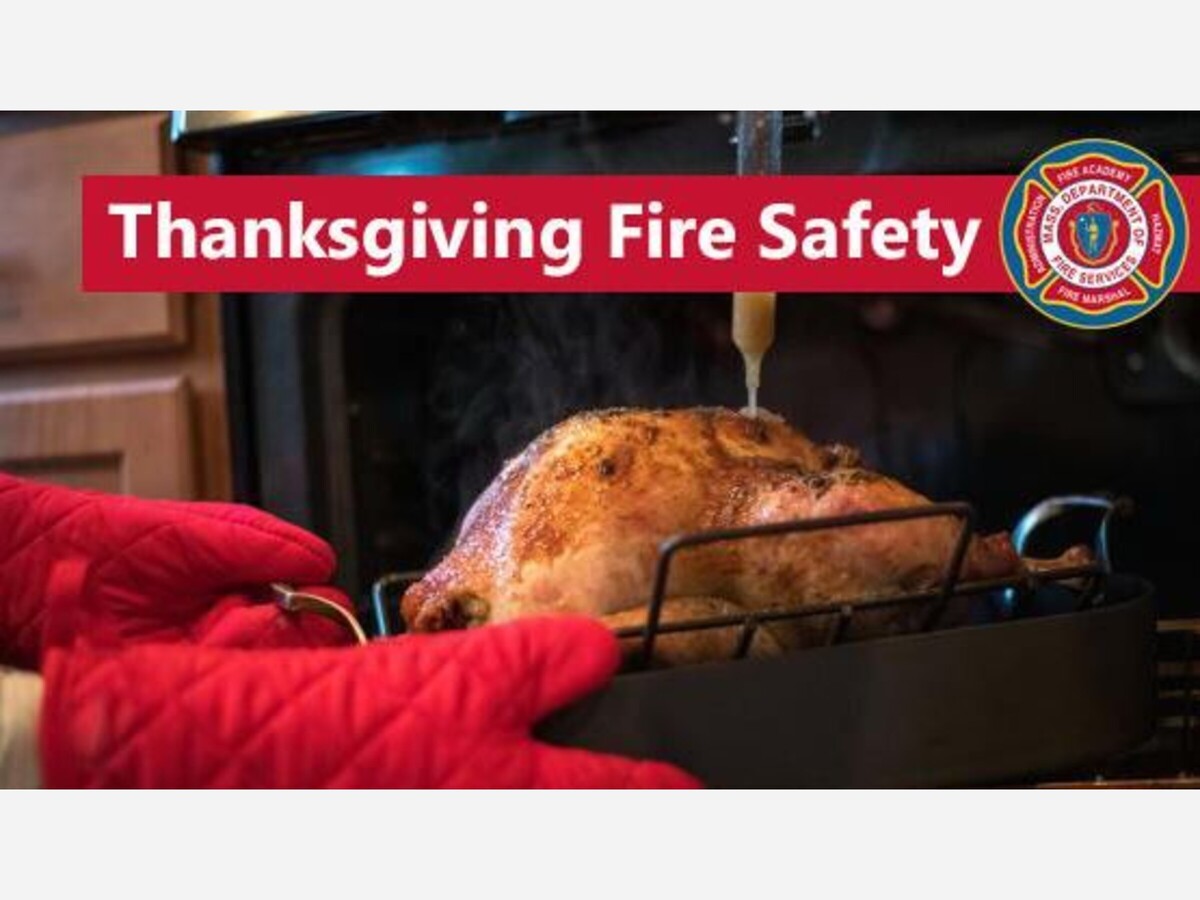



Thanksgiving is just days away, and State Fire Marshal Jon M. Davine is reminding residents to stay safe in the kitchen on the #1 day for home fires in Massachusetts.
“Thanksgiving is a cherished time to spend with family and friends, but it’s also the leading day for fires at home,” said State Fire Marshal Davine. “About twice as many residential fires are reported in Massachusetts on Thanksgiving as on any other day. Don’t let a fire ruin this special day with your family and loved ones. Practice fire safety when cooking and heating your home, and be sure you have working smoke and carbon monoxide alarms that can alert you to danger.”
Thanksgiving Cooking Fires
There were 523 Thanksgiving Day cooking fires in Massachusetts from 2020 to 2024. That’s more than double the number reported on Christmas Eve, the second-leading day, during that period. Since 2021, Thanksgiving cooking fires have held about steady at around 100 per year – maintaining a significant decline from the 125 cooking fires reported statewide in 2020. Fortunately, no injuries were reported last year, but damages were estimated at more than $830,000.
State Fire Marshal Davine offered cooking safety tips that everyone can follow to stay fire-safe in the kitchen this year:
Smoke and Carbon Monoxide (CO) Alarms Save Lives
Keep it Clean:
Stand by Your Pan
Put a Lid on It
Buy It, Don’t Fry It
A devastating turkey fryer fire in New Bedford caused severe injuries and displaced almost 30 people in 2020. Fire safety experts strongly discourage the use of outdoor gas-fueled turkey fryers that immerse the turkey in hot oil. There are no outdoor turkey fryers that have a listing from an independent testing laboratory such as UL or ETL, and the risk of hot oil spilling or igniting is high. The National Fire Protection Association states that home use of “turkey fryers that use cooking oil, as currently designed, are not suitable for safe use by even a well-informed and careful consumer.” They recommend using new “oil-less” turkey fryers.
Gas Ovens: A Source of Carbon Monoxide
Generally, the confined space of a closed gas oven does not produce enough carbon monoxide (CO) to present any dangers, but it can present a hazard if used for several hours consecutively – such as when roasting a turkey. If you have a kitchen exhaust fan, use it; if not, crack a window for fresh air when using the gas oven for a prolonged period. Working CO alarms are vitally important to protect you and your loved ones from carbon monoxide poisoning.
Home Heating: #1 Source of Carbon Monoxide, #2 Cause of Fires
Heating is the second leading cause of fires on Thanksgiving and the primary source of carbon monoxide in the home. Give your furnace an annual check-up, have chimneys cleaned and inspected by a professional at the beginning of heating season, and place space heaters on flat, lever surfaces where in locations where they won’t be bumped or tripped over. Keep a three-foot “circle of safety” free of anything that can burn around all heat sources.
For more information, contact your local fire department or visit the Department of Fire Services’ Thanksgiving web page.


Cloudy , with a high of 72 and low of 40 degrees. Sunny in the morning, partly cloudy during the afternoon, overcast for the evening, fog overnight.