51° and Overcast



Image
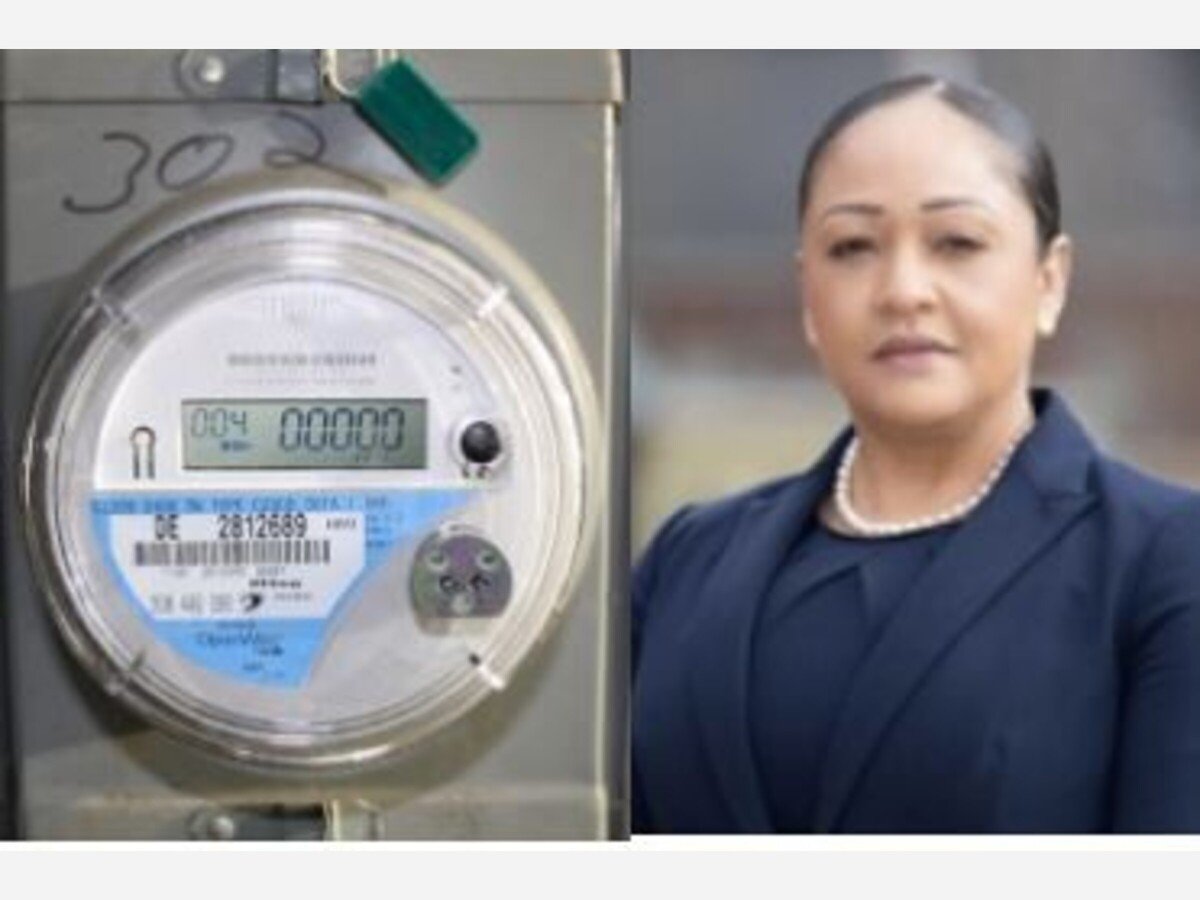
Above, Rep Reyes and a smart meter.
A group of legislators and advocates see an invasion of privacy, hacking risks, and even health impacts in the state’s current drift toward so-called “smart metering” of utilities, particularly for electrical services.
They are calling attention to sister bills H.3551 and S. 2306 "An Act relative to smart meters," which must be reported out by December 3rd. The bill was presented by Lawrence Rep. Estela A. Reyes, from 4th Essex District, with support fromJames C. Arena-DeRosa (8th Middlesex), Dennis C. Gallagher (8th Plymouth), and John R. Gaskey (2nd Plymouth).
Smart meters use radiofrequency (RF) radiation to send utility companies billing information about electricity, water, and gas consumption, and connect users to the Internet of Things.
They say, smart meters impinge on privacy and personal liberty issues as they transmit information about your daily living including when someone is home and which appliances and devices you are using. Utility companies can share this data with contractors and government agencies, and your data can also potentially e hacked as it transmits through the air.
If these bills are passed, utility companies will have to provide a choice of meter type, to include an electromechanical analog meter with no RF radiation. They would also not be able to charge folks for this choice. Vermont has had a no-fee opt-out since 2012 and we should too.
Written consent would be required for the installation of any wireless meters. Within 90 days of passage of this bill, companies would need to give written notice to all customers as to whether their home currently has a “smart meter.”
Green Mountain Rebellion
Supporters cite the success of similar measures in Vermont. Vermont does not have a complete ban on smart meters, but it does have a law that prevents utilities from charging an opt-out fee for customers who refuse one. This law, passed in 2018, means that a customer can opt out of a smart meter without incurring an additional monthly charge, and a conventional meter will be installed instead.
The law indefinitely prohibits utilities from charging customers a fee for opting out of a smart meter installation. Customers have the right to refuse a smart meter without being penalized and if a customer opts out, a traditional, non-communicating meter will be installed in its place.
Before the 2018 law, some utilities had planned to charge a monthly fee to customers who refused smart meters. Other states have different policies, ranging from opt-out programs with fees to mandatory installations.
Existing smart meters in Massachusetts provide near real-time readings that are transmitted automatically to utility companies like National Grid and Eversource. Customers can access their energy usage data through the utility's online account or mobile app, which provides up-to-date information within minutes.
Instead of a manual reading, smart meters transmit usage data automatically and securely through a wireless network and you can view your energy usage data within minutes, allowing you to better understand and manage your consumption, potentially lowering your bill.
Smart meters also allow utility companies to more quickly identify and respond to power outages
On the other hand, smart meters are also used to impose peak rates through time-of-use (TOU) or dynamic pricing. They enable utilities to adjust electricity prices based on real-time demand, making electricity more expensive during peak hours and cheaper during off-peak hours. This encourages consumers to shift their energy use to off-peak times to save money. By charging more during peak hours, utilities encourage customers to reduce their consumption during those times. This helps to "smooth out" demand peaks and can reduce the need for expensive and polluting "peaker" power plants.
Consumers who shift their energy use to off-peak hours can save money but those who do not or cannot shift their consumption may face higher bills, especially if they are on a mandatory TOU plan. Some utilities may also add new charges, such as demand charges, which are based on the highest energy usage in a short period, reports Australian consumer organization, CHOICE.
If you have a concern about metering, let your legislator know.



Overcast, with a high of 66 and low of 52 degrees. Overcast in the morning,