

Image

Image from Little Orphan Annie and the Haunted House (1926)...
No, not the `leapin lizards' that so concerned Little Orphan Annie, but Asian jumping worms, a fast-spreading invasive species known scientifically as Amynthas agrestis. They have been reported in 38 states, including Massachusetts, raising growing concern among environmental officials. Nicknamed Alabama jumpers, Jersey wrigglers, wood eels, and crazy snake worms, the worms are notable for their vigorous movement and ability to spring several inches — sometimes up to a foot — when disturbed.
In Massachusetts, infestations have been identified on conservation lands in Sudbury and Framingham and other protected parcels. Officials say the worms are commonly spread through the movement of compost, soil, mulch, and fill material, allowing them to establish themselves quickly in new areas. in Franklin, Conservation Agent Breeka Li Goodlander has spotted the critturs at the Sculpture Park -- and likely they are in other locations, too.
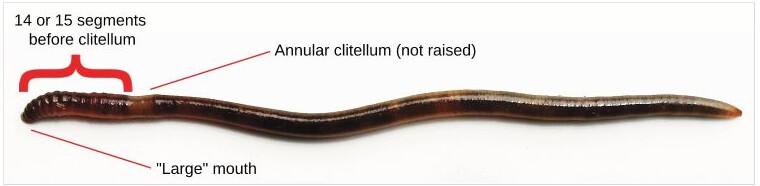
Once established, Asian jumping worms are extremely difficult to eradicate. However, their populations can be reduced and their spread slowed through early detection and manual removal of adult worms. Environmental officials recommend collecting visible worms and sealing them in a plastic container, where they will dry out and die.
To help residents detect infestations, Massachusetts agricultural officials recommend a simple “mustard test.” This involves mixing water with ground yellow mustard seed and slowly pouring it onto soil that has been cleared of leaves, mulch, or compost. The mixture irritates worms, causing them to surface, where jumping worms can be identified by their distinctive appearance and unusually active, jumping behavior. The test is considered safe for soil and plants, though it is intended only for detection, not control.
Originally concentrated in the Northeast and Mid-Atlantic, Asian jumping worms have now spread westward as far as California and Colorado, highlighting the growing national challenge posed by this destructive invasive species.
For a short video from Minnesota, click here.



Sunny, with a high of 87 and low of 60 degrees. Sunny during the morning, clear for the afternoon and evening,