53° and Overcast
Image
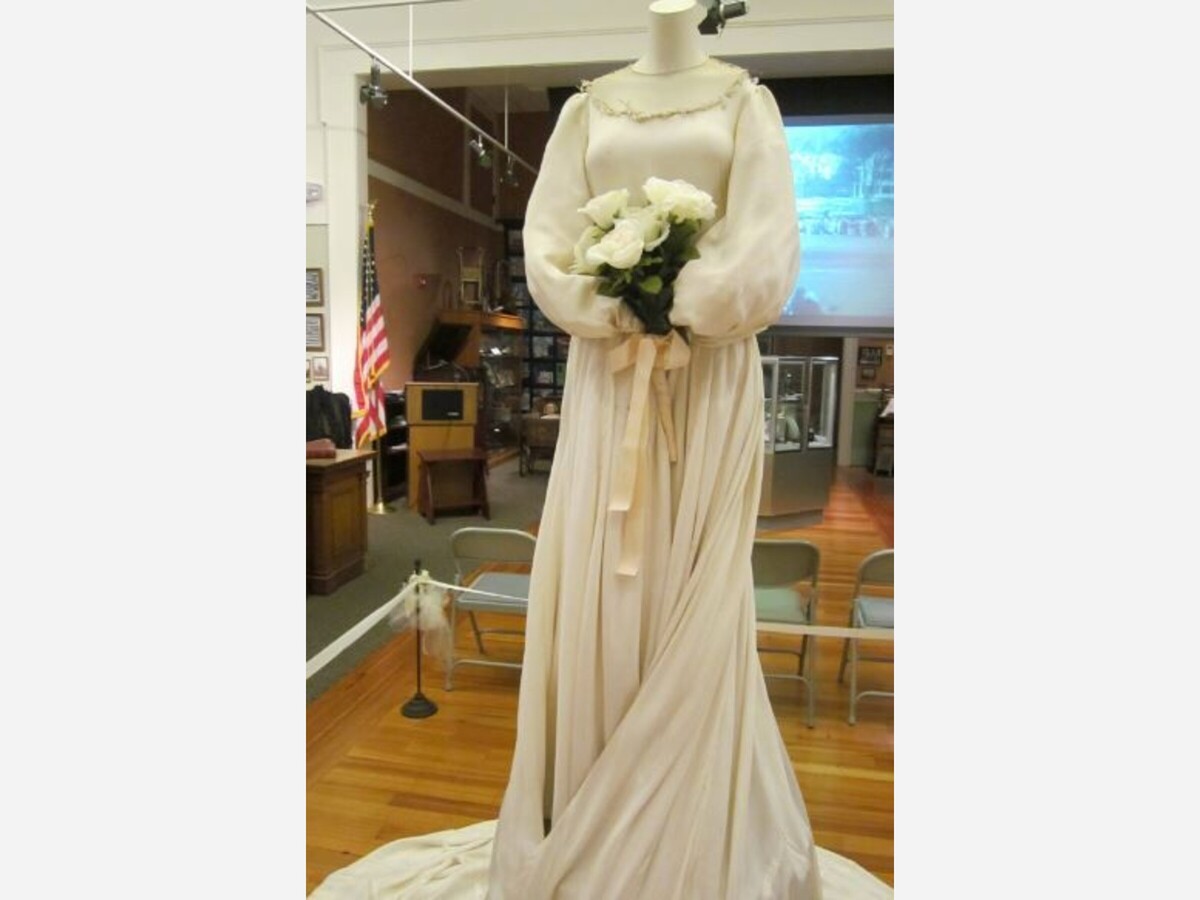



As strange as it might seem today, during and immediately after World War II, thousands of American brides walked down the aisle wearing wedding gowns fashioned from military parachutes—a practical solution that became one of the era's most enduring symbols of hope and renewal.
The tradition began because wartime shortages and rationing made fine fabrics all but impossible to obtain. At the same time, silk and later nylon parachutes became available when servicemen returned home. Many soldiers who had survived parachute jumps or air crashes treasured the canopies that had saved their lives or sometimes brought home parachutes of their vanquished enemies. They then gave them to fiancées or wives-to-be. Skilled seamstresses transformed the lightweight, high-quality fabric into elegant bridal gowns, often using every available panel for dresses, veils, christening gowns, and keepsakes.
The practice reached its peak between about 1943 and 1948, particularly from 1945 as millions of veterans returned home and the United States experienced a postwar marriage boom. As textile shortages eased and commercially manufactured wedding dresses again became widely available in the late 1940s and early 1950s, the tradition gradually faded. By the mid-1950s, new parachute-silk wedding gowns had become uncommon.
No one knows exactly how many parachute wedding dresses were created, but historians generally believe the number reached into the many thousands in the United States alone. Museums, historical societies, and families across the country continue to preserve these remarkable garments, many accompanied by stories of the servicemen whose parachutes inspired them.
Today, parachute wedding gowns are cherished not only for their beauty but also for what they represent: ingenuity in difficult times, the transition from war to peace, and the deeply personal connection between military service and the beginning of family life.
The Franklin Historical Museum's 2026 exhibit, Revolutionaries in White, features the highly requested 1946 parachute dress
with the amazing 13-foot train, sown from a silk Japanese military
parachute.
Carefully curated by Historic Commission Member Jan Prentice and a group of volunteers, the
the Bridal Exhibit continues through Saturday, August 29 during regular
museum hours, Saturdays 10 to 1 and Sundays 1 to 4. The museum is
located at 80 West Central Street with ample parking and a handicapped accessible entrance is at the rear of the building.



Overcast, with a high of 61 and low of 47 degrees. Patchy rain nearby during the morning, overcast in the afternoon, clear during the evening, overcast overnight.