75° and Overcast



Image
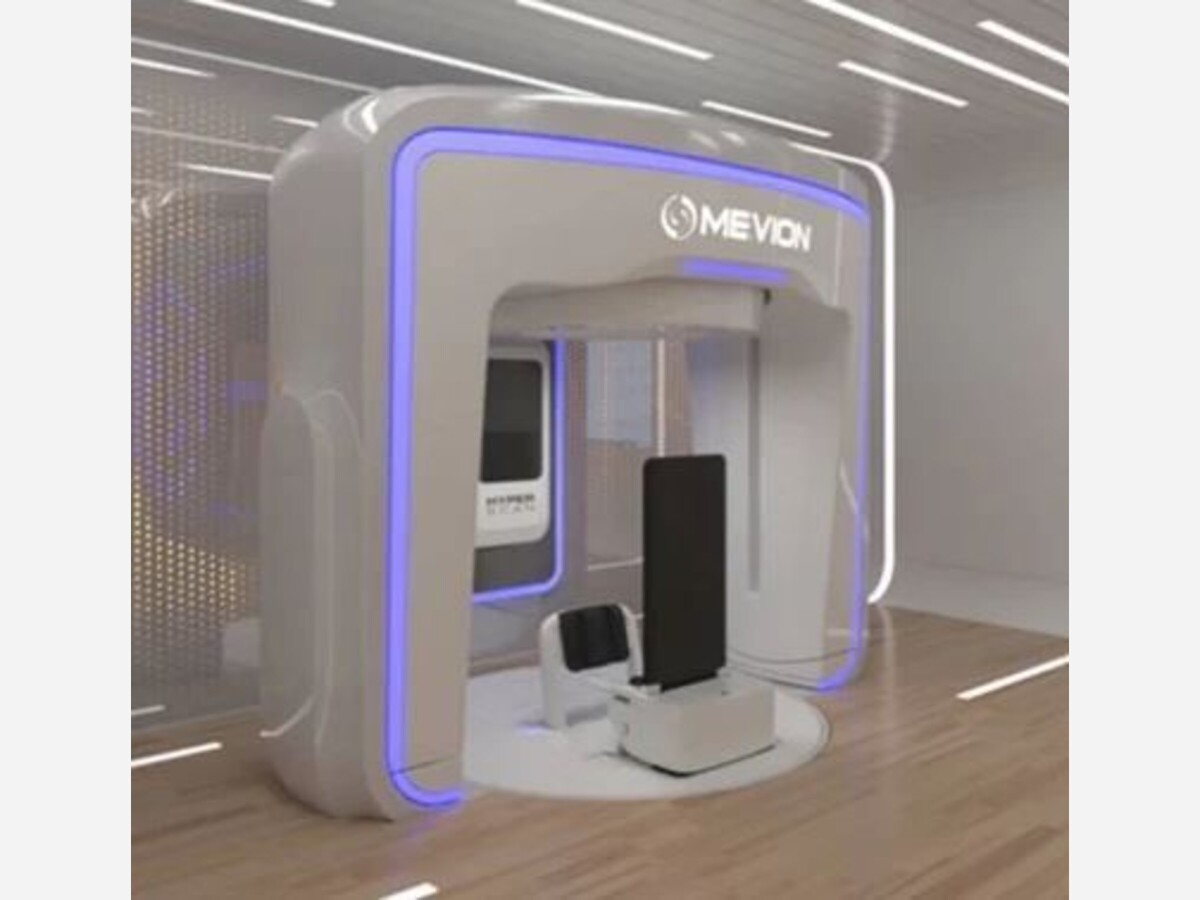
Dana-Farber Cancer Institute secured state approval on Wednesday, May 13, 2026 to build a proton therapy center. Screenshot
Allison Kuznitz | SHNS
Dana-Farber Cancer Institute secured state approval Wednesday to build a proton beam therapy center on its Longwood campus, with public health officials attaching requirements aimed at boosting access to patients who are publicly insured.
After delaying its vote last month over patient equity concerns, the Public Health Council approved the roughly $50.5 million project to deliver a type of therapy that reduces the risks of traditional radiation that can damage healthy tissue. In its application, Dana-Farber said "many" pediatric patients are unable to access proton beam therapy in Massachusetts, with some patients traveling out of state for care or forgoing treatment.
With its approve, the council gave Dana-Farber six months to submit a plan for increasing its share of Medicaid patients, and how it intends to support "equitable access" to proton beam therapy across race, ethnicity, payer mix and geography.
Dana-Farber must also file an annual report with the Department of Public Health discussing implementation of its equity and access goals. Dana-Farber could be penalized for not complying with its plan and need to cough up funding for other health equity projects, according to a presentation at the council's meeting Wednesday.
The bulk of Dana-Farber's adult patients have commercial insurance or Medicare fee-for-service plans, while only a small share have MassHealth or managed Medicaid plans, according to a presentation from Teryl Smith, director of DPH's Bureau of Health Care Safety and Quality. Among pediatric patients, the majority have commercial or managed Medicaid coverage, with less than 3% on MassHealth.
After Wednesday's meeting, a Dana-Farber spokesperson said cancer is a "disease of the aged" while the Medicaid population skews younger and noted that its payer mix aligns with peer cancer hospitals across the country. Dana-Farber says overall about 7% of its patients are on Medicaid, with nearly 36% of pediatric patients covered by MassHealth.
Dr. Andrew Place, chief medical officer of Dana-Farber/Boston Children's Cancer and Blood Disorders Center, said the organization wants to ensure all cancer patients are able to receive care — regardless of their insurance or ability to pay.
"We are committed to identifying where barriers to access actually live, and are working to dismantle or address them systematically," Place said. "Let me be clear on one additional, important element of our program: Decisions regarding access to proton therapy at Dana-Farber will be made solely on clinical factors. Race, ethnicity and ability to pay will not be part of that calculus."
Dana-Farber must also examine what prevents patients from coming to the institute or "completing a successful course with proton therapy once they arrive," Place said.
Council member Dr. Ramnath Subbaraman said the focus on equity reflects patients' already limited access to proton beam therapy in the region. There's only one functioning proton beam therapy unit in New England, which is operated by Massachusetts General Hospital. The council in December approved UMass Memorial Health Care's application to buy a proton beam and offer proton therapy services in Marlborough.
"The comments from myself and others are really motivated by, in part, by the fact that Dana-Farber is a world-leading cancer center," said Subbaraman, an associate professor at Tufts University School of Medicine.
He added, "As sort of more centers are gaining access to this, including Dana-Farber, there have become questions around who's able to access that. And it's in some ways not just about the outcomes."
Council member Dr. Ellana Stinson asked how DPH would support Dana-Farber if the center struggles to overcome barriers to access.
Public Health Commissioner Dr. Robbie Goldstein said DPH plans to "work closely" with Dana-Farber. If the center falls short of its equity goals, Goldstein said DPH offices "will engage and talk through prior successful ways in which hospital systems, health systems have increased MassHealth participation, have increased their equity efforts, and that looks different depending on what communities we're trying to focus on."
Magnolia Contreras, vice president of community health at Dana-Farber, said equity work is "not new to us" as she pointed to ongoing patient data collection efforts.
"We already have systems in place for this," Contreras said. "We would just want to ensure that the system that we set up meets the needs for reporting."
Alison Kuznitz is a reporter for State House News Service and State Affairs Pro Massachusetts.


Sunny, with a high of 80 and low of 54 degrees. Partly Cloudy in the morning, sunny during the afternoon, clear during the evening,