

Image
The Massachusetts Department of Conservation and Recreation (DCR), Department of Agricultural Resources (MDAR) and the Massachusetts Nursery and Landscape Association (MNLA) have announced the return of the Growing Wild campaign. The program provides free native plant materials to help residents create habitats for pollinators across the state. Governor Maura Healey has proclaimed today, May 29, 2026, as “Growing Wild Massachusetts Day,” recognizing the program’s continued growth and statewide impact as it enters its sixth season. On Friday, leaders from DCR, MDAR and MNLA will gather at Mahoney’s Garden Center in Winchester to celebrate the first pollinator kit giveaway of the season.
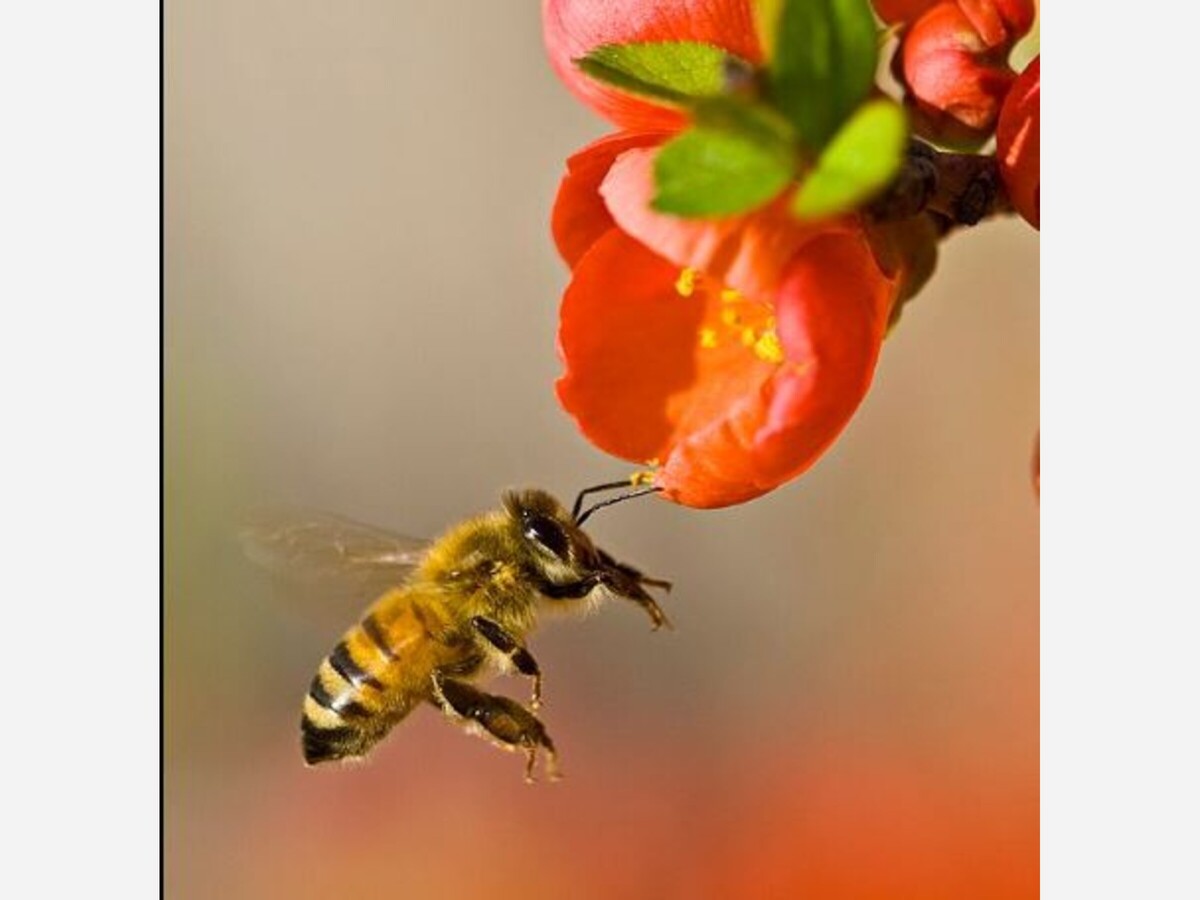
Pollinators play a critical role in keeping ecosystems healthy and supporting the food supply. Bees, butterflies, and other insects move pollen between plants, helping flowers, fruits, vegetables, and native species to grow and reproduce. This season, Growing Wild will distribute pollinator kits at 21 nurseries and six DCR parks. The campaign will also continue partnerships with Tribal communities in Massachusetts to provide kits that include native plant species of cultural significance to Tribal communities.
“Pollinators are important to healthy ecosystems, local farms, and the food we rely on,” said Energy and Environmental Affairs Secretary Rebecca Tepper. “Native plants support bees and other insects while also creating landscapes that can better handle drought and heavy rain. Growing Wild helps residents plant species that use less water, thrive in Massachusetts conditions, make our communities healthier and more resilient.”
“Growing Wild gives people a simple way to make a real difference for pollinators, strengthen biodiversity, and protect the health of our environment right in their own communities,” said DCR Commissioner Nicole LaChapelle. “Whether you are planting in a backyard, a community garden, or a flowerpot on your porch, every native plant helps support the birds, bees, butterflies and wildlife that keep our ecosystems thriving and our natural resources healthy. This program is about shared stewardship and helping communities across Massachusetts create healthier habitats for generations to come.”
“Massachusetts greenhouses and nurseries supply garden enthusiasts of all levels with beautiful native flowers and plants that support pollinators, which in turn allows our farmers to grow the food that sustains us,” said MDAR Commissioner Ashley Randle. “We are proud to continue this important collaboration with our sister agency at DCR and our partners at the Massachusetts Nursery and Landscape Association to bring awareness to the importance of planting native species.”
“As green industry professionals, we’re proud to help residents create landscapes that are not only beautiful, but also support pollinators, conserve resources, and strengthen local ecosystems,” said Rena Sumner, Executive Director of Massachusetts Nursery and Landscape Association. “Local nurseries across Massachusetts are helping homeowners make informed choices about native plants and sustainable landscaping practices that can have a lasting impact.”
Coinciding with Native Plant Month, this year’s effort will feature kits containing two native perennials, native seed packets and educational materials on how to cultivate a pollinator-friendly garden. Each kit provided by Growing Wild will help grow plants that support pollinator habitats and are frequently under threat by invasive species, pesticide use, habitat loss and climate change. Additionally, this year’s campaign includes seed germination kits that include native wildflower seeds. Participants are encouraged to use water wisely, including collecting rainwater when possible, and to follow local water conservation guidance.
A full list of locations where Growing Wild pollinator kits can be found is available on DCR’s website. Kits can also be obtained at the following DCR properties while supplies last:
Middlesex Fells Reservation (Flynn Rink) – Medford, MA
Lawrence Heritage State Park (Riverfront Park) – Lawrence, MA
Waquoit Bay – East Falmouth, MA
Blackstone River Greenway (Worcester Visitor Center) – Worcester, MA
Holyoke Heritage State Park – Holyoke, MA
Clarksburg State Park – Clarksburg, MA
All Massachusetts gardeners can join in the state’s effort to protect pollinator habitats by registering their gardens on the Massachusetts Pollinator Map, a growing visual record of native plantings across the state. Residents are also encouraged to “Pledge Your Garden” on the Growing Wild Partnership webpage and join a statewide network of pollinator-friendly plantings across Massachusetts.
Since its launch in 2021, and including the 2026 Growing Wild season, Growing Wild will have distributed more than 22,000 native plants through its complimentary Growing Wild starter kits, resulting in an estimated 12 acres of new pollinator habitat across 10 counties and 37 towns throughout Massachusetts.
Last year, Growing Wild received the National Association of State Park Directors’ Innovation Award in recognition of its efforts to expand pollinator habitats and engage the public in conservation across Massachusetts.
Learn more about Growing Wild and other pollinator protection resources by visiting MNLA’s Growing Wild webpage.


Sunny, with a high of 89 and low of 64 degrees. Sunny for the morning, partly cloudy in the afternoon and evening, clear overnight.