

Image
Oak, Maple and More -- Franklin Trash Delays
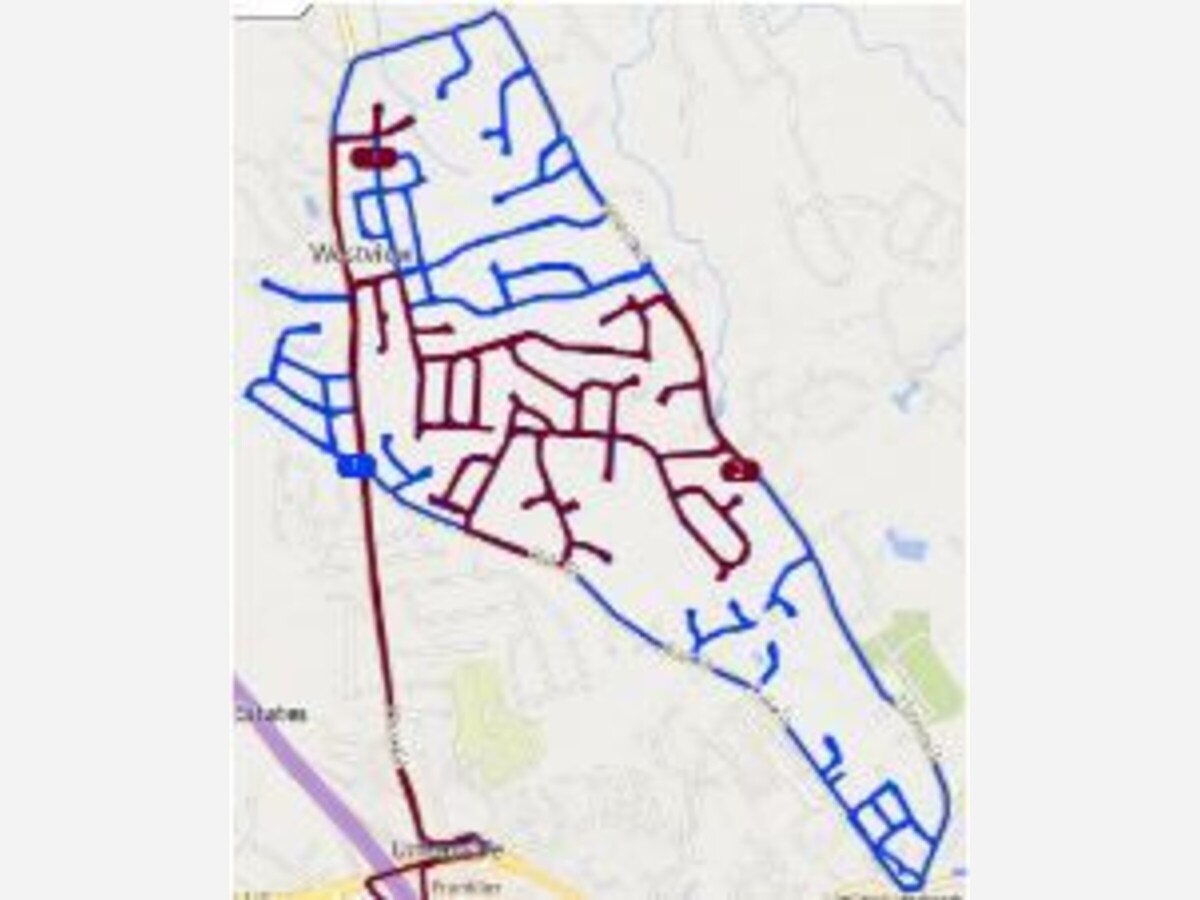
Update from Waste Management 5/30/26 6:30 PM: "Due to increased volume, today's [Friday's] collection was not completed. Extra resources will be brought to town on Monday to collect streets that were not collected today (Saturday 5/30/26)."
That announcement followed a similar one a day earlier: "We were unable to complete trash collection today [Thursday]. There is roughly 30 minutes left to be completed first thing tomorrow. Affected areas include Cleveland, Couto, Taft, Wilson, Teri's Way, and a small section of Washington Street. We apologize to the residents of Franklin for the inconvenience."
Medway Seeking FinCom Members
The Town of Medway is currently accepting applications for four (4) volunteer positions on the Finance Committee. (Please note that three current incumbents are seeking reappointment). Key Responsibilities:
Budget Oversight: Review and evaluate municipal and school operating and capital budgets.
Public Hearings: Lead public hearings regarding proposed budgets and all Town Meeting warrant articles, providing printed recommendations to residents.
Annual Reporting: Author and present the annual Finance Committee report for Town Meeting.
Meeting Schedule & Terms: Committee members serve a three-year term beginning July 1, with regular meetings held on the second Wednesday of each month.
How to Apply: Interested residents should submit a resume and letter of interest to the Town Manager’s Office at 155 Village St, Medway, MA 02053, or via email at bos@medwayma.gov. The application deadline is June 15, 2026.
NEW REPORT: Massachusetts Energy Plan Drives Higher Costs, Relies on Unproven Solutions
A new report from Eco Nuclear Solutions highlighted by Mass Fiscal Alliance, reinforces serious concerns about Massachusetts’ energy policies, finding that the state’s current decarbonization strategy will dramatically increase electricity costs while failing to ensure reliable power. The report concludes that electricity demand is expected to double under current electrification mandates, while wind, solar, and battery storage alone cannot consistently meet that demand, especially during winter months when energy use is highest. As a result, the system would still require frequent reliance on natural gas or other yet-to-be-developed fuels to prevent blackouts. The analysis also finds that electricity generation costs could reach up to three times current levels under existing policy assumptions.



Sunny, with a high of 89 and low of 64 degrees. Sunny for the morning, partly cloudy in the afternoon and evening, clear overnight.