52° and Cloudy
Image
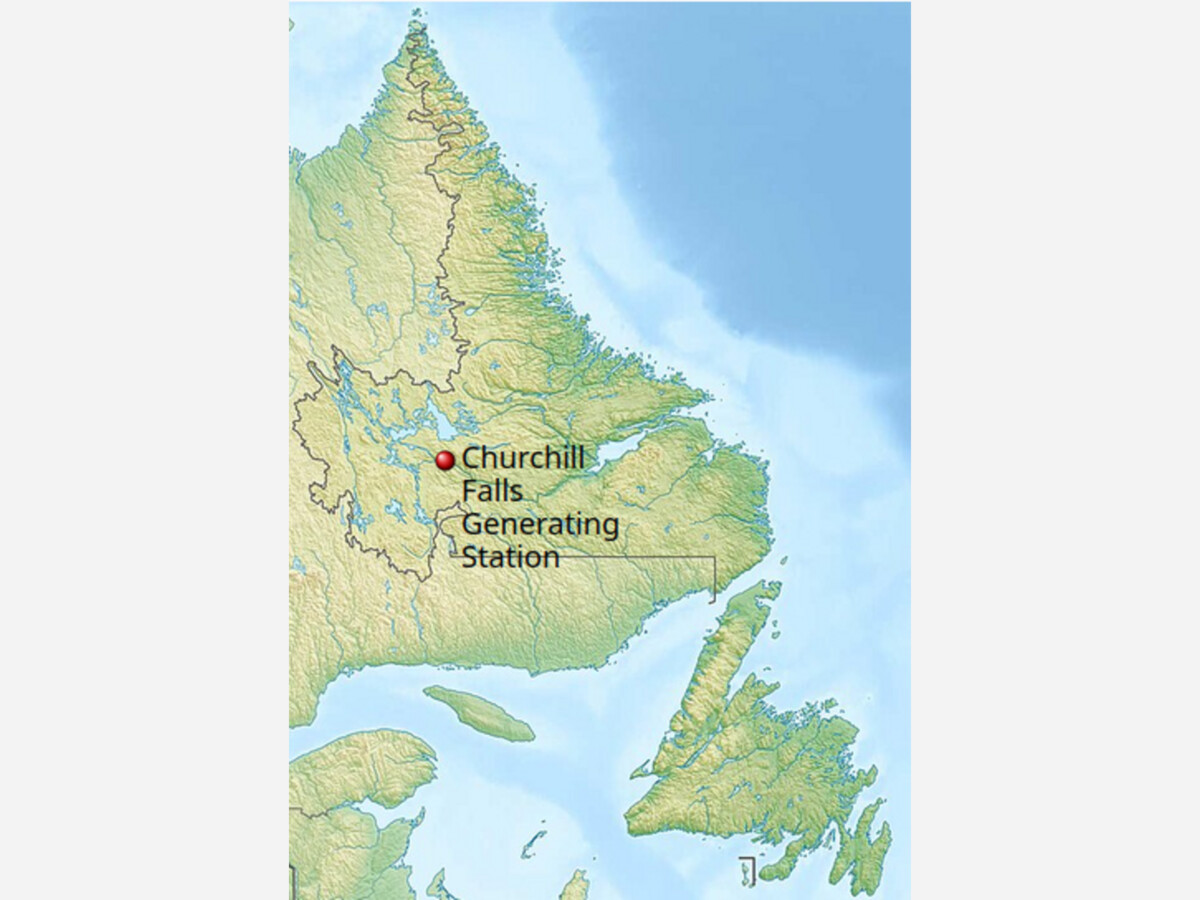



Quebec and Newfoundland and Labrador are moving toward a sweeping energy agreement that could reshape hydroelectric development in Labrador and dramatically increase the value of power flowing from the Churchill River system.
The proposed agreement calls for more than $50 billion in new hydroelectric, wind and transmission projects and could ultimately involve as much as 14,000 megawatts of existing and new generating capacity. The federal government is also expected to participate in the initiative, according to a report by Atlantic Press News.
At the center of the plan is a new arrangement between Hydro-Québec and Newfoundland and Labrador Hydro governing electricity from the Churchill Falls generating station and future energy projects in Labrador.
One of the largest proposed developments is a 2,700-megawatt hydroelectric generating station at Gull Island on the Churchill River. The framework also calls for upgrades to the existing 5,428-megawatt Churchill Falls generating station, which is jointly owned by the provincial utilities.
The two provinces would also study construction of a second powerhouse at Churchill Falls and development of approximately 2,000 megawatts of wind generation in the Churchill River region. A private-sector partner could take a partial ownership interest in the wind project.
New transmission infrastructure would accompany the generation projects. Under the proposed arrangement, Newfoundland and Labrador could transmit as much as 985 megawatts of Labrador-generated electricity through Quebec for sale into U.S. markets.
Current projections would allocate approximately 2,750 megawatts of power to Newfoundland and Labrador Hydro and 8,515 megawatts to Hydro-Québec. Those amounts could rise if the utilities proceed with additional expansion at Churchill Falls.
For Newfoundland and Labrador, the agreement represents a potentially enormous financial gain. Provincial officials estimate its return over the proposed 50-year term at approximately $49 billion.
The framework would also substantially increase the price Hydro-Québec pays for Churchill Falls electricity.
Beginning in 2027, Hydro-Québec would pay 1.8 cents per kilowatt-hour, with the rate increasing over time. Officials estimate the effective average price over the 50-year period at 7.4 cents per kilowatt-hour. That is higher than the 5.9-cent average contemplated in an earlier draft agreement signed in 2024.
The new pricing would represent a dramatic departure from the longstanding Churchill Falls power contract. Under the 1969 agreement, which was scheduled to remain in effect until 2041, Hydro-Québec currently pays only approximately 0.2 cents per kilowatt-hour.
If finalized, the new agreement would therefore do more than launch one of Canada's largest energy-development programs. It would also fundamentally recast the economic relationship between Quebec and Newfoundland and Labrador surrounding Churchill Falls, while opening the possibility of substantially greater electricity exports from Labrador to Quebec and the northeastern United States.

Overcast, with a high of 62 and low of 46 degrees. Overcast during the morning, sunny in the afternoon, clear in the evening, overcast overnight.