

Image
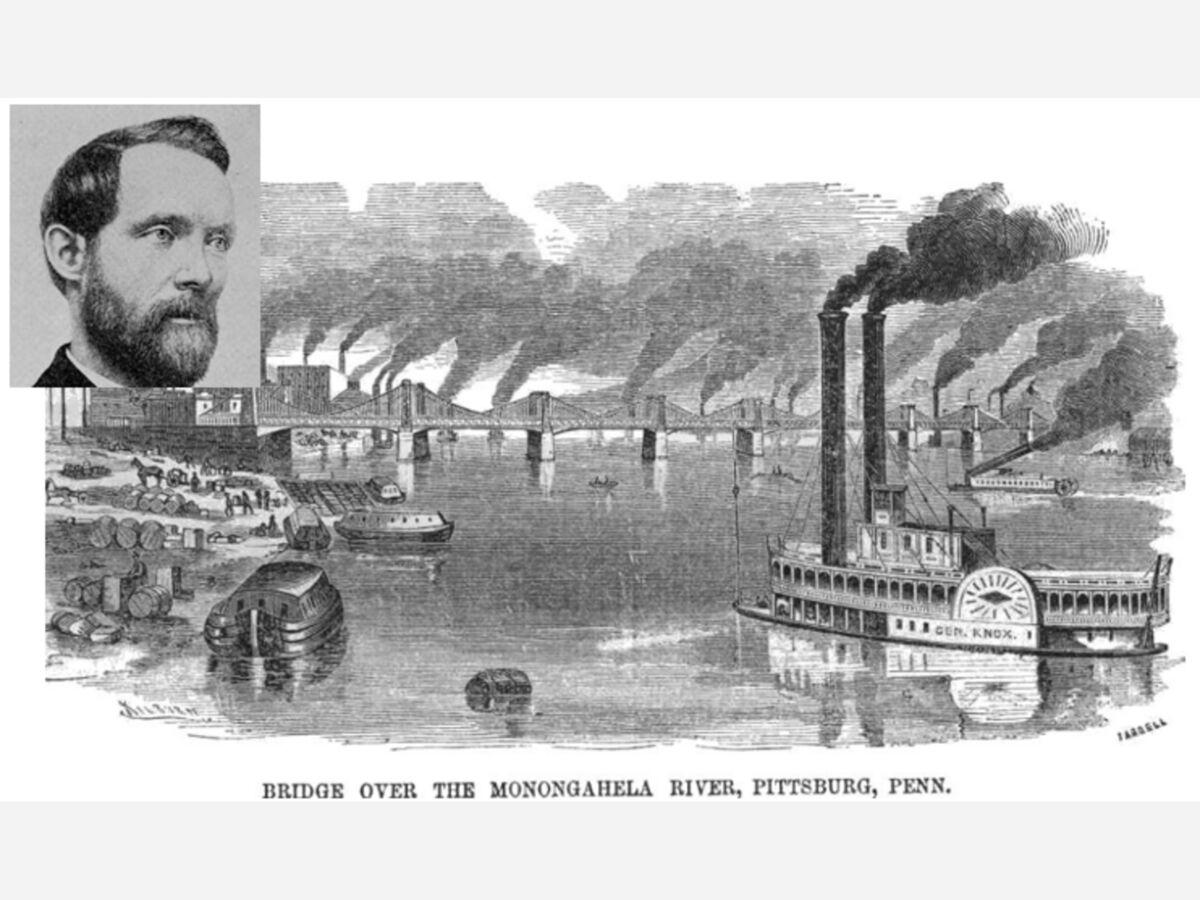
The life story of Albert Deane Richardson reads like a novel and seems the stuff of Hollywood. In little, more than 30 years of life, Richardson managed multiple careers, adventured across the landscape of the Civil War and was murdered in New York City by a jealous man. Even the trial of his murderer had fantastical elements.
According to historian Mortimer Blake, Richardson was born in the north part of Franklin on October 6, 1833, the youngest child of Elisha and Harriet Richardson.
He attended Franklin Academy and later Holliston Academy before following the siren song of the West that took many New Englanders from their ancestral hearth in those years.
His first career was teaching school in Pittsburgh, a bustling industrial city of 46,000, and then reinvented himself as a reporter for the Commercial Journal and later emerged as editor of the Cincinnati Gazette. When bloody Kansas was the focal point of national attention, he was there as a reporter for the Boston Journal.
As if that wasn’t enough, he also served for a time a Secretary of the Legislature and, supposedly, Adjutant-General on the Governor’s staff, as well. in 1859 he went with Horace Greeley and Henry Villard to Pike's Peak when a gold rush was underway and the made his way alone through the Southwest, describing his travels for different publications. In 1860, he edited The Western Mountaineer of Golden City, Colorado along with Thomas W. Knox and George West
But his fame began when he went to work for the New York Tribune, reporting on the South as secession and rebellion got under way from a base of operations in New Orleans.
He was able, for example, to be present at Charlestown as state forces began to bombard the federal outpost of Fort Sumter. As if that wasn’t enough of a “scoop” he managed to find his way into the first meeting of the Confederate Congress held in Montgomery, Alabama – sending reports via a friend who lived in Canada.
He managed to pass the lines and reach home to visit family – he had married Mary Louise Pease from Ohio in 1855 and the couple eventually had five children – but promptly headed for the South again by way of Vicksburg, by then under Union siege. It was here, when the tug he was traveling downriver on was sunk by Confederate gunfire, that he found himself a prisoner. And so began another series of challenge and adventures.
To be continued...



Sunny, with a high of 43 and low of 25 degrees. Sunny during the morning, overcast during the afternoon and evening, clear overnight.