35° and Clear



Image

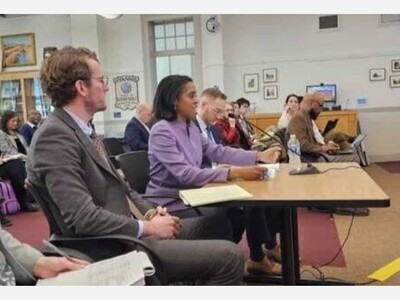
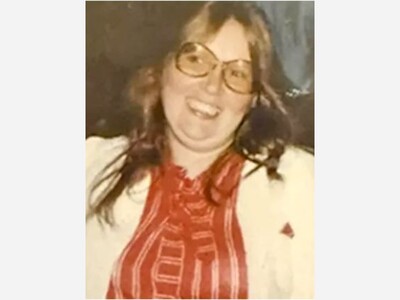
Above, Ken Norman, Franklin TV Board -- Twitter image
Earlier this month, Senators Edward J. Markey (D-Mass.) and Tammy Baldwin (D-Wisc.), members of the Senate Commerce, Science, and Transportation Committee, and Representative Anna G. Eshoo (CA-18), senior member of the House Energy and Commerce Committee, reintroduced their Protecting Community Television Act. This legislation would undo Trump-era rulemaking by the Federal Communications Commission (FCC), which had aimed at reducing the cost of supporting local cable to big cable companies, and instead ensure that local public, educational, and government (PEG) channels get the resources they need to keep producing content for their viewers from those companies.
In 2019, the FCC allowed cable companies to put a price tag on in-kind contributions they provide to communities, including PEG channels. Under the rule, cable companies can then subtract the ascribed value from the franchising fees that they pay in order to operate. The FCC’s decision has forced local governments across the country to decide between supporting PEG programming and supporting other public services for schools, public safety buildings, and libraries in cable franchise agreements.
Fortunately for Franklin, and the Franklin TV operations, the 2019 measure hasn’t had too big of an impact.
According to board member and long-time local cable ‘activist,’ Ken Norman, the ‘in kind’ rule from the FCC came with no real guidance, allowing companies like Comcast and Verizon to interpret it in any way they wanted.
But, in fact, according to Norman, the local cable providers are so far taking advantage of the rule only to deduct the the value of the Massachusetts state taxes from the money they provide. As a result, Norman said, Franklin TV sees about a $1,500 a year reduction in its income.
“As far as I know it is similar across country; certainly, Massachusetts it is all very similar,” he added.
But the Markey move would be welcome, according to the umbrella organization for community access TV in Massachusetts. “It’s reaffirming to witness the efforts legislators who recognize community media as both relevant and worthy of protection,” said David Gauthier, President of Massachusetts Community Media, Inc.
“Too often in a world of rapidly-evolving technology, community media is viewed as a relic of the past, whereas the truth is that our services are more in demand than ever. The continuing loss of local print media has left a void that community television makes every attempt to fill. The challenge, however, is that that funding for our efforts continues to head in the wrong direction," said Gauthier.
Crucially, he noted, funding for community media is directly tied to cable subscriptions, which decrease year after year. Subscriptions to cable services in Massachusetts have gone down over 20% since 2015 and that translates to less funding for community media operations, he explained. "The Protecting Community Television Act would help to clarify financial responsibilities that cable companies must adhere to and undo industry-friendly measures taken by the FCC in the past," he added.



Sunny, with a high of 46 and low of 30 degrees. Clear during the morning, sunny during the afternoon, clear for the evening,