66° and Light rain



Image
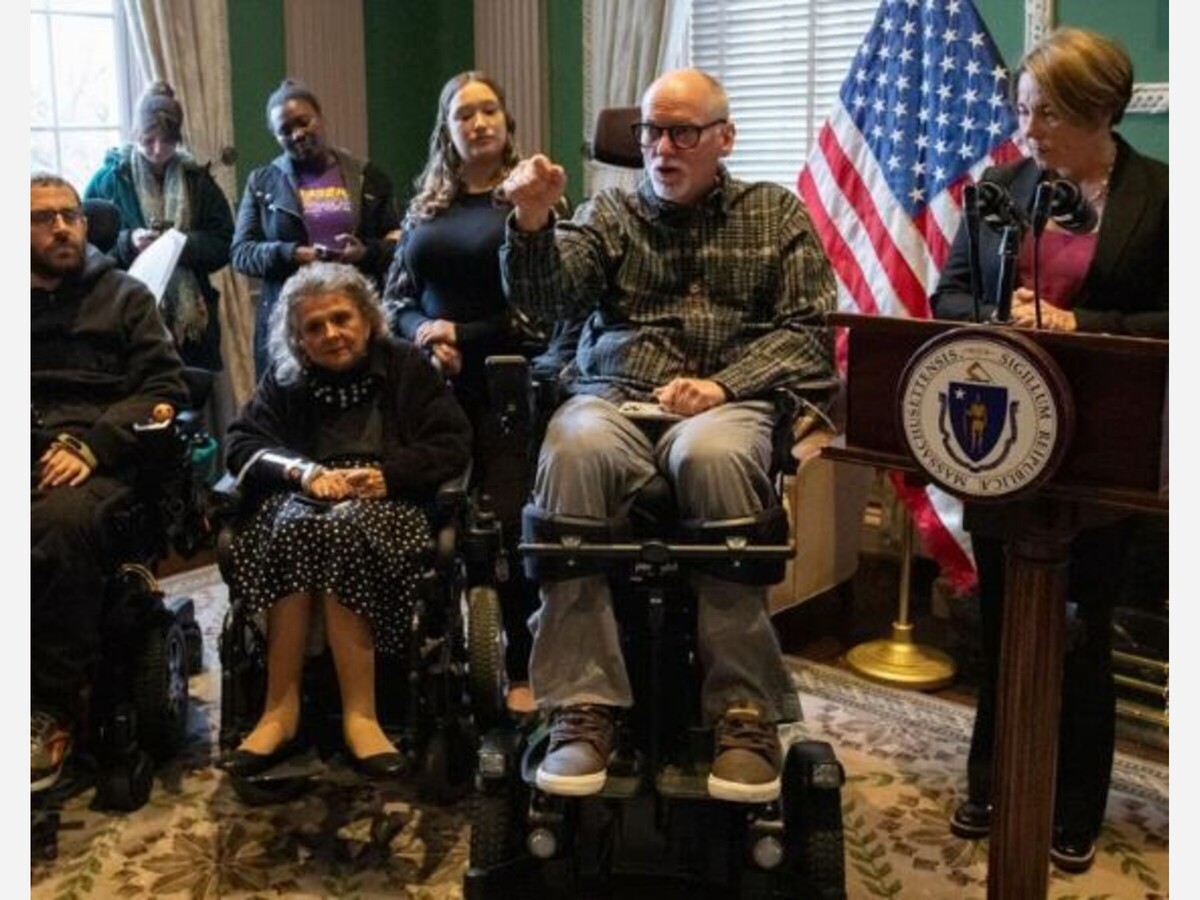
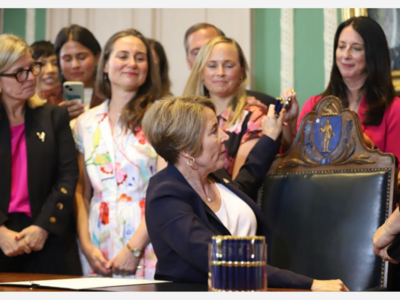
Chris Hoeh, a member of the Personal Care Attendant Workforce Council, speaks Nov. 13, 2023 at a celebration of a new contract for home care workers. --Sam Doran
Sam Drysdale |SHNS
Thousands of live-in personal care attendants serving MassHealth members will no longer owe state or federal income taxes on their wages under a new IRS ruling sought by the Healey administration.
The tax change affects an estimated 18,000 of the roughly 60,000 personal care attendants, or PCAs, employed through the state’s MassHealth program, according to the Executive Office of Health and Human Services. The exemption applies only to PCAs who live in the same household as the individual receiving care.
Under the ruling, income earned by the live-in workers qualifies as "difficulty of care" payments, a federal tax law classification that excludes certain caregiving wages from taxable income. Because Massachusetts generally follows federal income tax definitions, the payments are also exempt from state income taxes.
State officials estimate the change could save qualifying workers $5,000 or more per year, depending on hours worked and individual tax situations.
PCAs assist with daily activities such as bathing, dressing and mobility, allowing people with disabilities to live independently rather than in institutional settings. More than 50,000 MassHealth members receive services through the PCA program, which is a central component of the state’s long-term services and supports system.
The ruling follows a request made by the PCA Workforce Council, a state body within the Executive Office of Health and Human Services that oversees wages, training and labor relations for PCAs. The council asked the Internal Revenue Service to clarify whether MassHealth-funded PCA wages for live-in caregivers met the federal definition of difficulty of care payments.
Labor advocates and disability organizations said the change could help stabilize a workforce that has long faced recruitment and retention challenges, particularly for live-in positions that often involve long hours and intensive responsibilities. Unions representing PCAs have pointed to rising living costs and competition from other health care and service jobs as ongoing pressures on the workforce.
The state has approved several changes affecting PCAs since 2023, including wage increases, the creation of a seniority ladder, expanded premium pay for certain holidays and early work on a retirement benefit structure. Those changes were negotiated through the council and funded through the state budget and MassHealth.
While the tax exemption does not increase hourly wages, supporters argue it functions as a significant boost to take-home pay for a subset of workers without adding direct costs to the state payroll. The state agreed to a new contract with the home care workers in 2023 that included wage increases.
The cost of the PCA program has soared in recent years, rising from $1.2 billion in fiscal year 2020 to $1.6 billion in fiscal 2023, with projections to reach $2 billion by fiscal 2027. This rapid growth, driven largely by an aging population, has led the Healey administration to explore potential caps on the program.
State officials did not provide a total estimate of foregone tax revenue associated with the exemption.
Sam Drysdale is a reporter for State House News Service and State Affairs Pro.



Sunny, with a high of 70 and low of 26 degrees. Sunny in the morning, mist during the afternoon and evening, overcast overnight.