58° and Partly Cloudy



Image
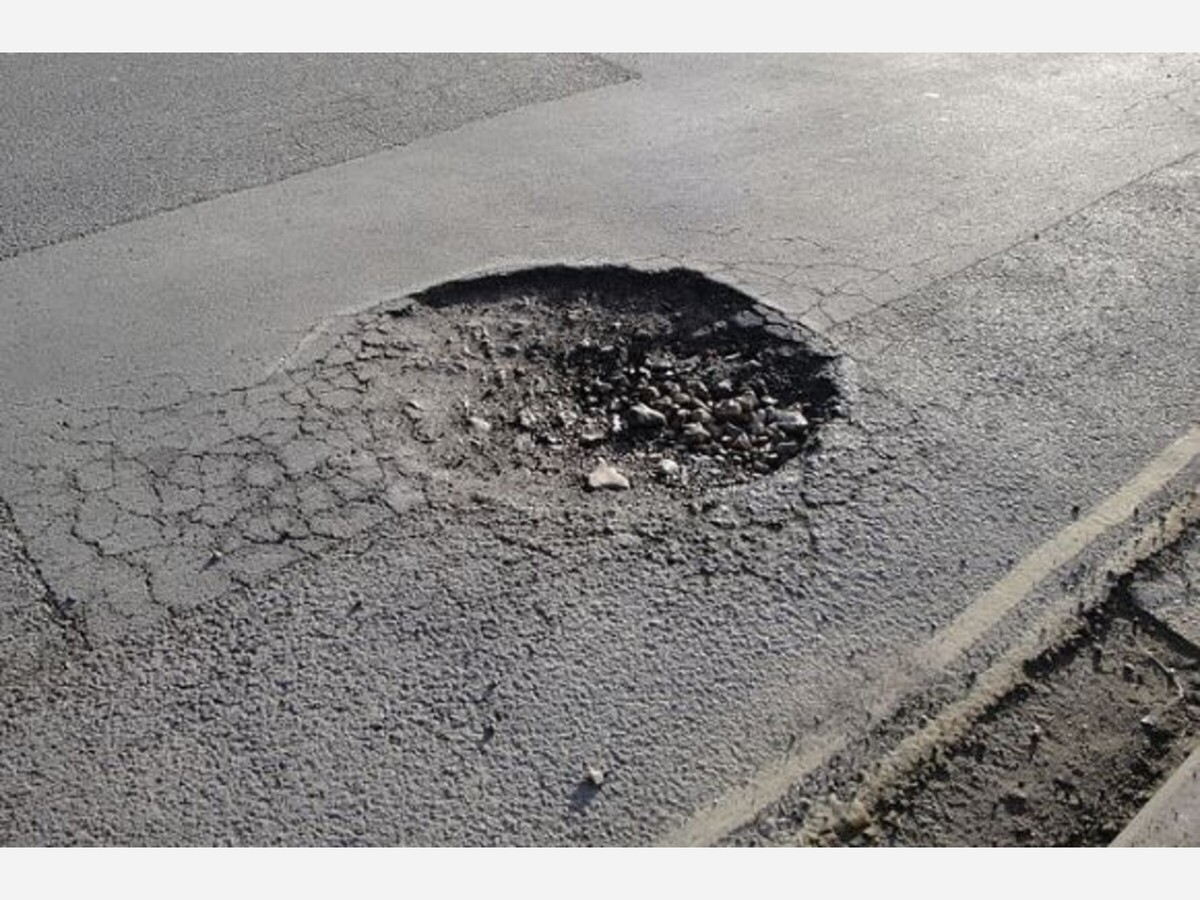
Pothole season is arriving early thanks to above-average snowfall blanketing the Northeast this winter. With plows pounding the roads and pavement cracking from recent freeze and thaw cycles, drivers are in for a bumpy ride before spring. Potholes form when water penetrates the road surface through cracks and crevices. When that water freezes, it expands, breaking up the pavement, which then gets battered by vehicles. Typically, potholes rapidly multiply in mid- to late-March as winter turns to spring. This year, conditions are already prime for pothole formation due to major snowstorms followed by temperature swings above and below freezing. Driving into a pothole can be costly: Potholes routinely cause major damage to wheels, tires and suspension components. Exceptionally large potholes can cause a vehicle to bottom out and result in severe damage to the undercarriage. Potholes can also contribute to crashes if drivers lose control after driving into one or swerve trying to avoid them. An estimated 44 million U.S. drivers were hit with pothole repair bills in 2022, according to a recent AAA survey. In spring that year, AAA responded to 1.9 million tire-related roadside assistance calls across the U.S. — many stemming from pothole damage. “Thanks to drastic swings in temperature, driver concerns are quickly shifting from roads covered in snow to roads loaded with potholes,” said Mark Shieldrop, senior spokesperson for AAA Northeast. “While potholes might seem unavoidable at this time of year, you can decrease the odds of hitting one by driving and reacting appropriately.” To avoid pothole damage:
If you can’t avoid hitting a pothole, try the following:



Patchy rain nearby, with a high of 77 and low of 50 degrees. Partly Cloudy in the morning, sunny in the afternoon, patchy rain nearby in the evening, mist overnight.