82° and Sunny



Image
The Trump Administration’s recent decision to pause
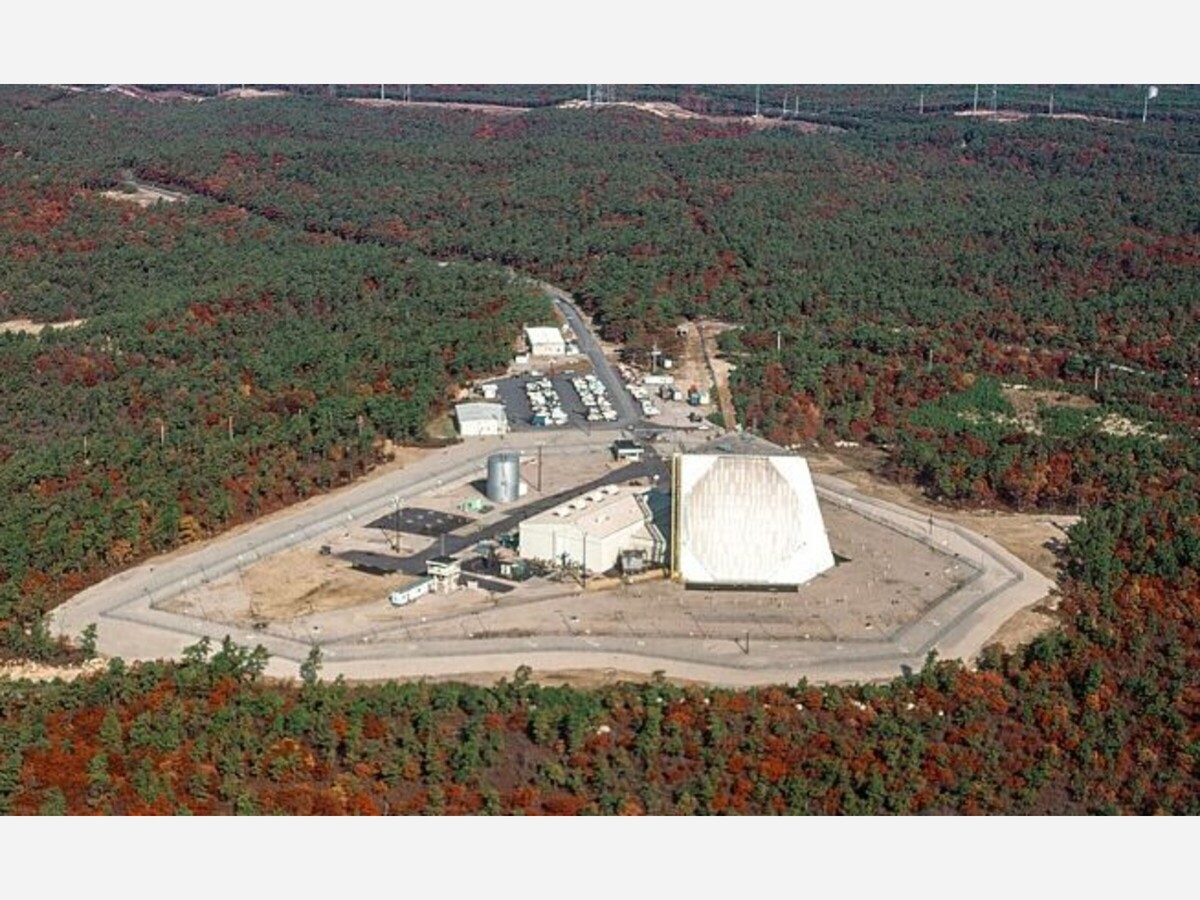
East Coast wind projects due to radar issues has drawn a firestorm of protest in Massachusetts and among other northeast state. But there has been little coverage of what may be at stake. And what's at stake is mostly the effectiveness of the multibillion dollar "PAVE PAWS" radar station, now run by Space Command, just a short distance past the Cape Cod Canal in Bourne.
What Is the PAVE PAWS Radar System?
The
PAVE Phased Array Warning System, better known as PAVE PAWS, is a
long-range military radar facility located at the Cape Cod Space
Force Station in Massachusetts. Built during the Cold War and
activated in 1980, PAVE PAWS was originally designed as an early
warning radar to detect long-range missile threats aimed at the
United States—and to give defense forces as much advance notice as
possible of a potential attack, especially the then new threat of missiles launched from submarines.
Unlike
traditional rotating radar dishes, PAVE PAWS uses a phased array of
thousands of small antenna elements that can steer radar beams
electronically and almost instantly. At Cape Cod, two giant radar
faces working together can sweep a 240-degree view of the ocean and
sky, allowing the system to spot sea-launched ballistic missiles
(SLBMs) and ICBMs far before they reach U.S. shores -- from the vicinity of Greenland to the north and deep into the Caribbean to the south.
Over
time, the system has also been adapted to track satellites and space
debris—important for both civilian spaceflight safety and military
awareness—and to feed data into broader U.S. and allied missile
warning networks like NORAD.
Why PAVE PAWS
Still Matters in Today’s Security Environment
Though the
Cold War ended decades ago, the geopolitical landscape today is
arguably more complex and fragmented than ever. The number of
countries with ballistic missile capabilities has expanded, and new
technologies such as hypersonic weapons and drones pose detection and
targeting challenges that earlier radar systems weren’t designed
for.
Systems like PAVE PAWS remain relevant because they
help:
> Detect and track potential missile launches early,
giving military and civilian leaders more time to respond.
> Provide
critical space situational awareness, where tracking satellites and
space debris protects both military assets and commercial space
ventures.
> Support layered defense networks in an era where
threats come from a mix of state and non-state actors around the
world.
Even though newer radar systems are
rolling out at some locations, Cape Cod’s installation is still a
cornerstone of U.S. early warning capability on the Atlantic
seaboard.
Interference Concerns: Why
Location and “Clutter” Matter
Radar systems like PAVE
PAWS work by sending out radio waves and analyzing what comes back
after they bounce off objects in the atmosphere or space. This works
well when the radar return signals come mostly from genuine targets
(like aircraft or missiles). But large, reflective, or moving objects
within the radar’s field of view can create false echoes, confusing
the system or “cluttering” the radar picture -- noise that obscures or mimics real contacts. Individual wind turbines rotate at speeds that vary considerably depending on wind and loads and their orientation is also constantly shifting with the wind, like giant weather vanes. When dozens or potentially hundreds of such machines are installed and operating, the electronic imaging picture for a radar system becomes potentially chaotic.
This is
the core of the modern tension between PAVE PAWS and offshore wind
development. Wind turbines are enormous steel
structures—sometimes more than 800 feet tall from base to
tip—located at sea where radar needs clear views to monitor
approaching threats.
Radar engineers
often design systems to filter out moving clutter (like rain or
waves), but large wind farms can generate enough returns that
standard filtering becomes less effective, and tricky trade-offs
arise between reducing false targets and missing real ones, particularly when national defense requires split second decisions.
This isn’t just hypothetical:
developers of wind projects have previously submitted studies showing
predicted impacts on PAVE PAWS surveillance performance, arguing
additional mitigation measures would be needed to prevent degraded
radar performance
Concerns about
interference are not new.
During the original construction
phase of PAVE PAWS in the late 1970s, the Air Force identified that
civilian emergency radio transmitters near the site could interfere
with radar operations. In response, the service paid to relocate
these transmitters to reduce the risk of false signals.
In more recent decades, when older PAVE
PAWS radars were upgraded (for example, to newer AN/FPS-123 phased
array equipment), nearby amateur radio operators were asked to reduce
their transmission power in certain frequency bands to limit
interference with the radar’s sensitive receivers.
These examples show that when civilian
radio or electronic activity threatens radar performance, authorities
have historically worked to mitigate interference, sometimes at
public expense, to keep crucial defense systems functioning
properly.
Offshore Wind and the Trump Administration’s
Radar Concerns
In December 2025, the U.S. Department of
the Interior under the Trump administration announced a pause on
leases for five major offshore wind projects along the Atlantic
coast, including sites in Massachusetts, Rhode Island, New York, and
Virginia. The official reason: national security concerns related to
military radar systems, including potential interference or
degradation of systems like PAVE PAWS.
The
Interior Department stated that the massive turbines and their
spinning blades produce radar “clutter” that can: obscure
real moving targets, making it harder for radar to spot a
threat, generate false targets, creating additional noise
that must be filtered out, and force radar systems to adjust
detection thresholds, which can reduce sensitivity to genuine
threats.
Officials said this
pause—initially set for review—was meant to give federal agencies
time to explore ways to address or mitigate national security risks.
However, this decision quickly became
controversial, particularly given the unending hostility to wind power previously shown by the administration.
Supporters of wind energy argued that these
projects had already passed lengthy federal reviews in prior administrations, including input
from defense and Coast Guard agencies, and that radar compatibility
issues could be engineered around.
Balancing
Security, Energy Goals, and Technological Change
The
debate over PAVE PAWS and offshore wind turbines highlights a broader
challenge in modern infrastructure planning: National
security systems require robust, reliable performance amid evolving
threats. Clean energy infrastructure like wind farms
promises climate and economic benefits, but can introduce technical
conflicts with existing systems.
Solutions may include improved radar signal
processing, radar network design that can compensate for turbine
locations, or strategic placement of wind farms outside sensitive
coverage areas.
Federal action to pause wind project development reflects just
how central this issue has become in national discussions about
defense, technology, and the future of U.S. energy infrastructure.



Patchy rain nearby, with a high of 93 and low of 63 degrees. Sunny in the morning, clear overnight.