66° and Clear
Image



With `enhanced' federal health subsidies now expired, Beacon Hill leaders on Thursday endorsed a one-year plan to tap $250 million from a state trust fund, which depends in part on revenues from the state's general fund, to provide continued support to a quarter-million low- and middle-income residents.-- earning under 400% of the federal poverty level.
As an example, the administration cited the hypothetical situation of a 45-year-old couple with two kids making $75,000 in Fall River that previously paid $166 per month for the lowest cost coverage. Without the subsidies, that became available during Covid, they would have had to pay more than double for the same plan – $452 per month (or. $5420 annually). Under Healey's plan they will pay $206 per month, or just under $2500 yearly, a fraction of the cost of regular market rate insurance, which can exceed $24,000 annually for a family plan.
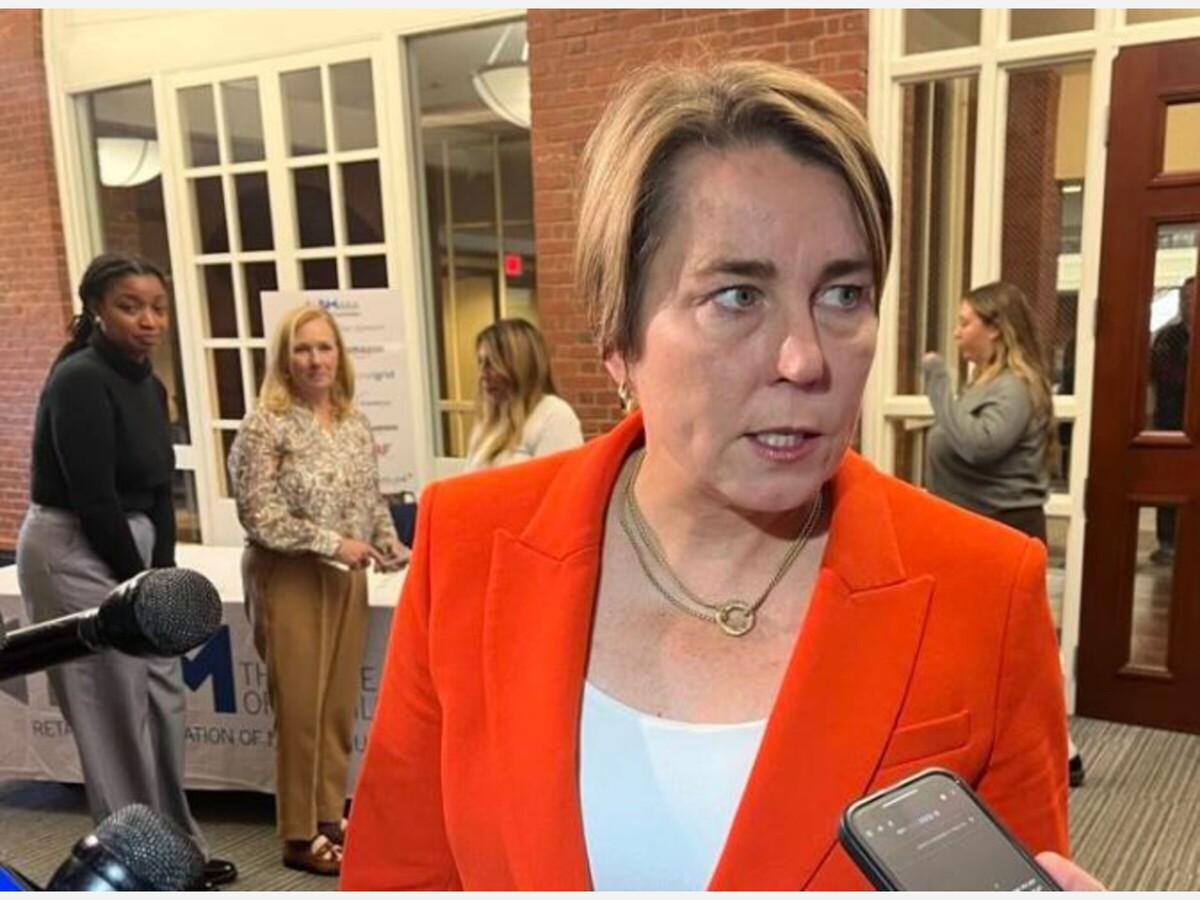
Senate President Karen Spilka and House Health Care Financing Committee Chair John Lawn joined Gov. Maura Healey to promote the administration’s decision to draw $250 million from the Commonwealth Care Trust Fund to stabilize ConnectorCare premiums
The funding comes from the Commonwealth Care Trust Fund, a long-standing account created by the Legislature to support subsidized coverage through the Health Connector. Administration and Finance Secretary Matthew Gorzkowicz said the fund is supported by multiple revenue streams and is expected to take in about $650 million this year.
“There are a number of revenue sources that contribute to that,” Gorzkowicz said, citing cigarette taxes, individual mandate penalties, employer assessments through the Employer Medical Assistance Contribution, and periodic transfers from the state’s General Fund.
He said cigarette tax revenue contributes roughly $65 million to $70 million annually, employer penalties about $40 million, with additional revenue coming from EMAC and state appropriations, with Medicaid federal financial participation. Gorzkowicz said there are not contributions from the General Fund every year. A&F officials did not return a request for additional information about the breakdown of contributions into the fund in time for publication.
An A&F spokesperson said that drawing from the fund to support ConnectorCare in 2026 will not require employers to increase their contributions.
While Healey has spent months publicly warning that Massachusetts could not fully backfill the loss of federal subsidies, she said Thursday that the trust fund represents a limited but appropriate mechanism to address the problem.
“The extent of the cuts are so widespread, there are certain instances where we may have an existing vehicle to help address some of that,” Healey said.
The administration was clear that the move is temporary. Healey said the $250 million commitment is "a one-year plan right now," with future funding dependent on federal action and upcoming negotiations.
If Congress were to reinstate the enhanced tax credits, she said the system would revert to its prior structure, with the federal government again picking up a larger share of the subsidy costs.
That one-year horizon underscores a tension in the administration’s response: Healey has repeatedly warned that the expiration of enhanced federal tax credits would be destabilizing, even as the state’s backstop is itself temporary.



Sunny, with a high of 78 and low of 59 degrees. Sunny during the morning, cloudy for the afternoon, clear in the evening,