55° and Light drizzle
Image



30 January 2026
Canary Media
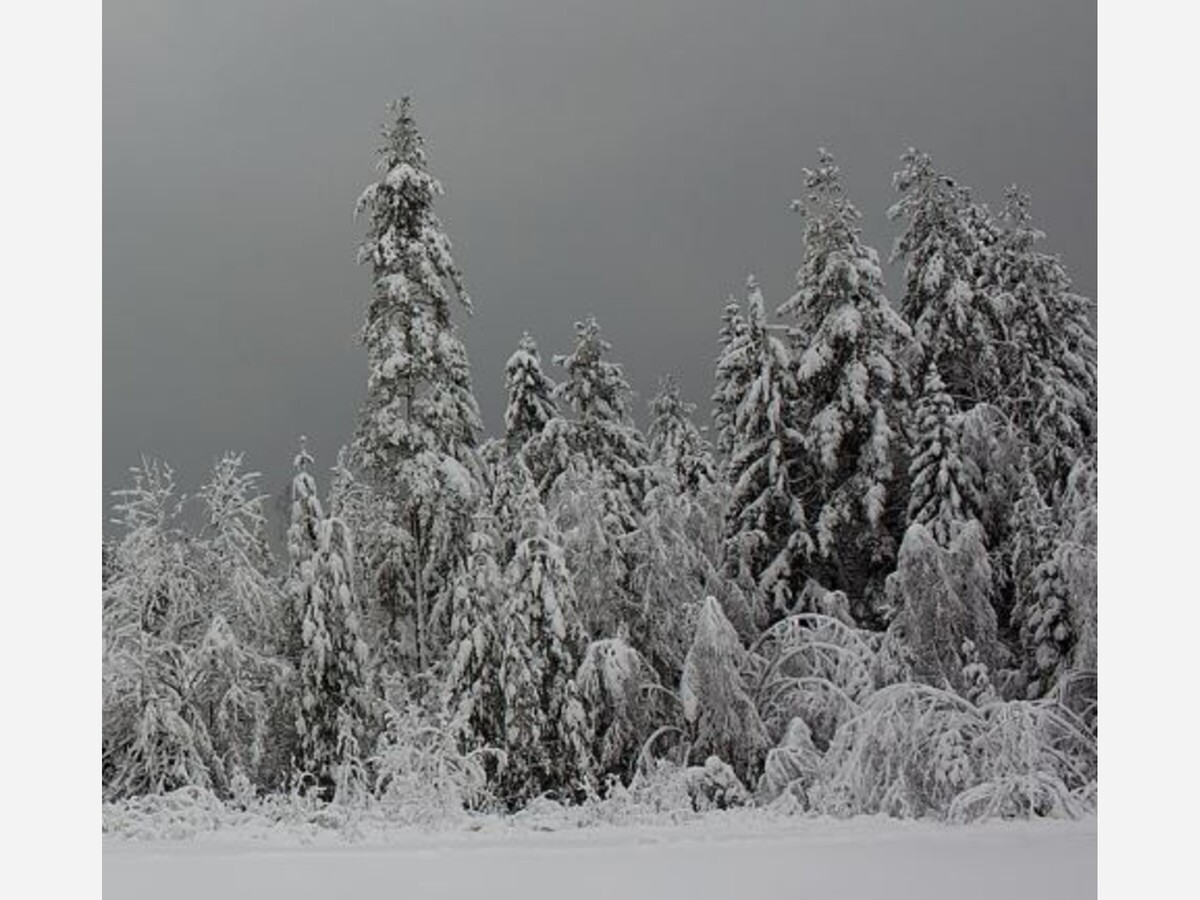
First it got cold. Across New England, temperatures have been almost constantly below 20 degrees Fahrenheit since last Friday night.
Then it snowed. Winter Storm Fern [the marketing name applied to a recent snowstorm by The Weather Channel-- Ed.] swept through the region on Sunday and Monday, leaving more than two feet of white stuff in its wake in many places.
But despite the extreme weather, the lights stayed on in the Northeast, for the most part.
At a moment when there is copious debate over how, and how much, to strengthen and expand the New England electric grid, this past weekend functioned as a sort of stress test for the system, highlighting both its strengths and its shortcomings. A closer look at how the grid managed to keep us watching football games and charging our phones offers a few key lessons.
The climate challenges posed by Winter Storm Fern cropped up just a week after the long-awaited New England Clean Energy Connect transmission line started sending hydropower from Quebec into the Northeast U.S. Its purpose: to supply more than 1 gigawatt of power to customers in Massachusetts, providing clean energy and cost savings to the state, which has struck a long-term procurement deal with Canadian energy giant Hydro-Québec.
Last Friday and early Saturday, power flowed as expected. But from Saturday afternoon until Monday afternoon, the exports stopped for all but a few hours on Sunday. Quebec, also experiencing bitter cold, needed the power for its own heating systems. In fact, demand in the province was so high that New England began sending it electricity via a transmission line usually used to bring Canadian power into the U.S.
“There was an expectation that there was a higher quantity and more consistent flows than what happened in practice,” said Dan Dolan, president of the trade group New England Power Generators Association. “The timing of this is certainly drawing a lot of attention, just a week into the commissioning of the project.”
Hydro-Québec didn’t do anything illegal or unethical, Dolan said, and its CEO has indicated the company is prepared to pay the penalties outlined in its contract with Massachusetts for not sending power as obligated. Still, this weekend makes clear that the much-vaunted new transmission line might not do as much to alleviate the region’s energy concerns as had been hoped.
As Canadian hydropower stopped coming, New England also had to cope with constrained natural gas supplies. People throughout the region needed the fossil fuel to warm their houses, limiting the supply that was available to power plants and spiking prices. As a result, usually expensive oil generation became the more economical option. Rarely used oil-burning power plants were called into action, producing more than a third of the power flowing onto the grid for some periods. For a sense of scale: Oil-fired generation provided roughly 1% of the region’s power in 2025.
The sudden dependence on one of the dirtiest forms of power supply makes it clear that the region needs to generate more electricity from a wider range of resources, grid experts say. The grid will be more reliable and more economical if it doesn’t have to put so many of its eggs in an expensive, high-emissions basket like oil.
“The cold temperatures and the storm really, really highlight the importance of a portfolio approach,” said Valessa Souter-Kline, managing director of the industry association Advanced Energy United.
Planning for a future of more abundant power supply is all well and good, but the cost and high emissions of burning oil for electricity highlight the need to do more with the grid we have now, said Phelps Turner, director of clean grid for environmental advocacy group the Conservation Law Foundation.
The region needs to expand demand-response programs, he said. These initiatives compensate consumers for scaling back their energy use at times of particularly high demand, freeing up electrons for other customers. Commercial operations might power down some machines or use an on-site generator for a time, while residential customers might hold off on running their dishwashers for a couple of hours or charge their EVs overnight rather than in the early evening.
“We have to be more proactive about managing demand for electricity,” Phelps said. “Those programs aren’t going to solve all of our problems, but they are a tool that needs to be used in situations like this.”
Much of the conversation about the weekend’s grid performance has focused on the lack of power along the new transmission line and the spike in oil-fired generation. However, wind also made solid contributions to the stability of the system. Overnight Friday, into Saturday, more than 1.5 gigawatts of wind power — roughly 10% of New England’s total load — was flowing onto the grid.
Data from grid operator ISO New England does not break out the contributions of onshore and offshore wind. Energy insiders, however, are confident that Vineyard Wind — the nearly completed development off the coast of Massachusetts that’s already sending some power to the grid — played a significant role in wind’s strong performance.
The numbers suggest that offshore wind could live up to its promise of providing a robust power supply, particularly in the winter. That could go a long way in addressing the region’s energy affordability woes: An analysis released in 2025 concludes that Massachusetts utility customers would’ve saved as much as $212 million during the winter of 2024–25 if the region had had 3.5 GW of offshore wind capacity online.
Of course, this potential only matters if offshore wind developments can actually get built. Federal judges have allowed work to resume on four of the five under-construction projects stopped last month by the Trump administration, but federal policies and challenging economic conditions have stalled or scuttled at least three others in development.
This past weekend, however, made a strong case for the value that offshore wind can bring, experts said.
“Here in New England, low temperatures and strong winds tend to travel together,” Turner said. “Offshore wind can be an incredibly important and valuable resource during cold snaps like this one.”
Sarah Shemkus is a reporter at Canary Media who is based in Gloucester, Massachusetts, and covers New England..
Reprinted under a Creative Commons CC BY-NC-ND 4.0 license.



Overcast, with a high of 67 and low of 53 degrees. Overcast for the morning, light drizzle overnight.