

Image
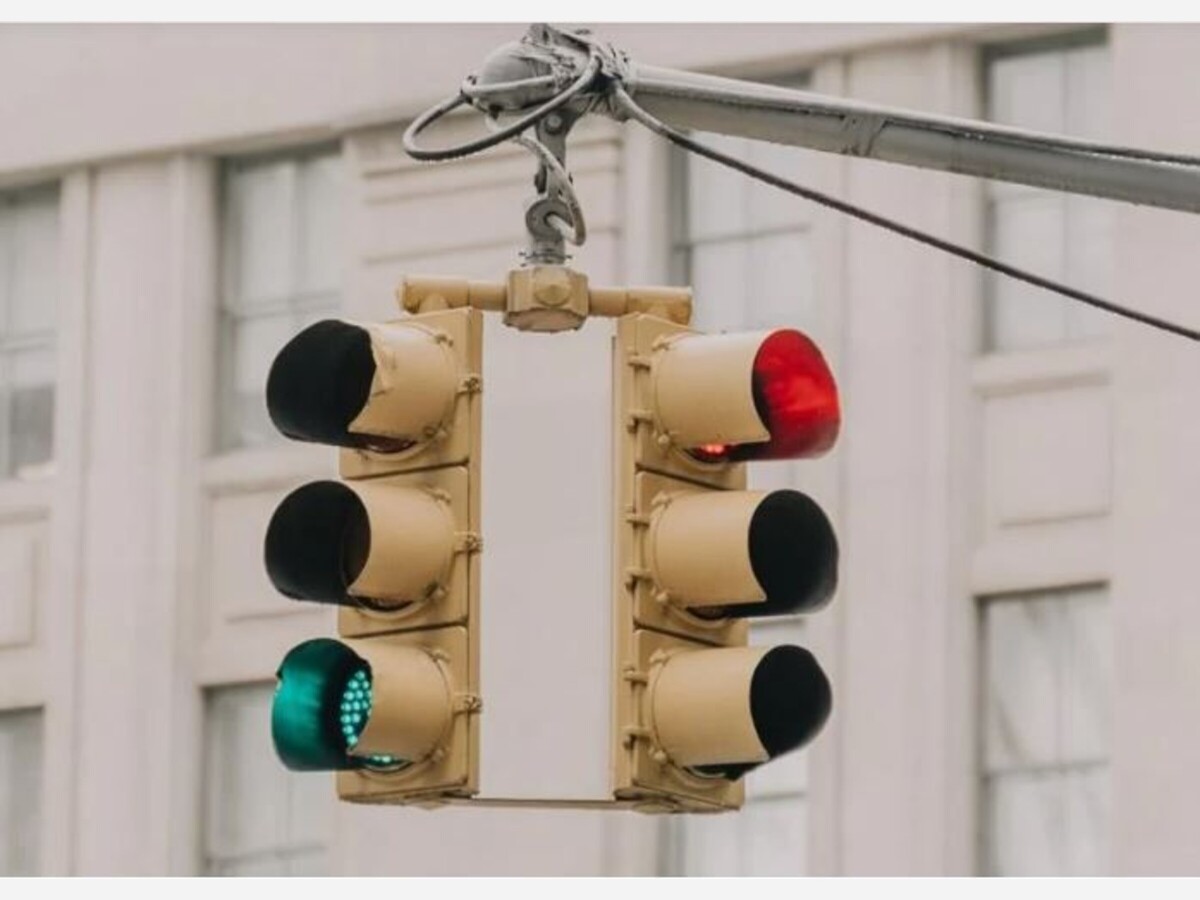
Photo by Ronny Rondon on Unsplash
Katie Castellani | SHNS
Bills (S 2344 / H 3754) sponsored by Sen. William Brownsberger of Belmont and Rep. Steven Owens of Watertown give cities and towns the option to set up cameras to enforce speed limits, red light compliance, safe driving in school zones and the rules against blocking an intersection. To address privacy concerns, the cameras would only capture a license plate, not the driver or passenger or contents of vehicles. Fines would start at $25 and be capped at $150, with revenue going to the Commonwealth Transportation Fund.
As someone who regularly cycles or walks to work, Brownsberger said there’s a sense of kinship among pedestrians who feel vulnerable sharing the roads with cars.
“This is a real safety priority,” he said.
Brownsberger spoke during a policy briefing for the bill Tuesday where advocates and public officials shared stories about friends and loved ones who have been killed or injured by speeding cars.
Sergeant James Foley, a crash reconstruction supervisor for Worcester’s Police Department, said there has been a shift toward more dangerous driving – drivers are more aggressive on the road and they rely on navigation apps. When delays occur, some drivers attempt to make up time by speeding through intersections.
However, police departments are struggling with staffing shortages and must prioritize 911 calls over traffic enforcement, Foley said. When there are sufficient resources, officers have limited space to safely observe red light violations at intersections and traffic stops in busy intersections can cause more delays. The bill offers a practical tool to boost both pedestrian and law enforcement safety, he said.
“Unfortunately, I have seen firsthand what happens when dangerous driving goes unchecked,” Foley said.
Speeding is a primary factor in about one-third of all motor vehicle fatalities, according to advocates including Transportation for Massachusetts and the Families for Safe Streets Massachusetts. As of January 2026, speeding is one of the leading causes of preventable crashes in the state.
Advocates say 22 states allow municipalities to set up traffic enforcement cameras and pointed to a National Highway Traffic Safety Administration study that found the cameras can reduce crashes by 30% to 40%.
"This is a bill that needs to be passed into law, because it will change driver behavior," said Emily Stein, with Families for Safe Streets Massachusetts who lost her father to a distracted driver in 2011. "We have to do this."
The Senate bill cleared the Senate side of the Transportation Committee 6-0 and is awaiting action in the Senate Ways and Means Committee. Sens. Brendan Crighton, Paul Mark, Brownsberger, Lydia Edwards, Dylan Fernandes and Jason Lewis voted in favor of the bill while Sen. Patrick O’Connor did not vote yes or no. The House version is still before the Transportation Committee, which has a March 18 deadline to report on the bill.
When asked about the level of support for the bill, Owens said, “We’re still having conversations.”
“These things happen one legislator at a time,” Owens said, adding that he regularly hears concerns about traffic safety from constituents. “Sometime after the pandemic, I felt like a switch flipped and people started driving more aggressively....I think the tide is turning, and you know, we're going to make our best case.”
Brownsberger said it’s too soon to speculate on the bill’s fate but it’s something he’s “working very hard on.”
Owens and Brownsberger pointed out that Gov. Maura Healey included speed cameras in her fiscal year 2026 and 2027 budget proposals. Healey’s budget proposals recommend allowing MassDOT and municipalities to use speed cameras in construction and school zones. The House and Senate did not include the measure in their fiscal 2026 budget proposals.
The lawmakers also acknowledged that bill opponents have raised concerns about photos endangering driver and passenger privacy and how municipalities would be more empowered to issue fines. Owens and Brownsberger say the bill addresses these points.
“We don't want this to be an ATM machine for municipalities or for the government. Our goal is to get the fines down to zero, because we want people to follow the law,” Owens said. “We don't want it to be seen as a revenue generator. We want to make sure we're protecting people's privacy.”
Katie Castellani is a reporter for State House News Service and State Affairs Pro Massachusetts.


Sunny, with a high of 71 and low of 33 degrees. Sunny for the morning, clear in the afternoon and evening,