63° and Clear



Image
by Nada Hassanein, Stateline
April 13, 2026
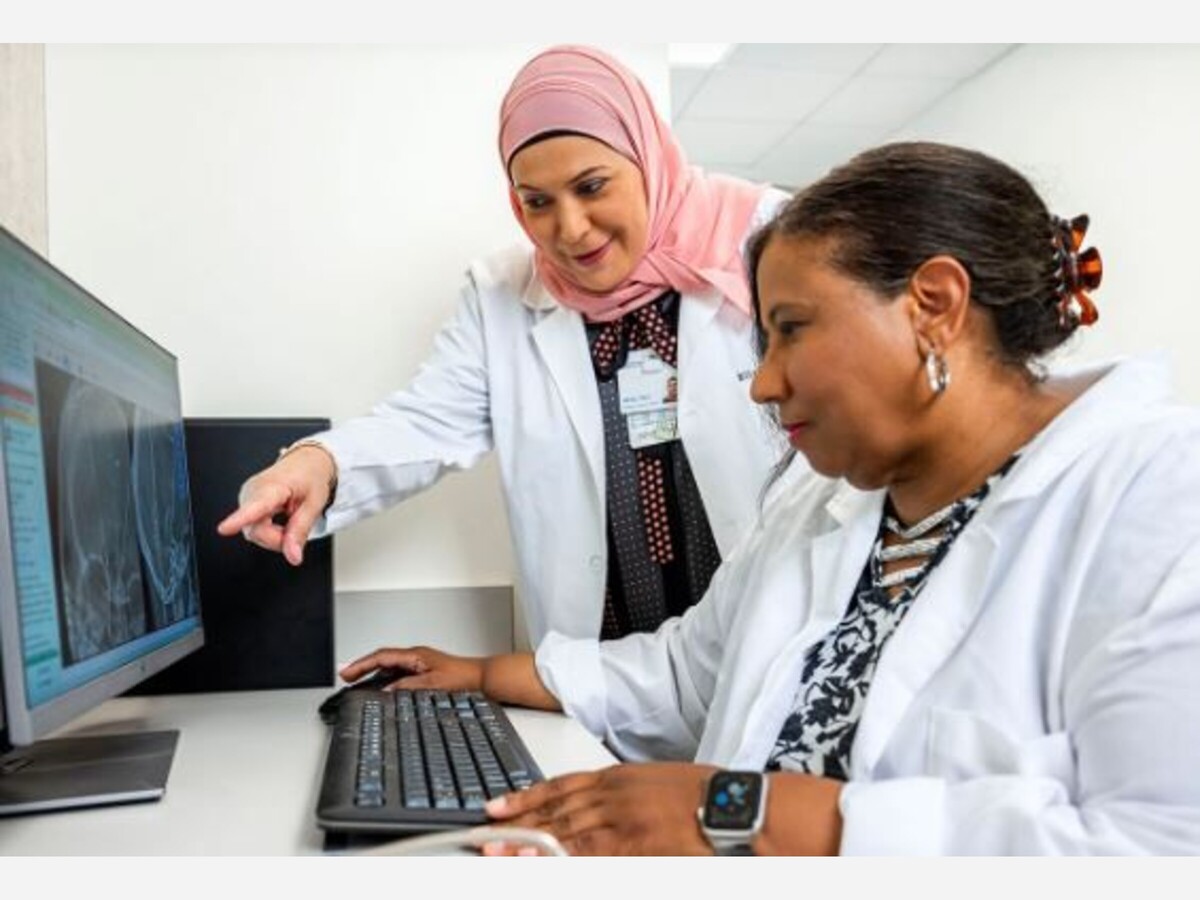
Alabama, Maine and Virginia recently adopted policies that make it easier for physician assistants to practice and serve more patients.
Alabama became the 24th state to adopt the PA Licensure Compact, an agreement between states that authorizes these clinicians to practice across state lines. The compact can help remove administrative barriers for physician assistants, making it easier for them to fill gaps in rural and underserved communities that don’t have enough primary care medical professionals, advocates say.
Alabama has about 1,400 physician assistants. The legislation, sponsored by Republican state Rep. Paul Lee, received unanimous support in both the House and Senate.
Ten states — Alaska, Hawaii, Illinois, Massachusetts, Michigan, Missouri, New Hampshire, New York, Pennsylvania and Rhode Island — have pending legislation that would allow them to join the compact, according to the American Academy of Physician Associates.
States are making it easier for physician assistants to work across state lines
Virginia enacted a law last week to allow physician assistants with three years of full-time clinical experience to practice without a physician practice agreement.
Earlier this month, Maine Democratic Gov. Janet Mills signed legislation that updates state policies to remove the requirement for PAs to consult with and have practice agreements with physicians. The state has about 1,100 PAs.
The American Medical Association, which represents physicians, opposes such laws. The group’s policy stance is that PAs should practice under the direction and supervision of a physician.
Maine joined seven other states to remove the requirement for a supervisory agreement, according to the American Academy of Physician Associates: Iowa, Montana, New Hampshire, North Dakota, South Dakota, Utah and Wyoming,
Stateline reporter Nada Hassanein can be reached at nhassanein@stateline.org.
Stateline is part of States Newsroom, a nonprofit news network supported by grants and a coalition of donors as a 501c(3) public charity. Stateline maintains editorial independence. Contact Editor Scott S. Greenberger for questions: info@stateline.org.
Our stories may be republished online or in print under Creative Commons license CC BY-NC-ND 4.0. We ask that you edit only for style or to shorten, provide proper attribution and link to our website. AP and Getty images may not be republished. Please see our republishing guidelines for use of any other photos and graphics.
Nada Hassanein is a health care reporter for Stateline with a focus on inequities.
Stateline is part of States Newsroom, the nation’s largest state-focused nonprofit news organization.
{IMAGE: From website of American Academy of Physician Associates]


Sunny, with a high of 80 and low of 60 degrees. Sunny during the morning, clear in the afternoon and evening,