

Image
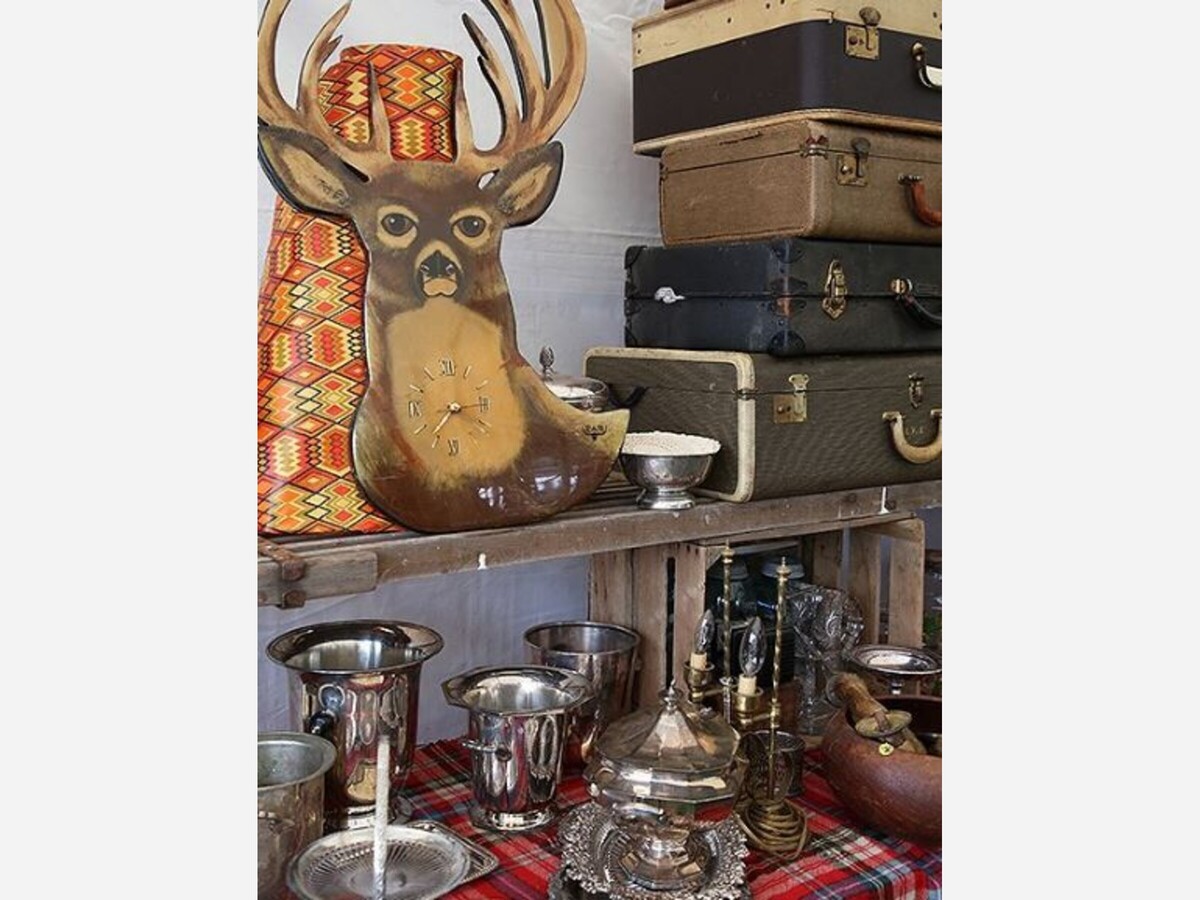
In Massachusetts and across New England, wealth often does not glitter in bank vaults or brokerage statements. More often, it sits quietly in attics, basements, barns, closets, and old china cabinets — tucked away in the form of antiques, collectibles, heirlooms, and curious objects whose stories have long outlived the people who first treasured them.
That is because New Englanders have historically been keepers.
Families here tend to save things. They preserve furniture handed down through generations, carefully store old letters and photographs, keep grandmother’s china “just in case,” and hang on to tools, toys, clocks, artwork, books, and household goods that elsewhere might have been discarded decades ago. In a region that deeply values history, craftsmanship, and family roots, objects are often saved not because they are valuable, but because they matter.
Ironically, that sentiment means many people have no idea what they own.
A dusty oil painting in the hallway may be by a listed regional artist. An old military uniform could be highly sought by collectors. Sterling silver flatware, early advertising signs, antique fishing tackle, rare books, vintage watches, period jewelry, Civil War memorabilia, Shaker furniture, early New England pottery, historic maps, and antique toys can all command surprising prices. Even vintage Christmas ornaments, old baseball cards, quality fountain pens, and mid-century modern furnishings have active markets.
To be sure, tastes change. Massive Victorian furniture that once symbolized elegance can be a hard sell in today’s smaller homes. Formal china sets often struggle for attention in an era of casual dining. Heavy brown furniture, once prized, may bring less than families expect.
But other categories have surged.
Authentic Americana, folk art, early documents, nautical antiques, fine glass, quality jewelry, rare coins, vintage signage, and objects tied to New England’s long industrial and maritime history continue to attract eager buyers. Scarcity, craftsmanship, provenance, and condition still matter — and collectors remain passionate.
The larger point is simple: many households are asset-rich in ways they do not realize.
A weekend spent learning about what is in the attic, garage, or cedar chest can be enlightening. Auction houses, qualified appraisers, reputable antiques dealers, and even community appraisal events can help separate sentimental keepsakes from genuinely valuable treasures.
In a region as old, storied, and tradition-minded as New England, yesterday’s ordinary object may turn out to be tomorrow’s remarkable find.
Sometimes, hidden wealth is not hidden at all.
It is simply waiting on a shelf, under a blanket of dust, for someone to finally ask: What is this worth?
* * * * *
Those inclined to gratify their curiosity will find that the Franklin Historical Museum is conducting a benefit Appraisal event on Saturday, May. 9 from 1-5 at 80 West Central St., with James C. “Jim” Johnston, who has been in the antique and appraisal business for more than six decade.
Appraisals are ‘on-the-spot’ and oral and are $10 for the first appraisal and $25 for up to three items. A special senior rate is also available for those 65+ -- namely $5 per item and three for $10. Cash or check only.



Sunny, with a high of 87 and low of 60 degrees. Sunny during the morning, clear for the afternoon and evening,