69° and Moderate rain at times



Image
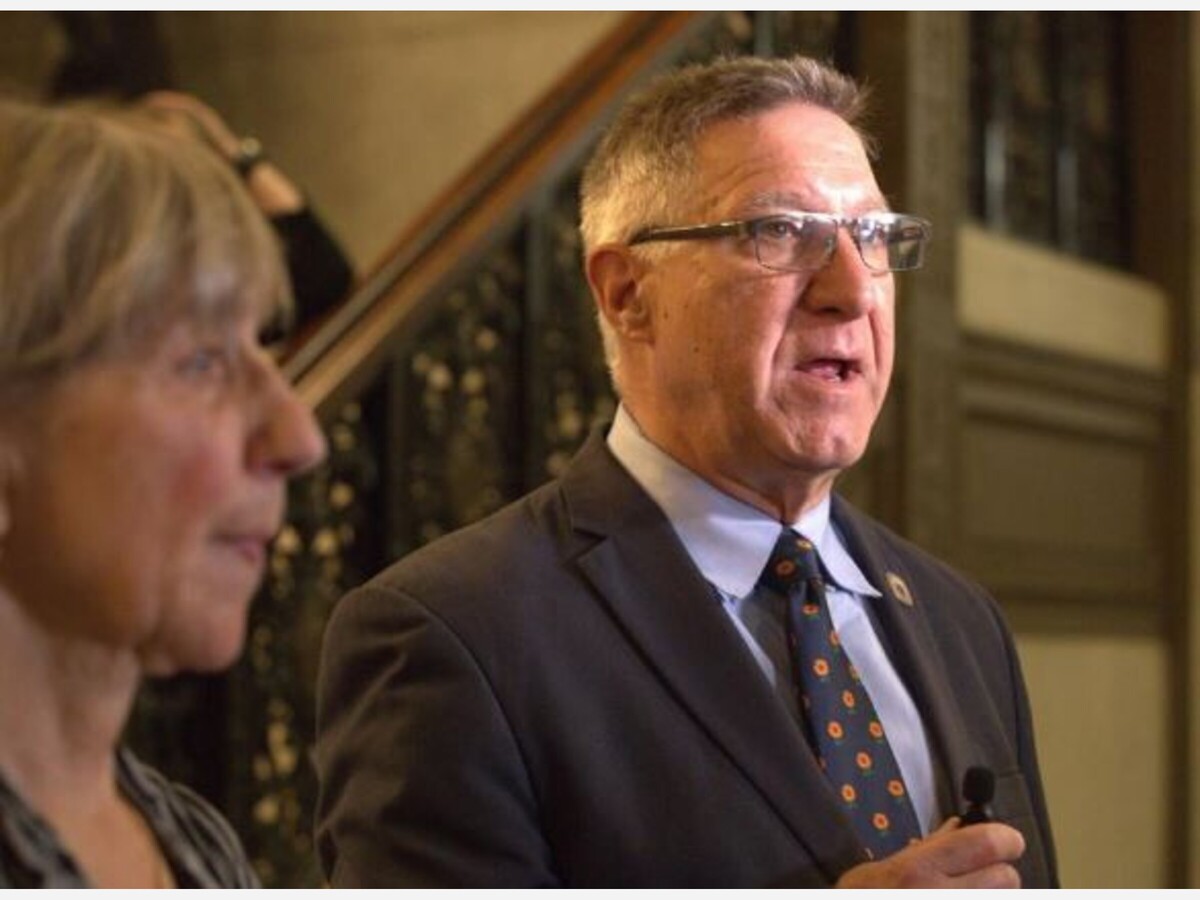
Flanked by Senate President Karen Spilka, Senate Ways and Means Chair Michael Rodrigues speaks with reporters on Wednesday morning ahead of the second day of fiscal year 2027 budget deliberations.
Sam Drysdale | SHNS
Senate Democrats are publicly touting "robust debate" on the fiscal 2027 budget, but senators moved through 574 amendments last Tuesday without much back and forth at all.
During nearly 10 hours of deliberations, senators disposed of amendments at a pace of slightly faster than one per minute, adding about $36 million to the $63.3 billion budget while largely avoiding sustained floor exchanges. Only one amendment spurred extended discussion beyond a sponsoring senators' brief supportive remarks. Senators pointed to behind-the-scenes negotiations and defended the process as collaborative.
Over 330 amendments were rejected or withdrawn, compared to 239 adopted, though almost no disagreement about any amendment was heard from the floor on Tuesday.
To manage the more than 1,000 budget amendments, Senate leadership sorted proposals into sweeping "yes" and "no" bundles — consolidated amendment packages voted on in batches, sometimes containing hundreds of amendments. Senators can remove amendments from bundles if they wish to pursue them individually.
Even amendments pulled for separate consideration are arriving with outcomes already largely understood.
During the first day of budget deliberations, senators delivered prepared speeches supporting or explaining amendments, sometimes followed by a brief supportive statement or question from another senator. Rarely did multiple senators engage one another directly or publicly disagree over the substance of proposals.
The amendment that prompted extended discussion among more than two senators was Amendment 492, filed by Sen. Cindy Friedman, to study the loss of GLP-1 drug coverage for obesity treatment.
Friedman said patients had raised concerns as insurers, including publicly funded plans, increasingly restricted access to the medications amid rising costs. Senate Minority Leader Bruce Tarr asked Friedman about whether the study would examine on-label uses of the drugs, while Sen. Lydia Edwards joined the discussion to voice support for the amendment. Tarr also expressed support.
The amendment was adopted on a voice vote.
Senate leaders on Wednesday characterized Tuesday's proceedings as full of debate.
"We had a very successful day yesterday, a lot of debate, a lot of floor questions and debate, many hours in the Senate chamber debating and adding some terrific items," Senate President Karen Spilka said during a press availability ahead of their second day of deliberations. "I'm looking forward to more robust discussion on this debate."
A Senate newsletter similarly described "a full day of robust debate," highlighting amendments "to fund black history, main street revival, meals for homebound elders and trauma support for young moms" among the 239 amendments "debated and passed."
Asked by the News Service about the reality that only one amendment generated back-and-forth discussion among multiple senators, Spilka defended the process.
"We allow as much debate as members want. We don't cut off debate, so the senators have the debate," she said. "I believe that there is a lot of discussion and will be more today."
Answering another News Service question about the metrics through which he creates the large bundles of amendments, Senate Ways and Means Chairman Michael Rodrigues pointed to extensive negotiations that occur behind the scenes before amendments ever reach the floor.
"The metric I use is conversations with every member of the Senate," Rodrigues said. "We are very collaborative. I've met with every single member individually, probably at least four times now, as we've developed this budget."
Rodrigues said leadership works to identify each senator's priorities while recognizing "we can't do it all."
"We make it equitable by listening to everyone, whether you are a brand new freshman senator, the newest one, or the old kid on the block," he said. "You get the same consideration for all your amendments."
Rodrigues also emphasized the efficiency of the process.
"We disposed of 574 amendments through debate yesterday," he said Wednesday. "We added $36 million to the bottom line. We look forward to another smooth process today."
The process reflects one that is also common in the House where floor votes often just deliver formal approval of amendments that are drafted based on debates and conversations that happen away from public view.
One moment Tuesday offered a glimpse into how predetermined some amendment outcomes appeared to be.
Sen. Cindy Creem, who was presiding over the session, could be overheard on the livestream discussing Amendment 302, filed by Sen. Rebecca Rausch of Needham, after a rostrum microphone remained on during a conversation with a member of Spilka's staff and the Senate clerk.
The staff member said leadership planned to hold the amendment. "Even though it's a no?" Creem asked.
When Rausch later addressed the amendment — which would expand the jurisdiction of the Massachusetts Ballot Law Commission to allow challenges to presidential primary candidates — she paired it with another proposal limiting how much candidates could contribute to their own campaigns.
But rather than pressing for a vote for what she said she believes are "necessary changes", Rausch said, "Today is not the day to make such significant shifts," and expressed hope the ideas could be incorporated into future elections legislation before asking unanimous consent to withdraw both amendments.
[Ella Adams and Katie Castellani contributed to reporting]
Sam Drysdale is a reporter for State House News Service and State Affairs Pro Massachusetts.

Patchy rain nearby, with a high of 73 and low of 60 degrees. Patchy rain nearby during the morning, light drizzle in the afternoon and evening, patchy rain nearby overnight.