53° and Overcast
Image
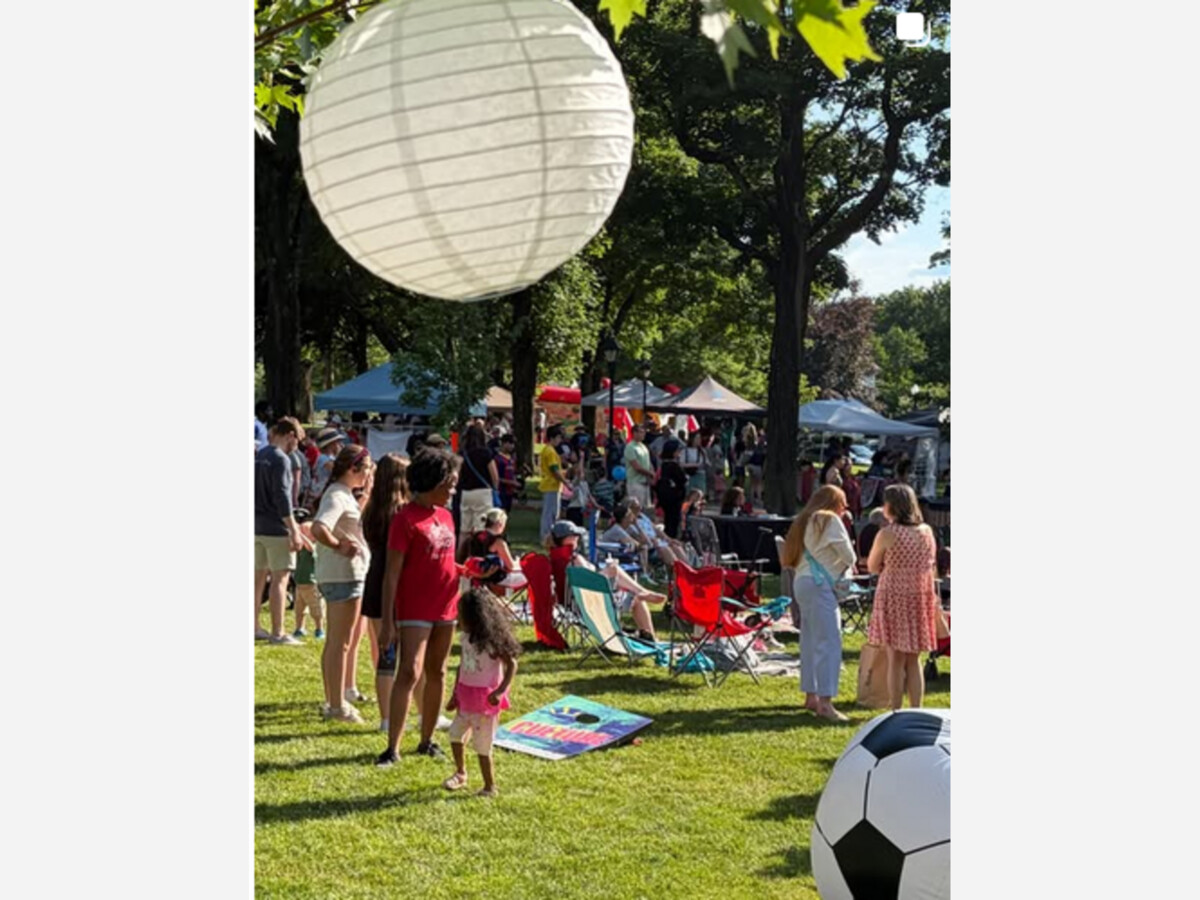



Franklin pulled off two successful and trouble-free World Cup watch parties organized in conjunction with state tourism officials, Cory Shea's Department of Art, Culture, and the Creative Economy, and municipal government and public safety officials.
Statewide, similar efforts were happening on a much larger scale, and the Governor has provided a recap.
Thanks to the coordinated
efforts of thousands of public safety professionals, transportation
workers, emergency managers, public health experts and state,
local, federal and private-sector partners, Massachusetts delivered a
safe, secure, and welcoming tournament experience for residents and
visitors alike.
Following more than two years of planning and collaboration, Match Ready Massachusetts brought
together agencies across state government to execute one of the largest
coordinated operations in the state history.
Massachusetts safely hosted seven FIFA World Cup matches, including a
quarterfinal match, hosted Team France's base camp, supported FIFA Fan
Festival at Boston City Hall Plaza and dozens of community watch
parties across the state, and showcased Massachusetts as a global
destination for tourism, sports and innovation.
"The World Cup
gave Massachusetts an incredible opportunity to welcome visitors from
around the globe and show off everything our state has to offer," said Governor Maura Healey.
"From public safety and transportation to public health and emergency
management, thousands of people worked around the clock to make sure
every match was safe, every visitor felt welcome and every community
could share in this historic moment. Their teamwork and dedication made
this tournament an extraordinary success.
“In particular, the
MBTA had a historic performance – safely and efficiently transporting
tens of thousands of fans each day to the brand-new Foxboro station, as
well as to points all around the region,” continued Governor Healey.
“This is a testament to the turnaround at the T under our
administration and the leadership of General Manager Eng. We hope
residents and visitors alike continue to utilize our fare
discounts throughout the rest of the summer and enjoy the major
improvements we have made across the system."
"Hosting seven
World Cup matches was an incredible opportunity to welcome visitors from
around the world and show off everything Massachusetts has to offer,"
said Lieutenant Governor Kim Driscoll. "The teamwork,
planning and coordination that went into this tournament were truly
extraordinary, and the partnerships built through this effort will
strengthen our ability to host major events for years to come."
Economic Impact and Tourism
The
2026 FIFA World Cup generated economic activity across Massachusetts,
extending well beyond Boston Stadium through FIFA Fan Festival,
community watch parties and regional events. These celebrations brought
residents and visitors together, supported local
businesses, showcased communities across the state and allowed more
people to participate in the excitement of the tournament. State
agencies worked closely with municipalities, tourism partners and event
organizers to maximize the tournament's statewide economic and tourism
benefits while ensuring events were safe and welcoming.
By the Numbers:
Public Safety
Public
safety operations for the 2026 FIFA World Cup represented one of the
largest coordinated efforts ever undertaken in Massachusetts. A total of
14 specialized planning groups brought together local, state, federal
and private-sector partners to coordinate communications, tactical
operations, intelligence, transportation security, emergency management,
health and medical services, public information, Fan Festival
operations, team movements, and Boston Stadium security. Together, these
partners delivered safe and seamless operations throughout the
tournament.
“The success of the 2026 FIFA World Cup illustrates
the power of working together in support of a global event unlike
anything Massachusetts has seen before,” said Public Safety and Security Secretary Gina Kwon.
“Leaders from across local, state, and federal government planned
complex match day operations for nearly two years with one shared
mission of keeping people safe. Through these extraordinary
partnerships, Massachusetts has raised the standard of excellence.”
By the Numbers:
Transportation
MassDOT,
the MBTA and regional transportation providers successfully supported
one of the largest travel operations in Massachusetts history, helping
hundreds of thousands of residents and visitors travel safely and
efficiently throughout the tournament. Through coordinated traffic
management, enhanced incident response, real-time traveler information
and expanded transit service, transportation partners minimized
disruptions while providing reliable access to Boston Stadium.
Ahead
of the World Cup, the MBTA completed major accessibility and capacity
upgrades at Foxboro Station, including new fully accessible
level-boarding platforms that improved passenger flow and allowed riders
to board and exit trains more efficiently.
Throughout
the tournament, the MBTA operated 14 dedicated Commuter Rail express
trains for every match, complemented by additional station personnel,
extended subway and bus service, and targeted schedule adjustments
across the transit network to accommodate both World Cup visitors and
regular riders. These investments and operational enhancements helped
deliver unprecedented rail service to Boston Stadium.
“Since day
one, the Healey-Driscoll Administration has been focused on rebuilding
and strengthening our transportation system, and that commitment has
delivered results. Those investments have made our system stronger and
have allowed us to better serve our communities and the general public,”
said Interim Secretary of Massachusetts & MBTA General Manager Phillip Eng. “People
across the state continue to see and feel that impact, and that is what
has laid the foundation for the success we have had with the World
Cup. Thanks to the outstanding leadership of the Healey-Driscoll
Administration, the support of our state legislature, coordination
between MassDOT, the MBTA, our municipal partners, public safety
agencies, and transportation stakeholders across the region, we
successfully kept people moving while reducing traffic on our roadways.
Through proactive planning, clear and consistent public messaging, and
strong partnerships, we encouraged travelers to use public
transportation and make informed travel decisions. This success reflects
what can be achieved when agencies work together with a shared
commitment to serving the public. On behalf of our teams, I want to
thank every employee and partner whose dedication and teamwork helped
deliver a safe, reliable, and efficient transportation network during
this extraordinary period.”
Governor Healey also launched a series of summer fare promotions and discounts on
the Commuter Rail lowering costs for regular and visiting riders ahead
of the tournament. This included Free Fridays, a 50 percent discount on
monthly passes and expanded weekend travel for monthly pass holders.
By the Numbers:
Throughout June 13-July 9 (when Boston hosted World Cup Matches), the MBTA in partnership with Keolis Commuter Services:
Public Health
The
Massachusetts Department of Public Health (DPH) worked alongside local
boards of health, hospitals, healthcare providers and emergency medical
services to help ensure a safe and healthy tournament. Through enhanced
disease surveillance, healthcare coordination, heat preparedness and
multilingual public outreach, DPH supported public health operations
while helping residents and visitors stay informed throughout the
event.
"As the final whistle blew on the last World Cup match in
Massachusetts, we had more to celebrate than six weeks of incredible
soccer," said Public Health Commissioner Robbie Goldstein, MD, PhD.
"We welcomed the world, showcased the very best of our Commonwealth and
did it safely and seamlessly because of more than a year of planning
and remarkable collaboration. I am deeply grateful to our Office of
Preparedness and Emergency Management, our state and local partners,
healthcare providers, first responders, and community organizations
whose dedication and determination made this success possible. Public
health works best when we come together, and this World Cup showed
exactly what Massachusetts can accomplish through preparation,
partnership and a shared commitment to keeping people healthy and
safe."
By the Numbers:
Public Information
A coordinated communications campaign,Match Ready Massachusetts, helped
keep residents, visitors and partners informed before and throughout
the tournament with timely, multilingual public safety and public health
information.
By the Numbers
While
the tournament has concluded, the partnerships, operational framework
and lessons learned through Match Ready Massachusetts will continue
strengthening the Commonwealth's preparedness for future large-scale
events and emergencies.

Overcast, with a high of 61 and low of 47 degrees. Patchy rain nearby during the morning, overcast in the afternoon, clear during the evening, overcast overnight.