52° and Light rain



Image
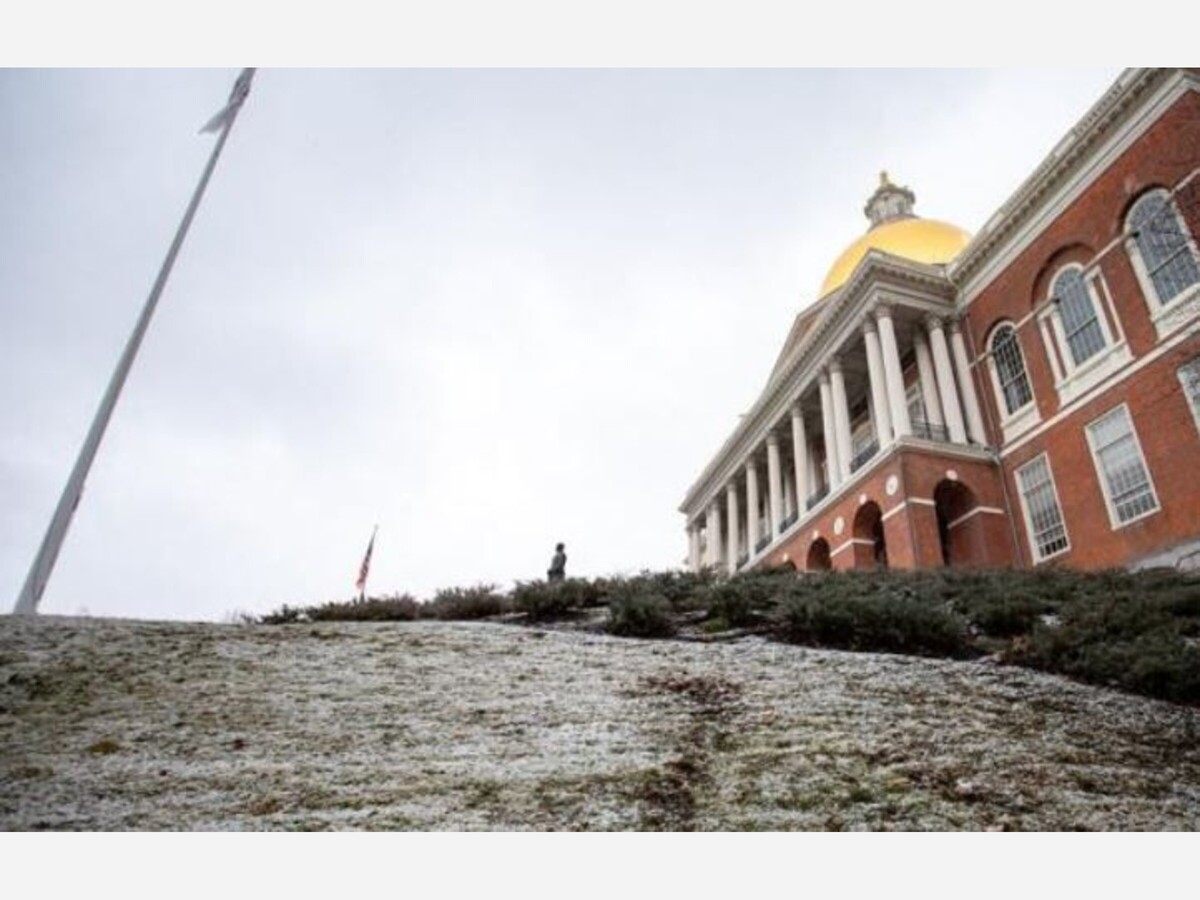
Colin Young| SHNS
As representatives and senators streamed out of their chambers late Friday night at the conclusion of the two-year term's regularly-scheduled formal sessions, legislative leaders celebrated that their ideas to address some of the most pressing issues facing Bay Staters "have either been signed into law, are on the Governor's desk, or are in final deliberations."
At the July 31 checkpoint of the second year of previous sessions, leaving important matters in conference committee deliberations would have signaled a failure. But this term's new rules allow legislative leaders to reframe it as an accomplishment, since lawmakers started talks in time to preserve their ability to take roll call votes on compromises they produce by the final day of the term, Tuesday, Jan. 5, 2027.
"We are committed to continuing our work until January on issues that make our state stronger and make life more affordable for families. Our residents deserve nothing less," Senate President Karen Spilka and House Speaker Ron Mariano said in a joint emailed statement late Friday.
The Legislature can, as always, continue to pass bills that are able to clear the House and Senate without objection in the informal sessions that will generally take place twice a week through December. But the new rules also allow Spilka and Mariano to call reps and senators back for formal sessions with recorded roll calls to take up reports of conference committees formed before the calendar flipped to August.
That leaves an even dozen potential compromises that could emerge and pull lawmakers back to Beacon Hill during or even after reelection season. In some cases, as with the group ironing out the House and Senate approaches to energy affordability, negotiators are mindful that there could be political advantages to striking a deal before November. The political benefits of passing an economic development and jobs bill before the elections could play into the timing of that accord too.
There are other issues that top lawmakers might prefer to keep bottled up in conference talks until after the results of November's legislative races and ballot questions are known. The bill that deals with access to legislative records in a way vastly different from the aims of this fall's Question 1 to expand the traditional public records law to the governor and Legislature highlights that category.
It also remains to be seen how Mariano and Spilka will exercise their newly granted scheduling powers. Will they call for a formal once one conference committee reports a deal? Or will the branches wait until they have a handful of accords that are ready and then vote to accept and enact them together in the same formal session?
Mariano last week mentioned his scorecard that he uses to track the major legislative issues still in play. While Beacon Hill ponders the possibilities, here is the latest look at where this session's conference committees stand:
Colin Young is the deputy editor for State House News Service and State Affairs Pro Massachusetts.



Overcast, with a high of 71 and low of 53 degrees. Fog during the morning, sunny in the afternoon, overcast during the evening, light drizzle overnight.