59° and Patchy rain nearby



Image
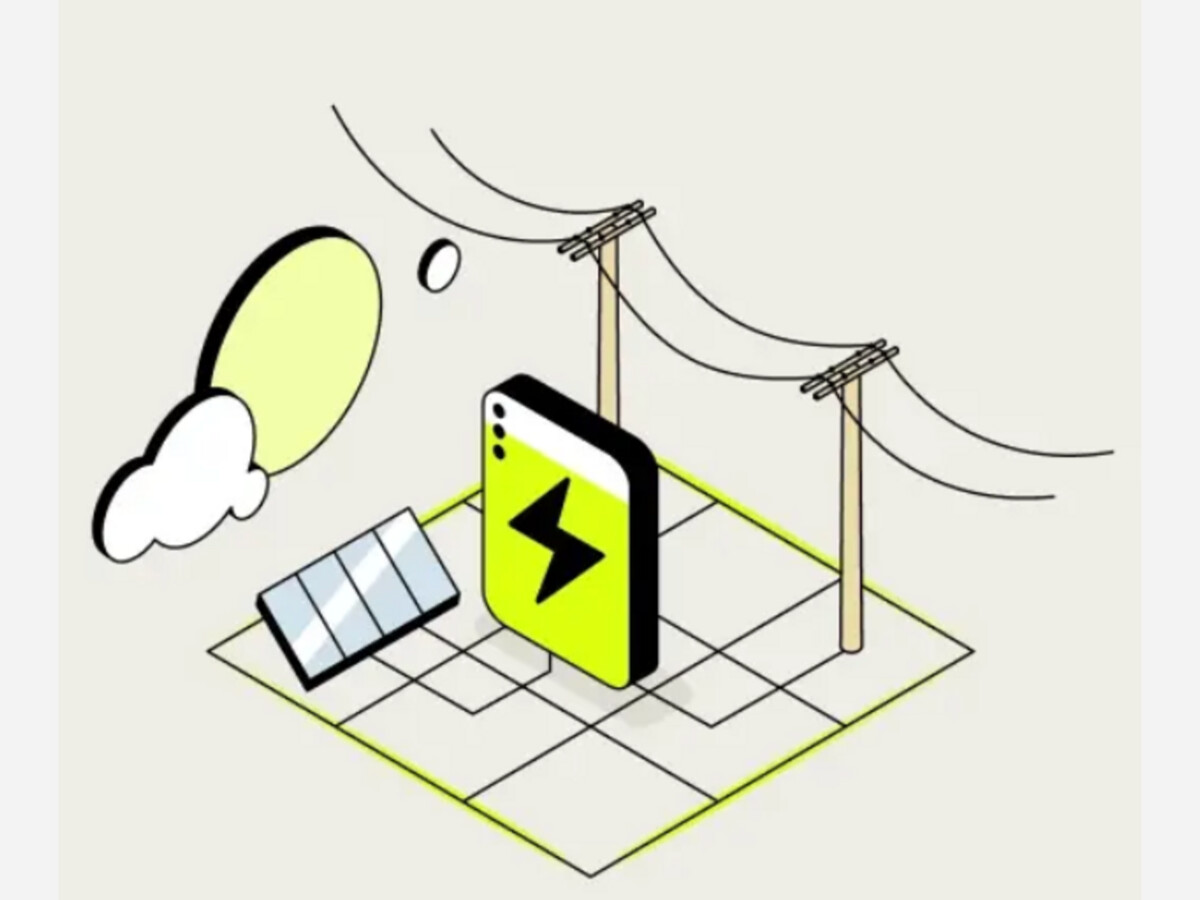
REPRINTED WITH PERMISSION FROM CANARY MEDIA (image courtesy of HavenEnergy.com)
21 July 2026
Haven Energy
is the newest company offering home battery service in Massachusetts
for a low monthly payment, a model supporters say could accelerate
adoption of residential storage.
Starting in four counties in the southeastern part of the state, the company will provide customers with a 15-kilowatt-hour home battery, installed and ready to go, starting at $29 a month, with a 10-year
contract. These terms make obtaining a battery significantly more
affordable in a market where a home system can easily top $15,000.
“Think of Haven as a low-cost battery backup subscription,” said co-founder and CEO Vinnie Campo.
Haven joins Tesla, which last month launched its own
lower-cost monthly payment offering in both Massachusetts and
Connecticut, a discounted version of its existing battery-leasing
program. The Tesla option saves Massachusetts customers about $30 a month, which could shave nearly a third off the price of a standard monthly lease.
How does the pricing model work? Massachusetts
utilities operate a demand-response program called ConnectedSolutions,
which pays battery owners to discharge energy to the grid during times
of peak demand, like those hot summer days when everyone turns on their
air conditioners at once. With lots of batteries working in concert,
these actions can reduce the need for the utilities to buy pricey, dirty
electricity from peaker power plants. In the long term, the strategy
can help delay costly grid upgrades paid for by consumers.
A typical battery could earn $1,375
per year participating in ConnectedSolutions. A new expansion of the
program, ConnectedSolutions+, pays even more to battery owners in
certain geographical areas where the grid is particularly congested,
making the availability of local stored power even more valuable.
Haven and Tesla both retain ownership of the batteries
in their programs, and thus earn these and any other available
incentives. This revenue stream allows the companies to keep the monthly
price low for customers. The model has the added advantage of making it
easier for homeowners to get started with battery storage, eliminating
the complication of sorting out and applying for incentives, Campo said.
“We take a complicated stack
of rebates and incentives, and dramatically simplify that so it’s an
easy-to-understand product,” he said.
Customers with solar panels will be able to save even
more by charging up their batteries during sunny but low-demand times of
day to use in the darker hours, rather than drawing from the grid.
When ConnectedSolutions calls on participating batteries — generally 30 to 60 times a year, always in the summer — Haven will leave at least 20%
of the stored power available for its customers. If a major storm that
could trigger an outage seems likely, the company puts its batteries in “safety mode,” preventing them from discharging to the grid.
“We are always prioritizing backup power for the customer,” Campo said.
The monthly payment model is not a completely new approach to driving battery adoption. Haven debuted in 2023, in California (a state that also has a robust incentive program for residential batteries), and evolved its business model in 2025
when the One Big Beautiful Bill Act changed the way the federal tax
credits work. Vermont’s major utility, Green Mountain Power, has offered
leases on two-battery systems for $55 a month since 2017. Today, some 4,600 households are enrolled, and the program continues to grow.
Battery boosters hope the trend continues. As of earlier this year, 26 states
and Puerto Rico had programs paying residential battery owners to share
their power with the grid, and more will join the list soon, said Todd
Olinsky-Paul, senior project director for the nonprofit Clean Energy
Group. These initiatives could pave the way for more monthly payment
models that will make getting a battery as easy as signing up for any
other home service.
“It’s like subscribing to cable or garbage pickup,” Olinsky-Paul said. “I think it’s going to be quite popular.”
Sarah Shemkus
is a reporter at Canary Media who is based in Gloucester, Massachusetts, and covers New England.


Patchy rain nearby, with a high of 68 and low of 56 degrees. Don't forget your umbrella! Light drizzle during the morning, clear during the afternoon and evening, patchy rain nearby overnight.