52° and Cloudy



Image
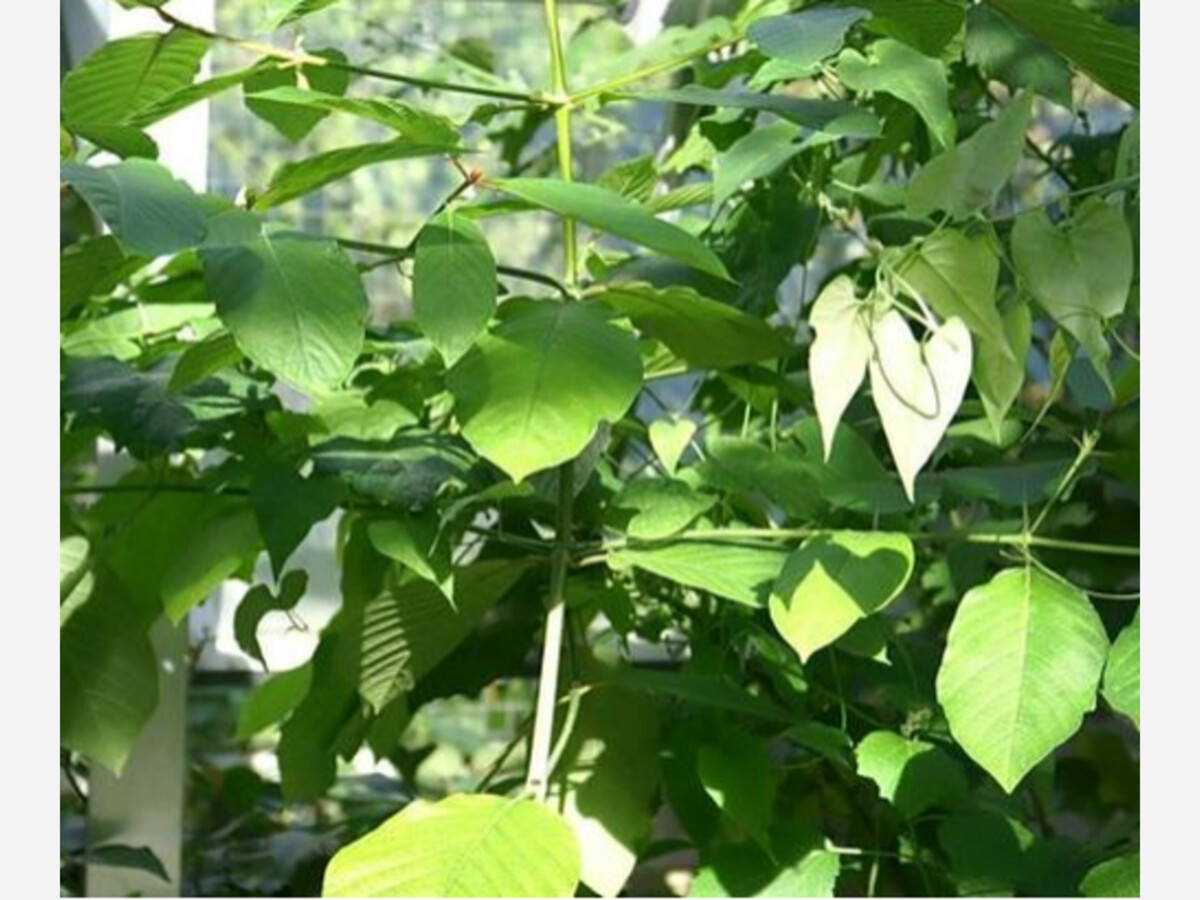
Kratom, Mitragyna speciosa, is a leafy plant native to Southeast Asia. [David J. Stang/Wikimedia Commons]
Ella Adams | SHNS + Franklin Observer reporting
Regulatory approaches vary across the country, and last week Gov. Maura Healey took a swing at restricting the sale of kratom, a leafy tropical tree native to Southeast Asia that the U.S. Food and Drug Administration has warned consumers not to use due to dangerous effects.
That was big news for most of Massachusetts, but not so much in Franklin, where the Board of Health and Health Department implemented a prohibition on the sale of kratom products that became effective in May of this year under Article 248.
Kratom is often used "to self-treat conditions such as pain, coughing, diarrhea, anxiety and depression, opioid use disorder, and opioid withdrawal," according to the Food and Drug Administration.
It's not lawfully marketed in the U.S. as a drug product, dietary supplement or food additive in conventional food, per the FDA, which says it "has warned consumers not to use kratom because of the risk of serious adverse events, including liver toxicity, seizures, and substance use disorder."
But the substance is "widely sold" in convenience stores, smoke shops and gas stations in the form of tablets, gummies and capsules, the Healey administration said, calling the products "largely unregulated" and noting they can "vary significantly in their potency and ingredients, making it difficult for consumers to know what they are purchasing or the potential health risks."
State Public Health Commissioner Robbie Goldstein issued an emergency order temporarily placing all forms of kratom into Schedule I under state law. Schedule I drugs are those with no currently accepted medical use and a high potential for abuse, according to the U.S. Drug Enforcement Administration. Examples include heroin, LSD, ecstasy and marijuana.
The statewide order will take effect following a 14-day notice period and remain in effect for up to one year, the Healey administration said, giving local boards of health and other municipal officials "additional authority to take enforcement action against retailers selling kratom products."
DPH will hold an informational webinar for local public health officials to support the order's implementation, and provide information and guidance to local boards of health, healthcare providers and substance use treatment programs about the new restrictions, health risks associated with kratom, and available treatment and recovery services, the administration said.
Ella Adams is a reporter for the State House News Service and State Affairs Massachusetts.


Overcast, with a high of 62 and low of 46 degrees. Overcast during the morning, sunny in the afternoon, clear in the evening, overcast overnight.